
CD Sales Experience a Massive 45 Percent Surge in 2026

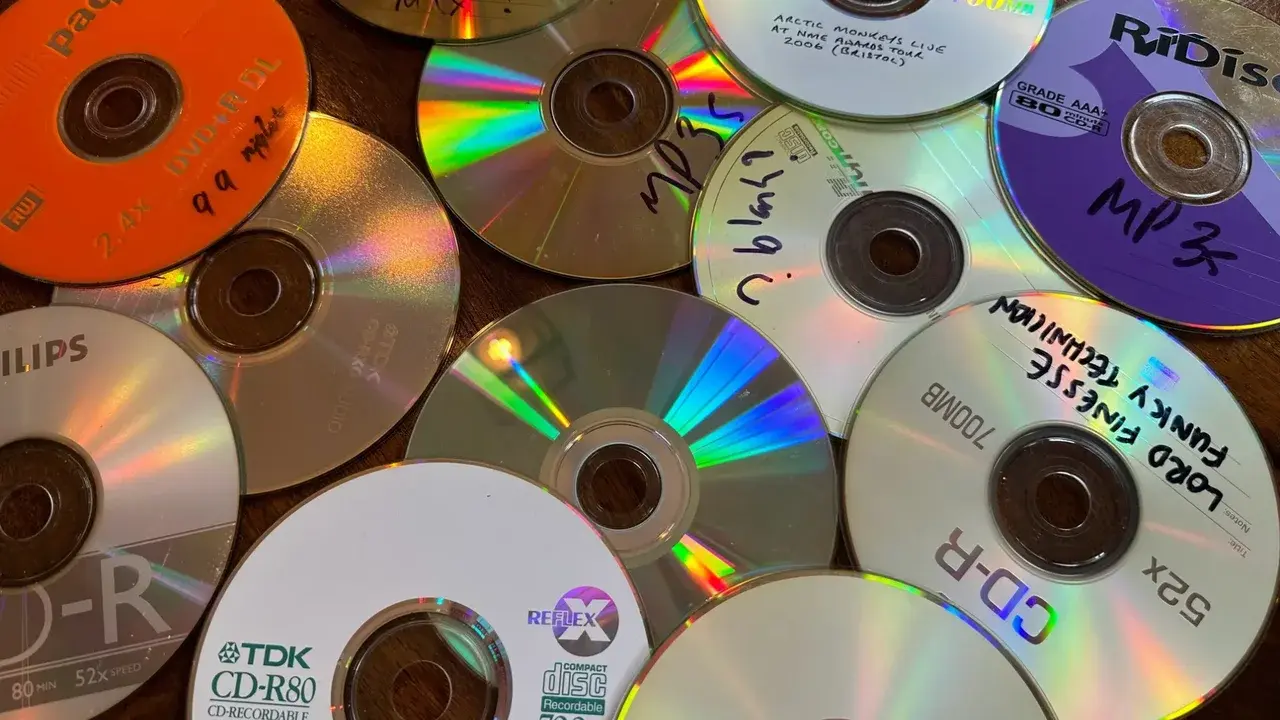
In a surprising shift for the music industry, CD sales in the United States recorded a robust 45.7 percent increase during the first half of 2026. Data from the industry shows that 17.5 million physical discs were sold between January and June, a significant leap from the 12 million units recorded during the same period last year. While digital streaming services continue to dominate the market, this resurgence marks a notable recovery following a 22 percent decline in 2025. This growth highlights a evolving consumer behavior where physical media is increasingly valued as a tangible asset rather than merely a functional tool for music playback.
- Total revenue generated from CD sales climbed by 58.6 percent to reach 171.1 million dollars during the first half of the year.
- K-Pop album releases significantly bolstered physical sales figures through exclusive designs and collectible packaging.
- Physical music formats including vinyl, cassette tapes, and DVD singles saw a combined sales increase exceeding 73 percent.
- Streaming services remain the industry leader, contributing to 82 percent of the total recorded music revenue in the United States.

K-Pop Influence Drives Market Growth
A substantial portion of this growth can be attributed to the popularity of K-Pop artists, with groups like BTS driving high demand for collectible physical releases. These albums often feature elaborate cover art and exclusive merchandise, encouraging fans to purchase multiple versions of the same project. Even when excluding K-Pop specific data from the total, the broader market for CDs still experienced a healthy 6.7 percent growth, indicating that the trend extends beyond a single genre or fan base.
Physical Media Functions as Collectible Art
The role of the physical album has shifted significantly, particularly among younger demographics like Gen Z and Millennials. Market research reveals that nearly half of the consumers purchasing these items do not actually own a functioning CD player. For this audience, the physical disc serves as a permanent memento and a decorative item that showcases their support for an artist. The aesthetic appeal of the packaging has become a primary driver for purchase decisions, effectively turning the medium into a collectible commodity.
Vinyl and Other Formats Show Strength
This positive momentum is not restricted to CDs alone. The vinyl market also maintained its upward trajectory, with 26.5 million units sold in the U.S. during the first half of the year, representing a 21 percent increase. Furthermore, the category encompassing niche physical formats—such as DVD singles, cassettes, and high-fidelity SACDs—saw a dramatic rise of over 73 percent. This diverse appetite for physical media is further supported by a renewed interest in legacy hardware, including the revival of vintage iPod models on the secondary market.
Streaming Services Maintain Industry Dominance
Despite the remarkable resurgence in physical media, digital platforms remain the backbone of the music economy. Streaming revenue grew by 4.7 percent to reach 4.9 billion dollars in the first half of 2026, accounting for the vast majority of total industry income. Paid subscriptions rose by 6.4 percent, while ad-supported tiers saw a 3.7 percent increase. As the U.S. recorded music market grew by 6.9 percent overall to hit 6 billion dollars, it remains clear that while physical sales are enjoying a nostalgic and collectible renaissance, the future of music distribution remains firmly rooted in digital convenience.
We are curious to hear your thoughts on this shift in music consumption habits. Do you believe the resurgence of physical media represents a permanent change in how we collect music, or is this merely a temporary trend driven by nostalgia? Share your opinions in the comments section below.
Your comment has been submitted,
it will be published after approval.