
What Is a B-Segment Vehicle? Top Models to Consider

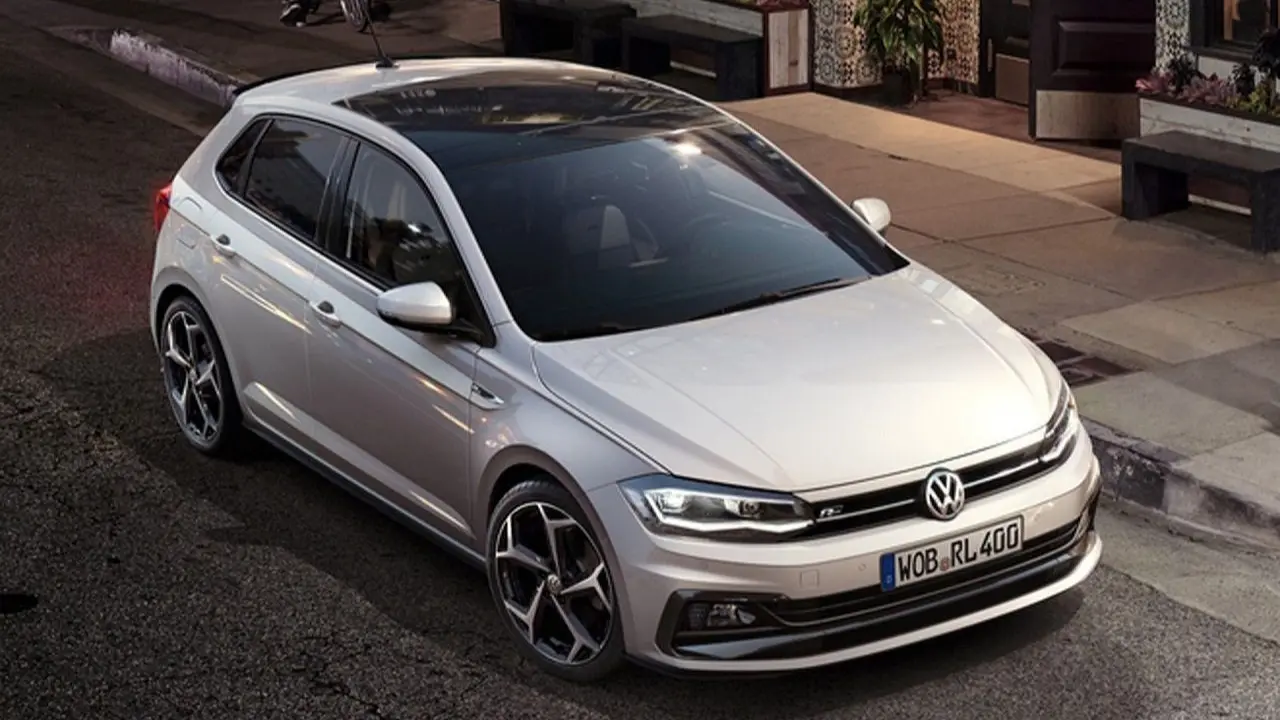
In the automotive market, B-segment vehicles represent a critical category of compact cars that sit between the entry-level A-segment and the larger, family-oriented C-segment. Often referred to as “superminis,” these automobiles are specifically engineered to provide a balance between urban maneuverability, fuel efficiency, and practical interior space. They have become the preferred choice for drivers navigating dense city traffic, offering ease of parking and nimble handling without sacrificing essential comfort. From hatchback designs to small SUVs, the B-segment category has evolved significantly, incorporating advanced safety features and modern technology to meet the diverse needs of today’s commuters.
- B-segment vehicles are positioned as compact “supermini” cars that bridge the gap between small city cars and larger family vehicles.
- These automobiles prioritize fuel economy and urban agility, making them ideal for high-density metropolitan living.
- The segment encompasses various body styles including hatchbacks, sedans, and small SUVs to suit different consumer preferences.
- Modern B-segment models now incorporate sophisticated safety technology and driver-assistance systems as standard features.
Defining What a B-Segment Vehicle Represents
The classification of a vehicle as a B-segment model is determined by more than just exterior dimensions. Manufacturers consider internal volume, mechanical performance, engine capacity, and overall market positioning when categorizing these cars. While they are smaller than C-segment vehicles, they offer more substantial room and utility compared to A-segment city cars. This unique positioning makes them highly versatile for both daily commuting and occasional long-distance travel, as they offer enough cabin space to accommodate passengers comfortably.
Understanding the Key Features of Compact Cars
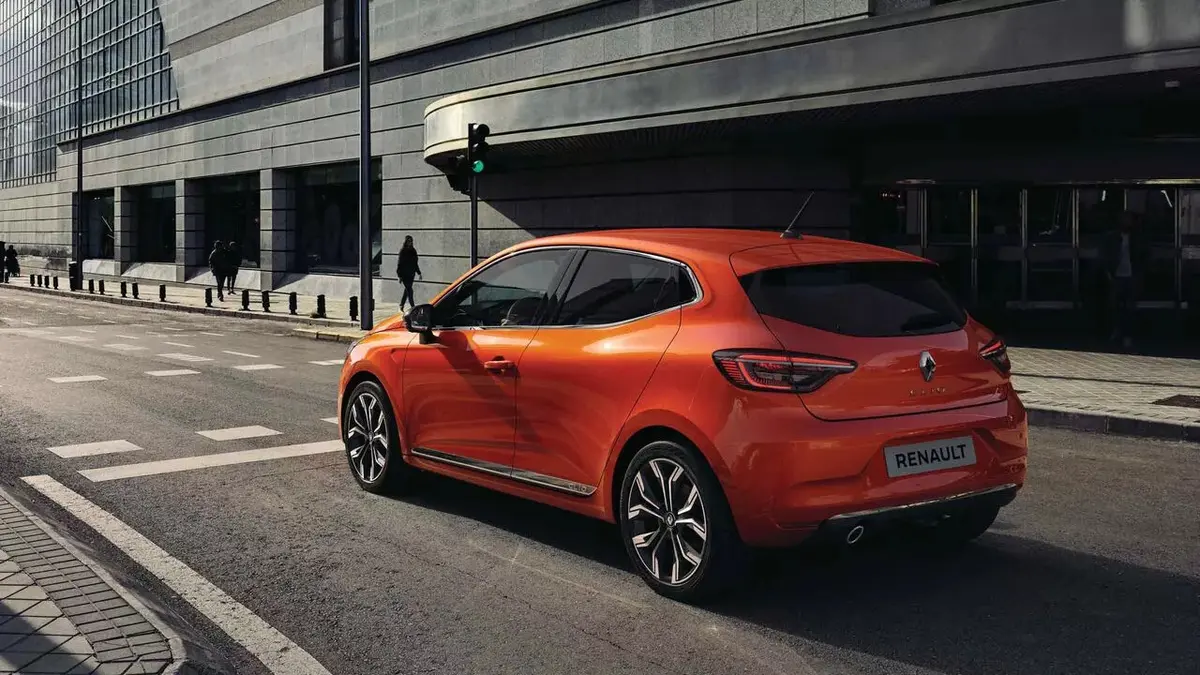
B-segment automobiles are characterized by their compact footprints, which allow them to navigate tight urban streets and narrow parking spots with ease. Beyond their physical dimensions, these vehicles are noted for their high fuel efficiency, which is a major draw for budget-conscious drivers. Despite their smaller size, they are not “stripped-down” models; most current offerings come equipped with modern infotainment systems, climate control, and comprehensive safety suites, ensuring that drivers do not have to compromise on quality or security.
Selecting the Best Models in the Market
The current market offers a wide array of choices for those interested in this segment. Popular models that consistently perform well in terms of reliability and resale value include the Volkswagen Polo, Renault Clio, Peugeot 208, and Opel Corsa. Other notable contenders, such as the Toyota Yaris, Hyundai i20, and Ford Fiesta, continue to dominate sales figures globally. For those looking for alternative body styles, the Dacia Sandero and various small SUV iterations within the segment provide further utility, proving that small cars can offer substantial performance and practicality.
Comparing Segments in the Automotive Industry
When comparing the B-segment to A and C categories, the primary distinctions lie in dimensions and intended usage. A-segment cars are strictly optimized for the smallest possible footprint in urban environments, whereas C-segment vehicles are designed to be primary family cars with larger trunks and wider cabins. B-segment vehicles occupy the middle ground, providing a refined compromise that favors city efficiency while maintaining enough versatility to function as a reliable primary vehicle for individuals or small families.
Have you recently driven a B-segment car, or are you considering purchasing one for your daily commute? We would love to hear your experiences or questions regarding the pros and cons of these compact models in the comments section below.
Your comment has been submitted,
it will be published after approval.