
Xiaomi 18 Fold Becomes World’s First Phone With LPDDR6 Memory

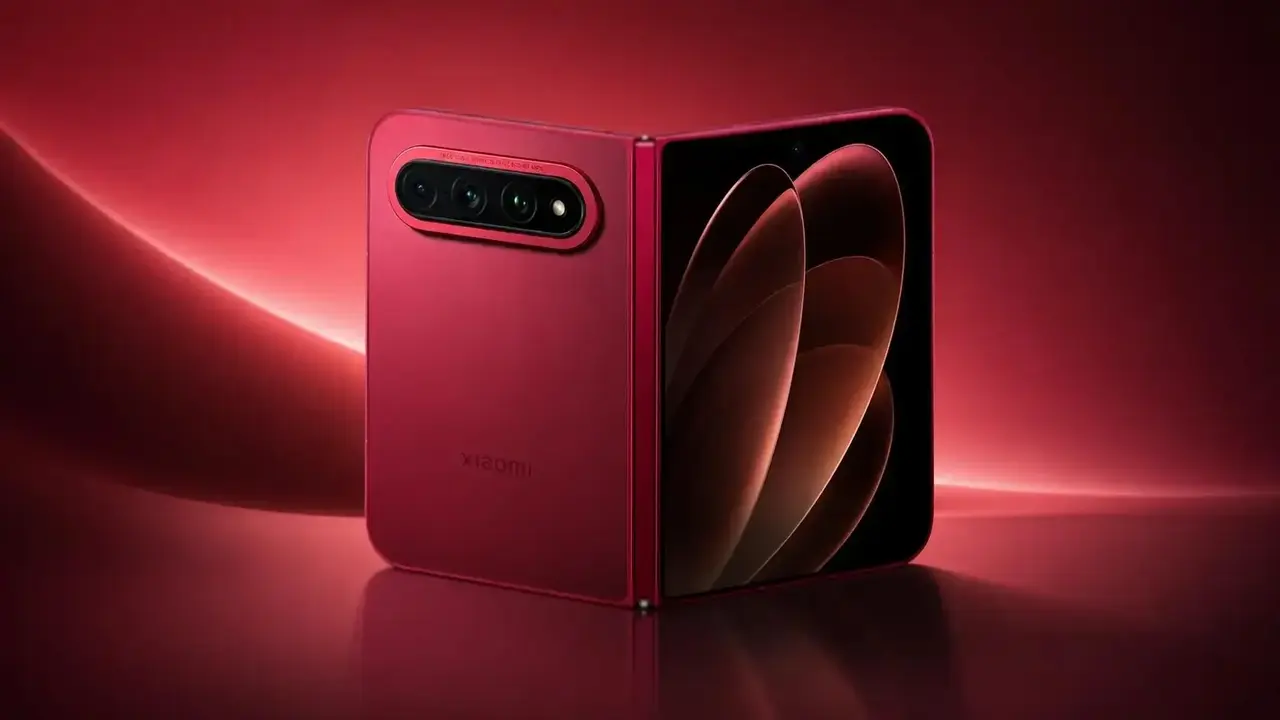
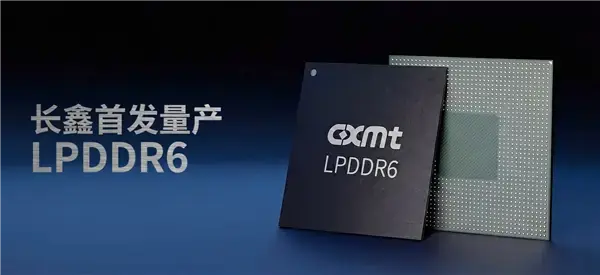
Changxin Memory has officially announced the commencement of mass production for the next-generation LPDDR6 memory modules, marking a significant technological leap in the smartphone industry. The highly anticipated flagship device, the Xiaomi 18 Fold, has been confirmed as the world’s first smartphone to integrate this cutting-edge memory technology. By adhering strictly to JEDEC LPDDR6 standards, this new architecture harmonizes high-performance computing with superior energy efficiency. These advanced chips are capable of reaching data transfer speeds of up to 12,800 Mbps, enabling modern mobile devices to process complex computational tasks faster while significantly reducing overall power consumption requirements.
- Changxin Memory has officially initiated the mass production of its new LPDDR6 memory technology.
- The Xiaomi 18 Fold serves as the first commercial implementation of these high-speed memory modules.
- The new memory architecture delivers a 60 percent increase in bandwidth compared to the previous LPDDR5X generation.
- Advanced ECC protocols have been integrated into the design to ensure long-term data stability and security.
New Memory Architecture Enhances Processing Power
The LPDDR6 memory developed by Changxin Memory is engineered specifically to maintain high performance under heavy operational workloads. When integrated with the device’s System-on-Chip (SoC), the technology facilitates stable data transfer rates reaching 10,667 Mbps, allowing the smartphone to utilize its processor capacity with maximum efficiency. This architecture does not merely increase speed; the dual-channel configuration and optimized signal transmission paths effectively streamline data traffic flow.
This hardware improvement results in a tangible performance boost, particularly during intensive multitasking scenarios and the execution of artificial intelligence-based applications. By minimizing latency between the memory and the processor, the system ensures a fluid user experience even when handling demanding software environments.
Energy Efficiency and Security Standards Are Improving
Battery longevity remains a primary challenge for flagship-tier smartphones, yet the introduction of LPDDR6 addresses this concern through a 20 percent reduction in power consumption. This efficiency is critical for devices like the Xiaomi 18 Fold, which feature high-resolution displays and power-hungry components that require consistent energy management. 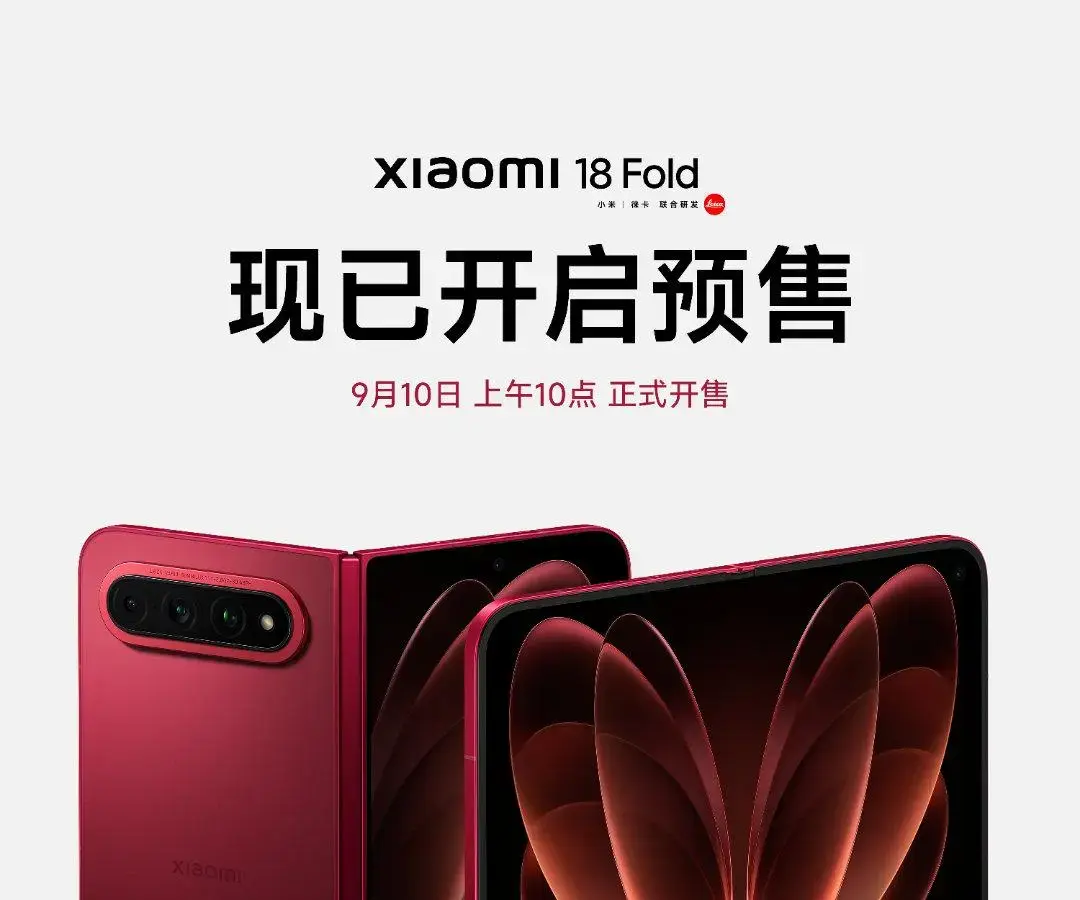 Beyond efficiency, Changxin has prioritized data integrity by incorporating advanced error-correction mechanisms, including Link ECC and On-Die ECC protocols.
These hardware-level safeguards provide essential protection against Row Hammer vulnerabilities, thereby guaranteeing the long-term reliability and stability of the system. By securing memory operations at the physical layer, the manufacturer ensures that the device remains resilient against potential data corruption threats.
Engineering Processes Include Extensive Design Improvements
The development cycle for this generation of memory involved the optimization of over 100 fundamental design rules and circuit structures. Changxin engineers implemented these modifications to ensure that the memory modules remain durable under extreme conditions, including high thermal output and significant physical stress. This rigorous approach to manufacturing guarantees that the memory components are not only fast but also highly reliable for prolonged use. Owners of the Xiaomi 18 Fold will benefit from this technical advancement, gaining access to some of the most sophisticated mobile hardware currently available on the global market.
How do you believe the integration of LPDDR6 memory technology will shape the future of mobile multitasking and AI performance? We invite you to share your thoughts and expectations regarding the Xiaomi 18 Fold in the comments section below.
Your comment has been submitted,
it will be published after approval.