
Is Importing an iPhone to Turkey Logical in 2026?


Following the launch of the iPhone 18 series in September 2026, many Turkish consumers are questioning if it remains financially viable to purchase an iPhone from abroad. With the local price of the iPhone 18 Pro reaching 137,999 TL and the mandatory IMEI registration fee surging to 54,258 TL for the 2026 period, the financial landscape has shifted significantly. While the high registration cost acts as a barrier, the price gap between international and domestic models varies greatly depending on the device tier. This analysis examines whether importing a smartphone is still a cost-effective strategy for tech enthusiasts in Turkey.
- The fixed IMEI registration fee of 54,258 TL makes importing low-to-mid-range iPhones economically disadvantageous.
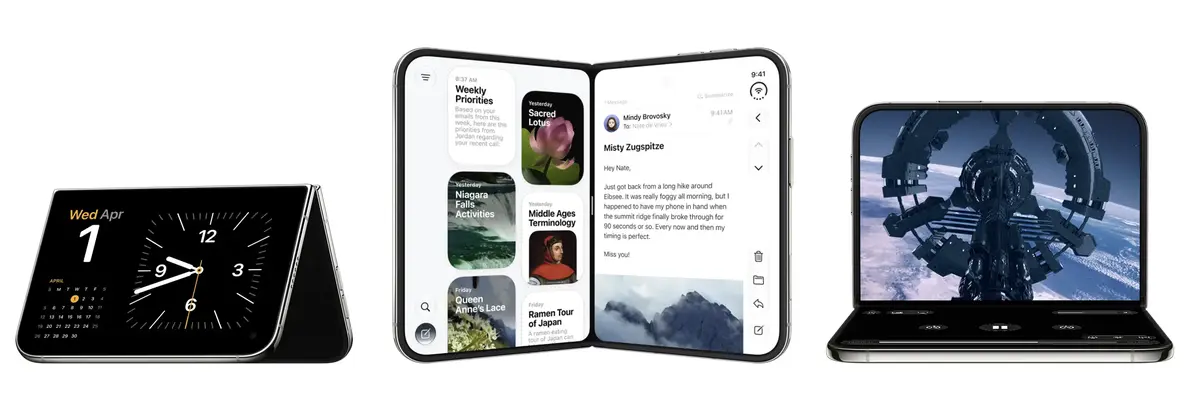
- High-end models, particularly those with large storage capacities or foldable designs, continue to offer significant savings despite the registration cost.
- Fluctuations in currency exchange rates and future increases in the IMEI registration fee threaten to diminish the benefits of international purchases.
- Travelers must comply with strict regulations, including the three-year usage rule and mandatory registration within 120 days of entry.
Calculations Reveal the Financial Threshold
To determine the economic feasibility, we compared the US list prices against the total cost of ownership in Turkey, including the mandatory registration tax. At an exchange rate of 48.50 TL per US dollar, the math clearly highlights a threshold. Devices retailing below 100,000 TL in Turkey, such as the iPhone 17 or iPhone 16, often end up costing more when the registration fee is added to the international purchase price. Consequently, consumers may find themselves paying a premium compared to local retailers for these specific models.
High-End Models Maintain a Price Advantage
The situation changes dramatically when looking at flagship devices. For the iPhone 18 Pro and Pro Max, the savings become apparent, with gaps reaching up to 32,000 TL for standard configurations. For users interested in premium variants like the 2 TB iPhone 18 Pro Max or the iPhone Duo, the savings are even more substantial, often exceeding 75,000 TL. In these instances, the fixed nature of the IMEI fee allows the price advantage of the international hardware cost to dominate the final calculation.

External Factors Influence the Total Cost
Before deciding to purchase a device from overseas, buyers must account for several regulatory and practical constraints. The most critical factor is the three-calendar-year rule, which restricts the frequency of registering devices under a single passport. Furthermore, international devices may lack certain features or support, such as the physical SIM slot found in the Turkish version of the iPhone 18 Pro, whereas US models are limited to eSIM technology. Additionally, warranty coverage and technical support processes often differ significantly, potentially leading to complications for users seeking repairs within Turkey.
Currency Volatility Impacts Future Savings
The economic logic behind these imports remains highly sensitive to exchange rate fluctuations. If the dollar strengthens against the Lira, the margin of profit for importing shrinks rapidly. Furthermore, if the government increases the IMEI registration fee in 2027, even high-end models could lose their competitive edge. Potential buyers should carefully monitor both the currency market and future tax adjustments before committing to an international purchase.
We are curious about your perspective on this year’s smartphone pricing. Are you planning to purchase your next device from abroad, or do you prefer the convenience and warranty coverage of domestic retail? Share your thoughts and your personal calculations in the comments section below.
Your comment has been submitted,
it will be published after approval.