
iPhone Memory Crisis: How Storage Capacity Drives Price Hikes

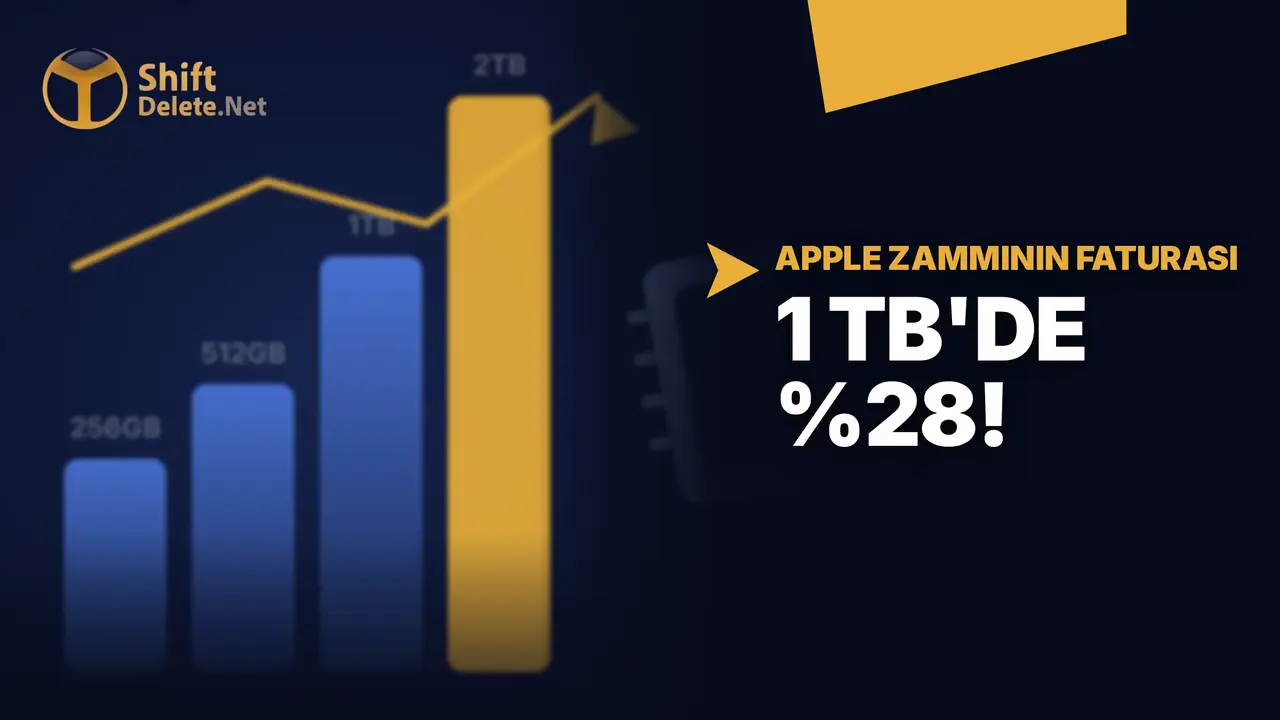
Following the launch of the iPhone 18 Pro, Apple updated its global pricing structures, revealing that the recent price hikes are not uniform but tied directly to storage capacity. While headlines initially focused on a flat $100 increase, a detailed analysis shows that the cost burden escalates significantly as users opt for higher-tier storage models. This shift, which mirrors trends seen in both the Turkish and United States markets, is primarily driven by a global memory shortage fueled by the massive demand for AI data centers. As hardware costs rise, Apple is passing these expenses onto consumers, making the choice of storage capacity a critical financial decision for buyers this year.
- Rising demand for DRAM and NAND flash memory in AI sectors has forced a surge in component costs for hardware manufacturers.
- Apple has implemented a tiered pricing strategy where price increases grow exponentially with higher storage capacities.
- The cost disparity between entry-level and high-capacity models has reached record levels compared to previous product generations.
Price Shifts Reflect Global Component Shortages
The pricing strategy adopted by Apple indicates that the company is struggling with the same supply chain pressures that have affected the broader tech industry throughout 2026. Because the processor, screen, and chassis remain constant across different storage variants, the only significant variable in production cost is the amount of NAND flash memory installed. As the price of this memory component climbs, the price difference between a 256GB and a 1TB model widens, resulting in a more aggressive price gap than seen in previous years.
Storage Upgrades Carry Higher Premiums
In the Turkish market, the impact of these changes is particularly visible. For example, while the iPhone Air 256GB model saw a moderate price increase, the 1TB version experienced a surge of nearly 28%. This represents a significant shift, as the cost of upgrading storage is no longer just a linear add-on but a substantial investment. The data suggests that for the first time, the cost of moving from a base model to a top-tier capacity is approaching the price of an entirely separate mid-range device.
Global Market Trends Mirror Local Adjustments
This trend is not limited to specific regions or currency fluctuations, as the US price list demonstrates a similar pattern. In the United States, the entry-level Pro Max model saw a standard price adjustment, but the 2TB version jumped by 25% compared to its predecessor. The pricing tiers for the iPhone 18 Pro have been structured to reflect these component costs, with each step up in capacity costing twice as much as the previous upgrade step. This confirms that Apple is managing its supply chain costs by placing the largest premiums on high-demand, high-capacity storage options.

Future Market Projections Remain Uncertain
Industry analysts expect the current memory crisis to persist through 2027, suggesting that high-capacity storage will likely remain a luxury. For consumers, this necessitates a more strategic approach to device purchases. Relying on cloud storage solutions or opting for lower capacity models might become the new standard for many users. As the difference in cost between storage tiers continues to expand, buyers must carefully weigh their actual needs against the rising expense of premium hardware configurations.
Given the steep price jumps for higher storage capacities, how are you planning to manage your storage needs for your next smartphone purchase? Share your thoughts and strategies in the comments section below.
Your comment has been submitted,
it will be published after approval.