
Official iPhone 18 Pro and Pro Max Battery Capacities Revealed

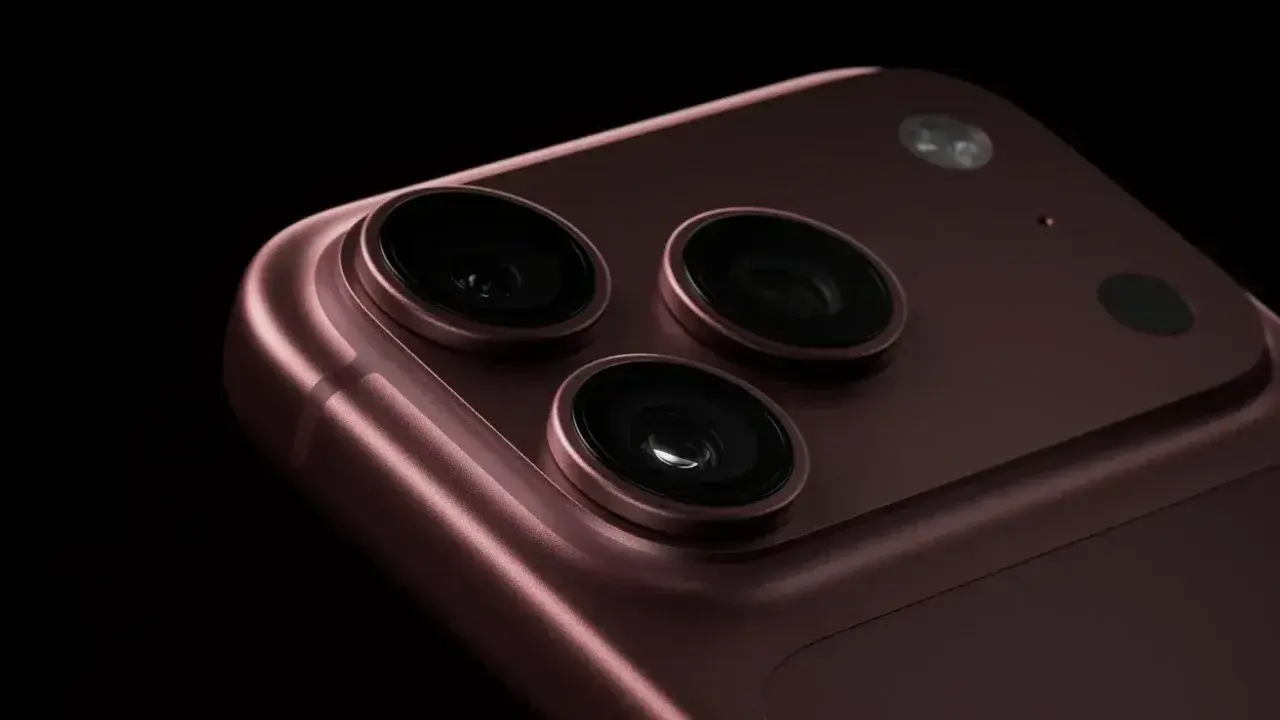
Apple has officially disclosed the technical battery specifications for the upcoming iPhone 18 Pro and iPhone 18 Pro Max, providing clarity for users anticipating the latest hardware upgrades. Compliance with European Union energy labeling regulations has mandated that the company publicly share these official mAh values on its regional product pages. The data confirms specific power capacities for models featuring physical SIM card trays, offering a transparent look into the energy enhancements integrated into this year’s flagship lineup. These figures serve as a primary reference point for consumers evaluating the hardware evolution between the current and previous generations of Apple’s premium smartphone offerings.
- The iPhone 18 Pro features a 4,056 mAh battery, representing a 1.7 percent capacity increase over its predecessor.
- The iPhone 18 Pro Max is equipped with a 5,391 mAh battery, marking a significant 11.7 percent upgrade compared to the previous model.
- Apple confirms that these specific capacity figures apply to international models equipped with physical SIM card slots.
- Regional variations exist for eSIM-only devices in specific markets, though official capacity data for these variants remains pending.
Technical Advancements Enhance Power Performance
According to the official documentation provided by the manufacturer, the iPhone 18 Pro houses a 4,056 mAh battery. This represents a measured improvement over the 3,988 mAh found in the iPhone 17 Pro. While the percentage gain is modest at 1.7 percent, the overall focus remains on optimizing internal efficiency.
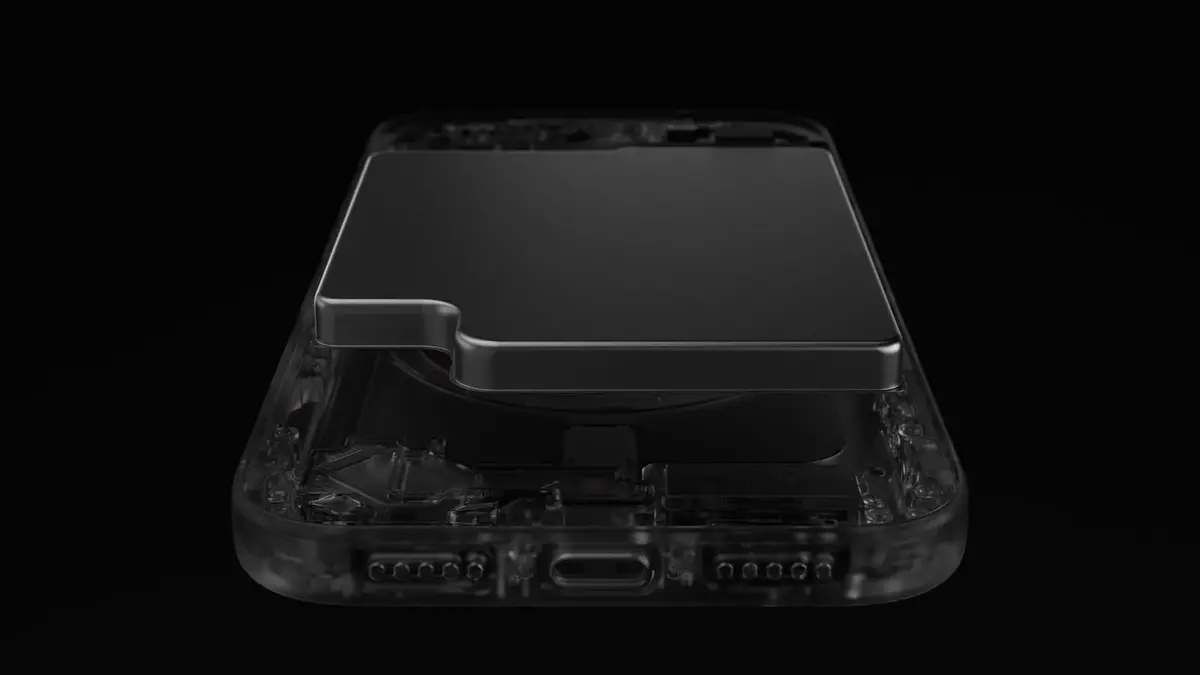
Conversely, the iPhone 18 Pro Max demonstrates a much more substantial leap, moving from a 4,823 mAh capacity to an impressive 5,391 mAh. This 11.7 percent increase suggests that Apple has prioritized longevity specifically for its largest flagship device, which is expected to appeal to power users who demand extended screen-on time for professional workflows and high-performance applications.
Regional Variations Affect Hardware Configurations
The battery specifications released by Apple pertain strictly to devices that include a physical SIM card tray. This distinction is crucial because Apple continues to distribute eSIM-only variants in several key markets, including the United States, Canada, Japan, and various nations across the Middle East. By removing the physical SIM hardware, these eSIM-only models theoretically free up internal space, which can be utilized for larger battery components. However, Apple has not yet released the exact mAh figures for these specific variants, leaving the total capacity for those regions unverified at this time. Consumers in Europe and the United Kingdom will continue to receive the standard physical SIM configuration, ensuring their devices align with the recently published data.
Upcoming Events Will Showcase Future Innovations
As the industry looks toward the upcoming Apple event on September 9th, excitement continues to build for the broader ecosystem. Beyond the iPhone 18 series, analysts anticipate the introduction of the Apple Watch Series 12 and the latest AirPods 5. While the design language of the iPhone 18 Pro remains largely consistent with its predecessor, the internal architectural refinements are intended to maximize energy efficiency. Industry experts from research firms like TrendForce are already monitoring how these hardware adjustments might influence global pricing strategies. Although major design overhauls are reportedly being reserved for a future anniversary model, the current iteration focuses on delivering tangible improvements in battery endurance and operational stability. As these devices reach the market, the real-world impact of these battery upgrades will become clearer to daily users.
We are interested to hear your perspective on these hardware changes; do you believe these battery capacity increases are sufficient for your daily usage needs, or were you hoping for a larger boost in power longevity?
Your comment has been submitted,
it will be published after approval.