
Apple Increases iPhone Prices and Impacts Global Smartphone Market

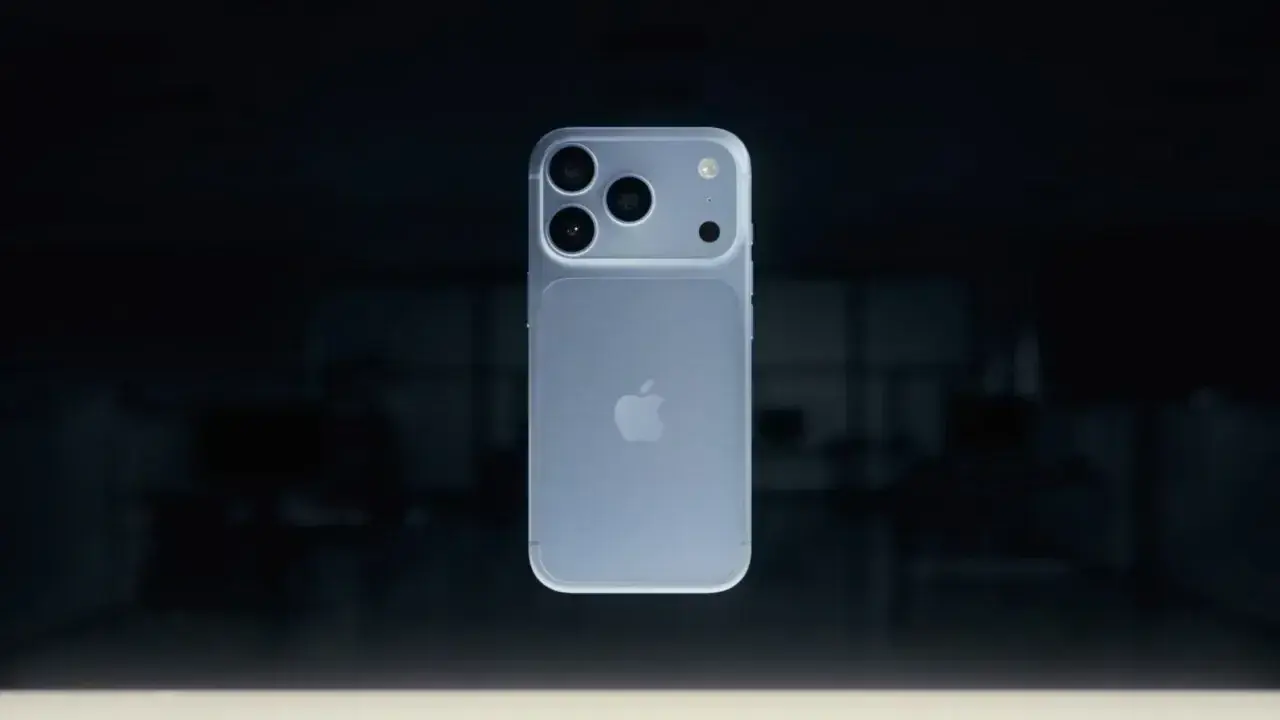
In a surprising shift for the technology industry, Apple has implemented a uniform 100-dollar price hike across its current device lineup, including the iPhone 16, 17, 17e, and the new Air models. This decision, which deviates from the traditional market expectation that aging hardware should decrease in value, marks a significant change in how Apple approaches its iPhone price increases. By raising the cost of existing inventory rather than just new releases, the tech giant has set a new precedent that could force a broader recalibration of pricing strategies across the entire global smartphone sector.
- Apple has increased the retail price of its current iPhone lineup by 100 dollars across almost all active models.
- The move disrupts the standard industry practice of reducing prices for older smartphone models over time.
- Increased component costs and supply chain constraints serve as the primary drivers for these upward price adjustments.
- Android manufacturers may feel empowered to follow Apple’s lead and raise prices for their own flagship devices.
Apple Implements a New Pricing Strategy
The company’s latest pricing structure signals that the era of predictable depreciation for smartphones may be coming to an end. The iPhone 18 Pro, equipped with 256GB of storage, now debuts at a starting price of 1,199 dollars, while the premium iPhone 18 Pro Max begins at 1,299 dollars. These figures represent a clear 100-dollar premium over the previous generation’s launch pricing. 
This upward trend is not limited to the flagship Pro series. Legacy devices like the iPhone 16 have seen their price tags adjusted to 799 dollars, while the iPhone 17e and the standard iPhone 17 have also moved up by 100 dollars each, reaching 699 and 899 dollars respectively. Even the thin and light iPhone Air model has seen its price rise to 1,099 dollars. With these adjustments, Apple has effectively raised the entry bar for its entire product hierarchy.
Android Manufacturers Might Change Their Strategies
The decision by Apple to raise prices on existing inventory creates a challenging environment for Android competitors. As manufacturers grapple with rising component costs, particularly concerning global RAM shortages, the pressure to pass these expenses onto the consumer becomes increasingly difficult to ignore. Apple’s boldness in adjusting active market prices provides a potential cover for other brands to execute their own increases.
While companies like Samsung and Google have not officially announced direct 100-dollar surcharges on their current portfolios, the market climate has shifted. Android manufacturers often rely on aggressive launch promotions and trade-in incentives to maintain competitiveness, which may act as a buffer against immediate price spikes. However, the overarching reality remains that the standard for premium mobile hardware costs has been reset. Industry analysts suggest that this movement could lead to a permanent increase in the average selling price of smartphones worldwide. Consumers must now prepare for a landscape where device costs remain stagnant or climb, regardless of how long the product has been on the market.
Given these significant shifts in smartphone pricing, we are curious to hear your perspective on whether this trend will influence your next device purchase or if you believe Apple’s strategy will backfire in the long run; please share your thoughts in the comments section below.
Your comment has been submitted,
it will be published after approval.