
STM Reveals Advanced Next-Generation Drone Ecosystem

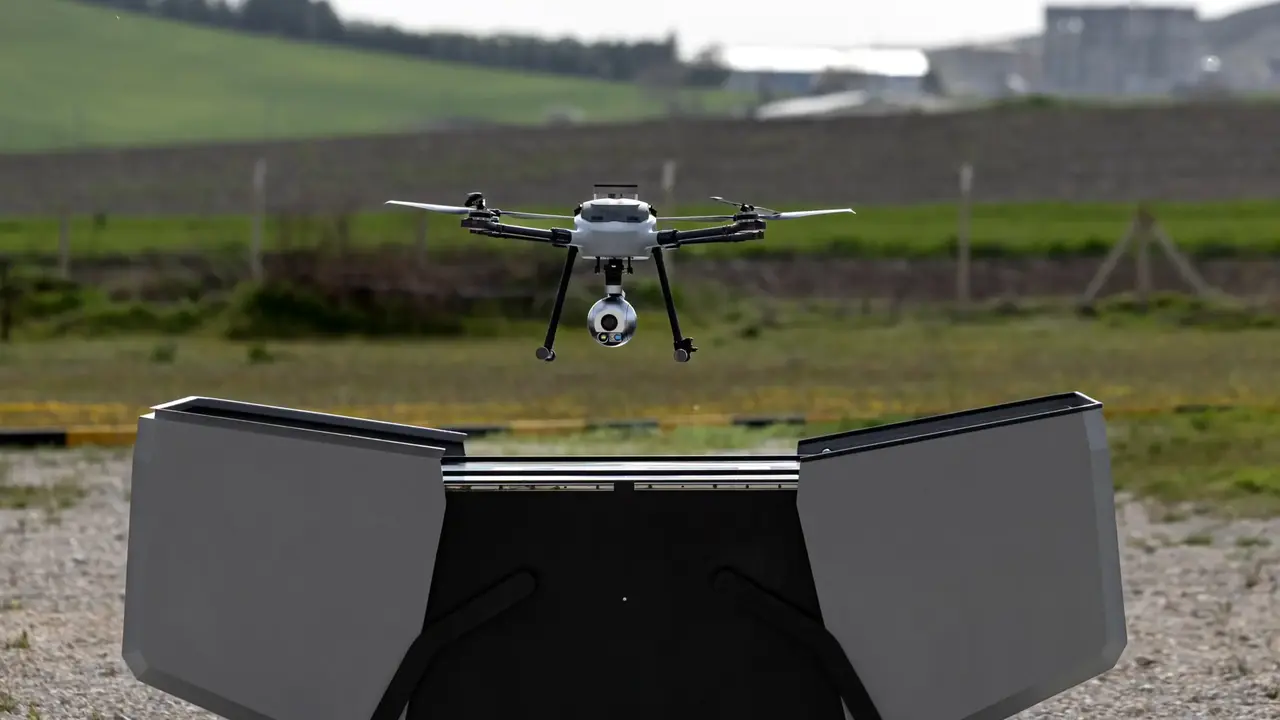
Turkish defense contractor STM has officially showcased a sophisticated lineup of next-generation unmanned systems, highlighting the integration of TOGAN, NEST, and TUNGA-X technologies. This demonstration, held in September 2026, emphasizes the company’s comprehensive approach to modern warfare, covering reconnaissance, electronic warfare, autonomous operations, and counter-UAV capabilities. By presenting these systems as a unified ecosystem, STM underscores its commitment to developing interconnected drone technologies that operate seamlessly in complex environments. The exhibition highlights how these diverse platforms—ranging from tactical reconnaissance tools to high-speed interceptors—are designed to bolster national security through advanced autonomous synchronization.
- The TOGAN SPECDRONE variant expands mission profiles into the electronic warfare domain by providing signal detection and analysis.
- The NEST Smart Nest System enables 24/7 autonomous operations by facilitating automated takeoff, landing, and charging for drones.
- The TUNGA-X interceptor drone achieves speeds of up to 300 km/h to neutralize aerial threats effectively.
TOGAN SPECDRONE Enhances Electronic Warfare Capabilities
Among the featured systems, the TOGAN SPECDRONE stands out for its specialized role in electronic warfare. Equipped with a dedicated electronic support pod, this platform is engineered to collect and analyze data across the electromagnetic spectrum. By detecting and classifying signals within specific frequency ranges, the drone provides critical intelligence that informs broader electronic warfare operations. This strategic evolution of the TOGAN family ensures that the system is no longer limited to basic observation but serves as a vital component in modern signal intelligence efforts.
TOGAN Mini Offers Compact Reconnaissance Solutions
For tactical-level operations requiring portability, STM has introduced the TOGAN-M Mini. Weighing less than 2.5 kilograms, the system features a flight time of 30 minutes and a communication range of 6.5 kilometers. Despite its small footprint, it is engineered to withstand harsh electronic warfare conditions. A significant technical advantage of the TOGAN Mini is its ability to perform autonomous takeoff, landing, and station-keeping in GPS-denied environments, ensuring operational reliability where satellite signals are unavailable.
NEST Systems Ensure Continuous Surveillance Operations
The NEST Smart Nest System addresses the logistical challenges of long-term drone deployment. By functioning as an automated hangar, NEST allows unmanned aerial vehicles to remain in the field for extended durations without direct human intervention. The system supports autonomous charging and deployment, making it ideal for the persistent monitoring of critical infrastructure. When integrated with the TOGAN family, NEST creates a robust surveillance network capable of maintaining a constant presence in high-security zones.
TUNGA-X Targets Hostile Aerial Threats
The TUNGA-X interceptor drone represents a significant leap in counter-UAV technology. Designed for vertical takeoff and landing, this system is specifically built to intercept and neutralize incoming aerial threats. Utilizing image-processing-based autonomous tracking and proximity-fused munitions, TUNGA-X can engage targets effectively at speeds up to 300 km/h. With a range of 25 kilometers and an operational ceiling of 5,000 meters, it offers a versatile solution for land, sea, and air platforms to defend against low-cost, high-impact aerial incursions.
STM Expands Its Unmanned System Ecosystem
The expansion of the STM drone portfolio reflects a shift toward holistic autonomous systems that complement one another in the field. By integrating reconnaissance, interception, and autonomous support platforms, the company is moving beyond individual hardware solutions. This ecosystem approach reduces the need for manual oversight and optimizes the efficiency of modern military operations. As these technologies continue to mature, they promise to reshape how critical infrastructure is protected and how tactical missions are executed in contested environments.
Which of these new autonomous systems do you believe will have the greatest impact on future defense strategies? Share your thoughts and insights in the comments section below.
Your comment has been submitted,
it will be published after approval.