
Russia Develops New 800-Kilometer Range Ballistic Missile

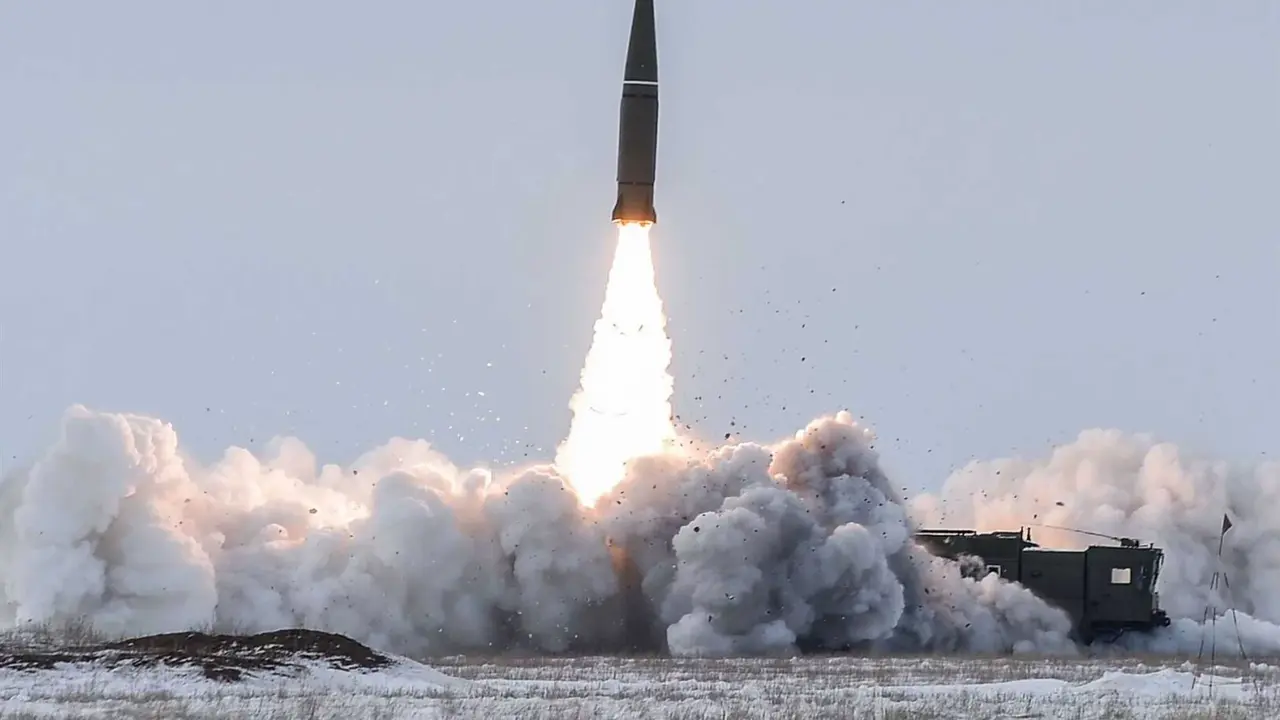
According to reports from Ukrainian intelligence, Russia is currently in the final stages of developing a new ballistic missile capable of striking targets up to 800 kilometers away. Vadym Skibitskyi, Deputy Chief of the Main Intelligence Directorate (HUR) of the Ukrainian Ministry of Defense, announced during a meeting of the Ukraine-NATO Interparliamentary Council that Moscow intends to complete final testing of this sophisticated system before the end of the year. This development marks a significant shift in Russia’s long-range strike capabilities, as the country continues to refine its domestic missile production cycles to enhance performance under active combat conditions.
- Russian intelligence officials aim to complete the final development phase and operational testing of an 800-kilometer range ballistic missile by the end of this year.
- Ukrainian authorities suspect the new system could potentially be a variant or an advanced iteration of the existing 3M22 Zircon hypersonic missile.
- The deployment of this missile on mobile launch platforms would enable Russian forces to threaten a much broader geographic area across Ukraine.
- Moscow continues to integrate various systems, including North Korean-made weaponry and upgraded domestic missiles, to bolster its ongoing offensive operations.
Speculations Regarding the Zircon Connection Persist
The exact technical specifications and design lineage of this mysterious new missile remain largely unconfirmed by official sources. While some analysts and Ukrainian intelligence assessments suggest that the weapon might be a derivative of the 3M22 Zircon—a system known for its hypersonic speed and advanced maneuverability—there is no definitive proof yet. The connection remains a working hypothesis among military experts rather than a confirmed fact.
This discussion gained further traction following the disclosure of detailed technical data regarding the Zircon’s supply chain and internal components by the Ukrainian government in late August. By analyzing these components, observers are attempting to determine whether the new 800-kilometer system shares a common technological heritage with Russia’s existing hypersonic arsenal.
Strategic Implications of the Extended Range Become Clear
The acquisition of an 800-kilometer range capability represents a notable expansion of Russia’s tactical and strategic reach. Current intelligence estimates suggest that during the upcoming final tests, the Russian military may conduct live-fire exercises aimed at locations in western Ukraine. If successfully integrated onto mobile launchers, this missile would provide Moscow with unprecedented flexibility in choosing strike points, significantly complicating the defensive posture of Ukrainian forces.
It is important to note that the 800-kilometer figure represents the maximum projected reach as estimated by HUR officials. The actual operational effectiveness and the true range of the system will only be determined after the final round of testing is concluded and analyzed by defense experts.
Production of Ballistic Missiles Continues to Increase
This development is occurring against a backdrop of intensified ballistic missile production within Russia. Moscow is currently utilizing a diverse array of systems to sustain its campaign, including the well-known 9M723 missiles associated with the Iskender-M platform, as well as imported munitions such as the North Korean KN-23 and KN-24 models. By diversifying its inventory and pushing for increased range, Russia is clearly signaling an intent to maintain long-term pressure on targets deep within Ukrainian territory.
As of now, the Russian Ministry of Defense has not released comprehensive technical documentation regarding the missile’s final design, payload capacity, or launch infrastructure. Consequently, the international community remains in a position of cautious observation as the year-end test window approaches.
Given the ongoing developments in missile technology and their potential impact on the conflict, what are your thoughts on how these new capabilities might shift the current security landscape in Eastern Europe? Please share your expert analysis or opinions in the comments section below.
Your comment has been submitted,
it will be published after approval.