
iPhone 18 Pro Outperforms Android Rivals with A20 Pro

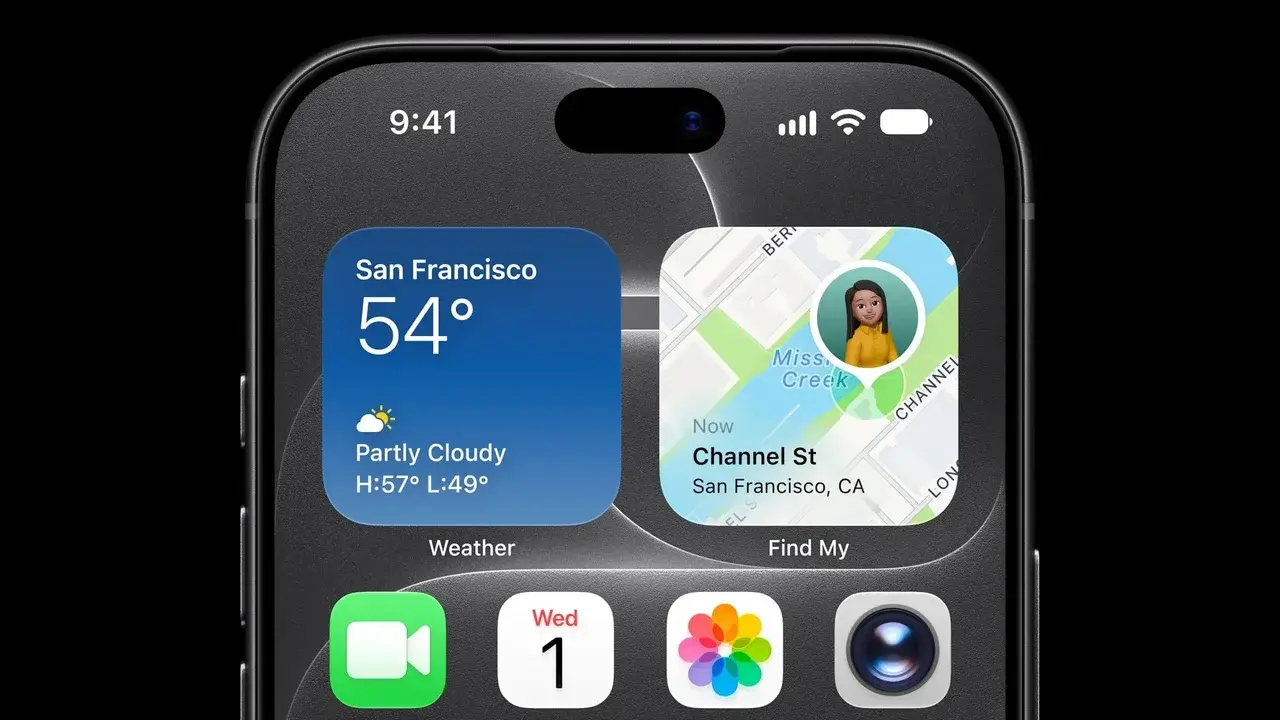
Apple has officially redefined mobile computing standards with the launch of the iPhone 18 Pro and Pro Max, both powered by the revolutionary A20 Pro processor. Unveiled as the industry’s first smartphone chip built on TSMC’s cutting-edge 2nm manufacturing process, the A20 Pro aims to solidify Apple’s market dominance against leading Android flagship competitors. By integrating a higher density of transistors, the new silicon delivers a 30% boost in power efficiency compared to the previous A19 Pro. This technological leap provides users with significant performance gains for daily computational tasks while maintaining long-term battery integrity throughout the device’s lifecycle.
- The A20 Pro chip utilizes TSMC’s 2nm manufacturing process to increase transistor density and efficiency.
- Apple integrated a new vapor chamber cooling system to improve sustainable performance by 40%.
- The updated Neural Engine features 32 cores to accelerate on-device artificial intelligence processing.
- Graphic processing performance sees a 40% improvement through an increased GPU core count and higher memory bandwidth.
Efficiency and Performance Standards Are Elevated
The architecture of the A20 Pro consists of two high-performance desktop-class cores paired with four efficiency-focused cores. This design philosophy ensures that the iPhone 18 Pro can handle intensive workloads without sacrificing energy conservation. According to internal reports, the CPU architecture provides a 20% speed increase over its predecessor, positioning it as a formidable leader in the mobile hardware space. 
Visual fidelity and gaming capabilities have also received substantial upgrades. The device features a 40% improvement in graphics performance, achieved by expanding the GPU core count to seven and increasing total memory bandwidth by 50%. To mitigate the heat generated by such intense processing power, Apple has implemented an advanced vapor chamber cooling system that covers both the processor and the memory. 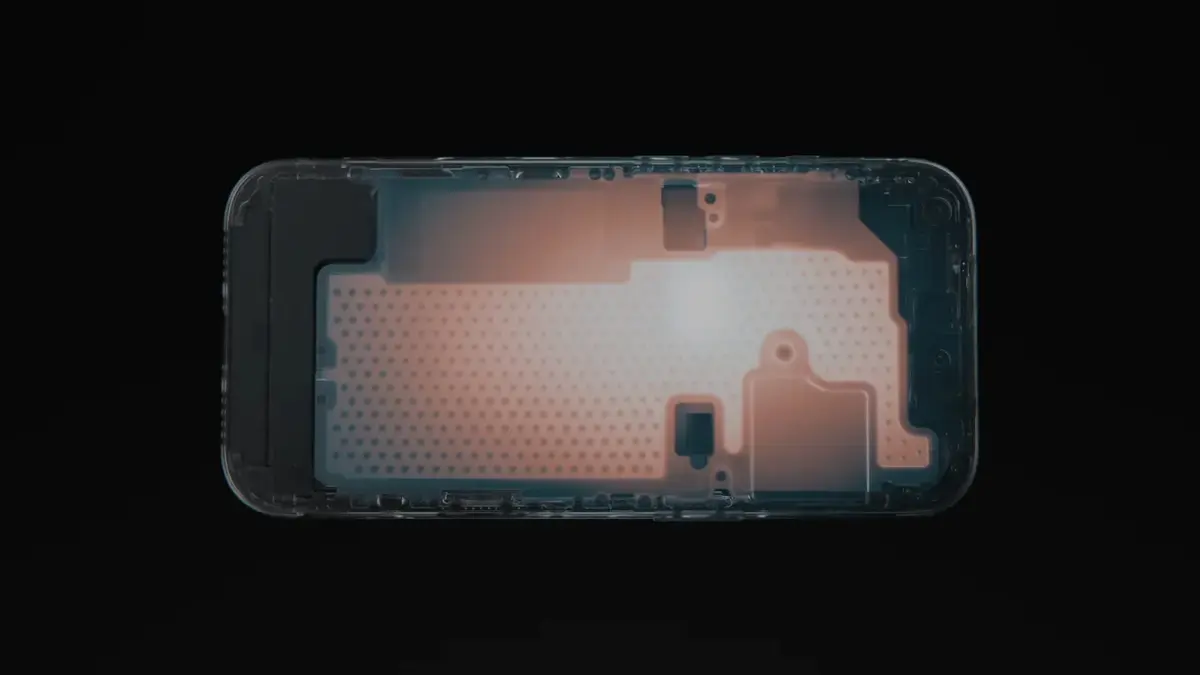 This cooling architecture is engineered to sustain peak performance during extended gaming sessions, preventing thermal throttling that typically hampers mobile hardware.
Artificial Intelligence Capacities Are Significantly Expanded
Apple has doubled the capacity of the Neural Engine, increasing it from 16 to 32 cores to handle complex machine learning tasks. A critical addition is the support for 8-bit floating-point arithmetic, which allows for faster execution of quantized AI models with a smaller memory footprint. 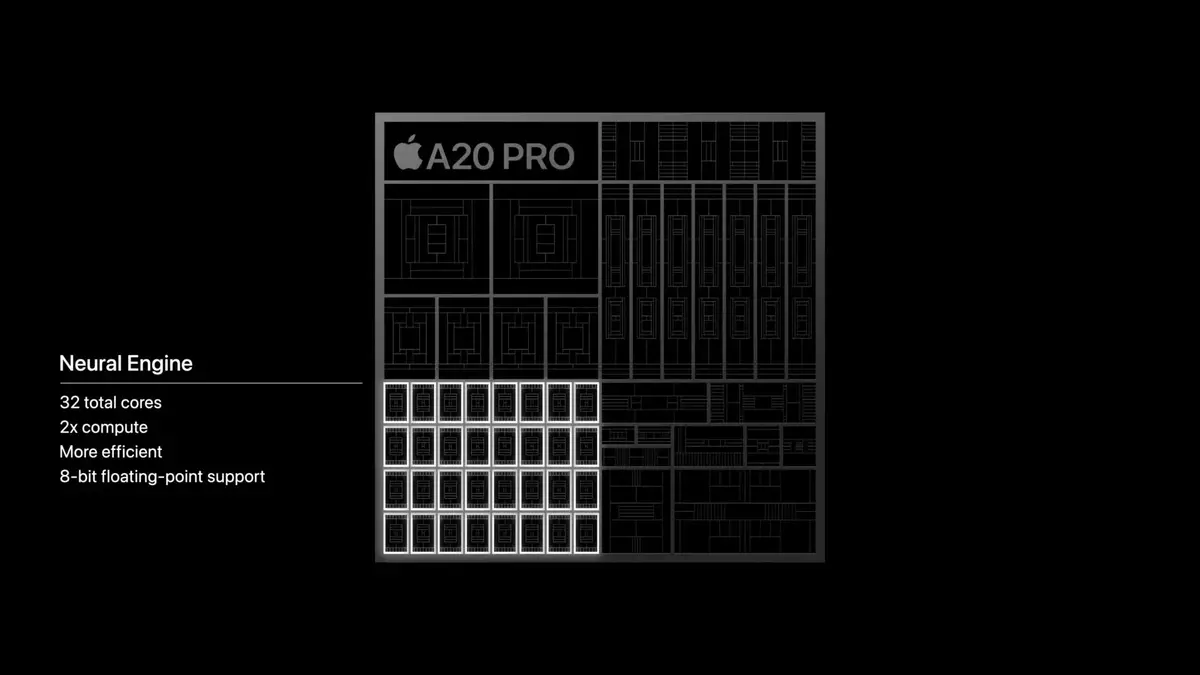 This shift is expected to enhance on-device intelligence features significantly, keeping the iPhone 18 Pro competitive as generative AI becomes a central pillar of mobile software.
While Qualcomm and MediaTek prepare to launch their own next-generation flagship chips later this year, Apple’s early jump to 2nm technology provides a distinct advantage. Whether this performance lead remains sustainable depends on real-world benchmarks and the competitive response from the Android ecosystem in the coming months. The hardware foundation established by the A20 Pro represents a major investment in the future of mobile efficiency and artificial intelligence processing.
We are curious to know your thoughts on this technological jump; do you believe the A20 Pro will maintain its lead against upcoming Android flagships, or will the competition catch up quickly? Share your predictions in the comments section below.
Your comment has been submitted,
it will be published after approval.