
Israel Enhances F-35I Adir Fleet with Advanced Electronic Warfare Pods

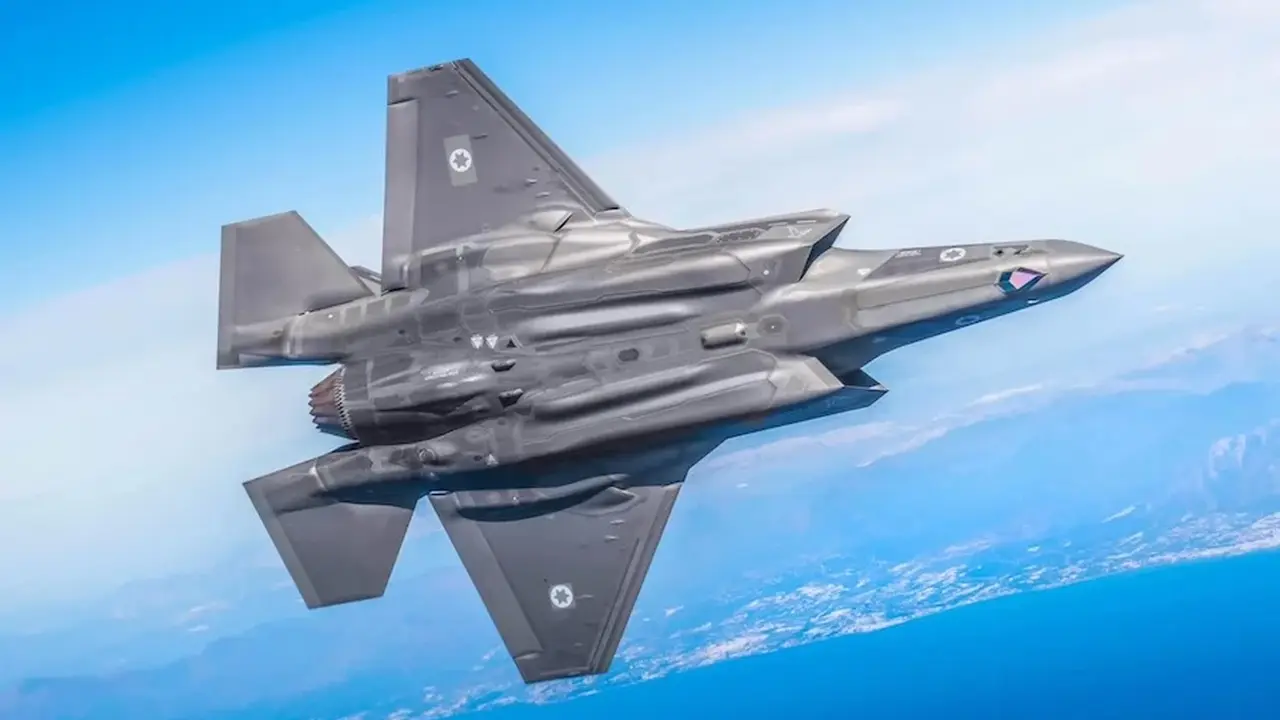
Israel is actively upgrading its fleet of F-35I Adir fighter jets to meet specific operational requirements, according to the US fiscal year 2027 F-35 Modernized Selected Acquisition Report. The ambitious modernization program focuses on integrating the SPICE 1000B precision-guided munitions, developing external fuel tanks for extended operational range, and incorporating custom electronic warfare pods. By implementing these sophisticated enhancements, the Israeli Air Force aims to significantly bolster the combat radius, strike precision, and electromagnetic spectrum capabilities of its fifth-generation aircraft, ensuring the platform remains highly effective against evolving regional threats and advanced radar detection systems.
- The Israeli Air Force is integrating custom electronic warfare pods to enhance the stealth aircraft’s survivability in contested environments.
- Development efforts include the addition of external fuel tanks to significantly increase the operational range of the F-35I platform.
- The integration of SPICE 1000B precision-guided munitions aims to provide Israel with non-GPS dependent strike capabilities.
- Israel plans to expand its total F-35I fleet to 75 aircraft while incorporating advanced Technology Refresh 3 hardware.
SPICE 1000B Integration Accelerates Precision Strike Capabilities
A primary focus of this upgrade package is the integration of the SPICE 1000B, a precision-guided munition developed by Israel’s Rafael Advanced Defense Systems. Currently referred to as “SPICE Lite” in technical reports, this weapon system utilizes image-based guidance technology, allowing it to function effectively in environments where GPS signals are jammed or unavailable. With its wing-assisted design, the weapon offers a strike range of approximately 100 kilometers. While development is ongoing, the exact timeline for the final operational configuration and deployment remains classified.
External Fuel Tanks Extend Operational Reach
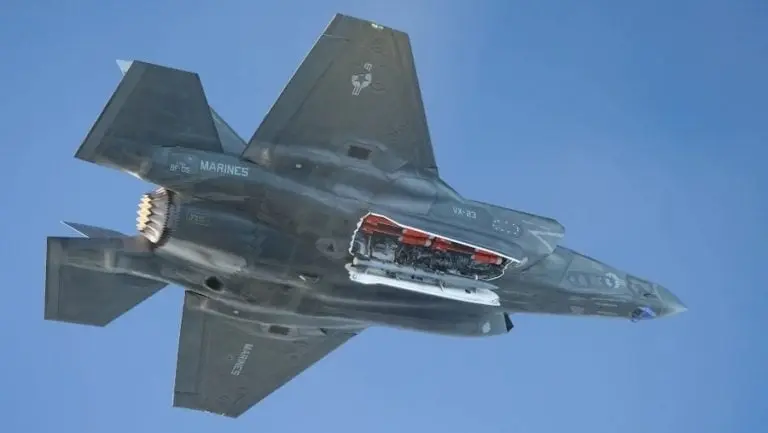
To reduce reliance on aerial refueling during long-range missions, Israel is developing specialized external fuel tanks for its F-35I jets. The Ministry of Defense has secured a contract exceeding $34 million with Cyclone, a subsidiary of Elbit Systems, to adapt designs previously used for F-16 aircraft. This development represents a unique engineering challenge, as the addition of external components must be carefully managed to maintain the aircraft’s critical low-observable, or stealth, characteristics during combat operations.
Electronic Warfare Pods Enhance Electromagnetic Superiority
The third pillar of the modernization initiative involves the integration of a proprietary electronic warfare pod. While specific technical details such as frequency coverage and signal jamming capacity are not public, the system is designed to provide the F-35I with superior defensive and offensive capabilities in electromagnetic environments. This project is part of a broader national investment in electronic warfare, as evidenced by recent national defense awards granted to systems that maintain Israel’s regional air superiority.
Fleet Expansion Continues with Technology Refresh 3
Beyond individual aircraft upgrades, Israel is steadily growing its F-35I inventory toward a target of 75 jets. The government has approved the procurement of a fourth squadron, and upcoming deliveries are expected to feature the Technology Refresh 3 (TR-3) hardware. This upgrade provides the necessary processing power and memory capacity to support the advanced software requirements of the new munitions and electronic warfare systems currently under development.
Future Operational Status Remains Under Development
It is important to note that these systems are currently in the development or integration phase rather than full operational service. These efforts underscore Israel’s strategic vision to transform the F-35I Adir into a highly customized, nation-specific platform rather than relying solely on the standard configuration provided by the manufacturer. As these technologies reach maturity, they will fundamentally change how the Israeli Air Force projects power in the region.
What are your thoughts on Israel’s decision to modify the F-35I with custom electronic warfare and fuel systems? Share your perspective in the comments section below.
Your comment has been submitted,
it will be published after approval.