
Germany’s First F-35A Lightning II Completes Maiden Flight

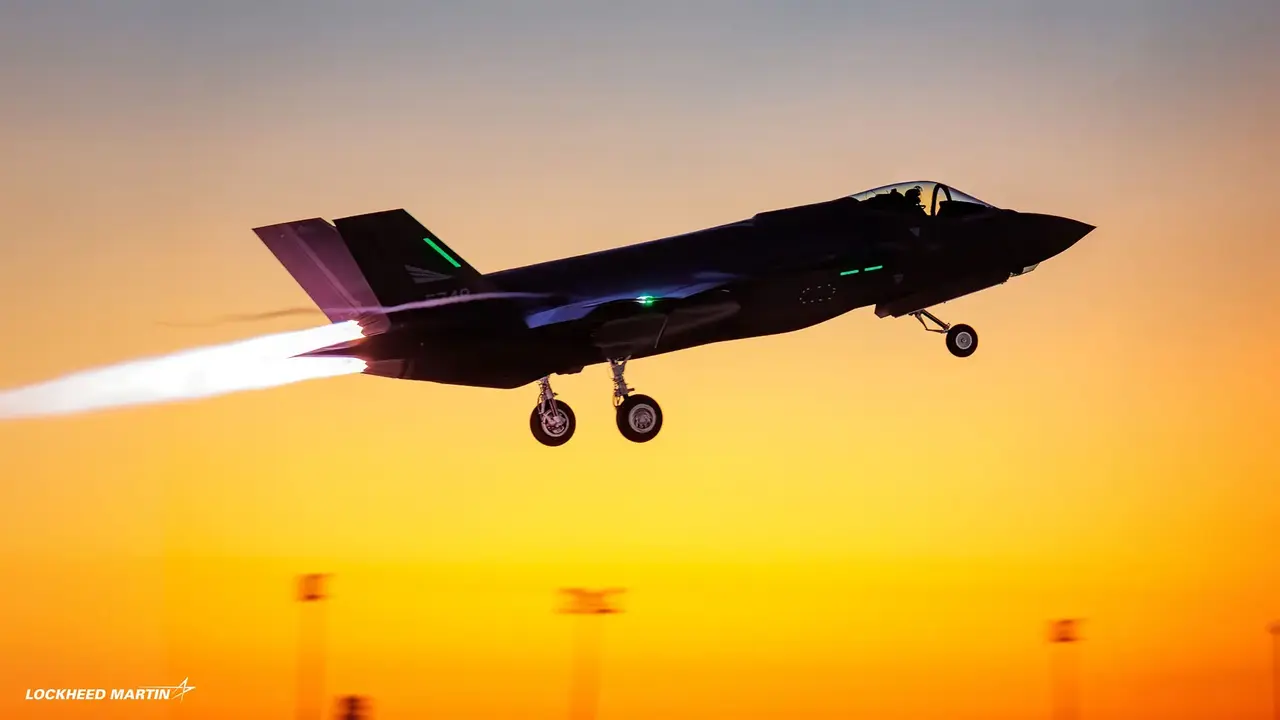
The German Air Force, known as the Luftwaffe, reached a significant milestone in its next-generation fighter program as the nation’s first F-35A Lightning II successfully completed its maiden flight. The historic flight occurred on September 8, 2026, at Lockheed Martin’s production facilities in Fort Worth, Texas. This achievement marks the beginning of a transition phase for the German military as it modernizes its aerial capabilities. The aircraft, identified as MG-01 and carrying the serial number 35+01, is the first of 35 units ordered by Germany to replace its aging Panavia Tornado fleet, signifying a major leap toward fifth-generation aviation dominance within the NATO alliance.
- Germany ordered 35 F-35A Lightning II jets to replace the legacy Panavia Tornado fleet.
- The first unit will remain in the United States to facilitate pilot and technical training at Ebbing Air National Guard Base.
- The procurement program represents a total investment of approximately 10 billion euros.
- Operational deployment of the F-35A fleet in Germany is scheduled to begin at Büchel Air Base in late 2027.
Training Activities Begin in the United States
Although the aircraft has officially taken to the skies, it will not be arriving in Germany immediately. The first batch of F-35s is designated for the training of German pilots and maintenance crews stationed in the United States. This training program is hosted at Ebbing Air National Guard Base in Arkansas, where the Luftwaffe has established a dedicated operational structure as of 2026. By keeping the initial aircraft in the U.S., the German Air Force ensures that its personnel are fully prepared to handle the advanced capabilities of the fifth-generation platform before the jets are integrated into domestic operations. 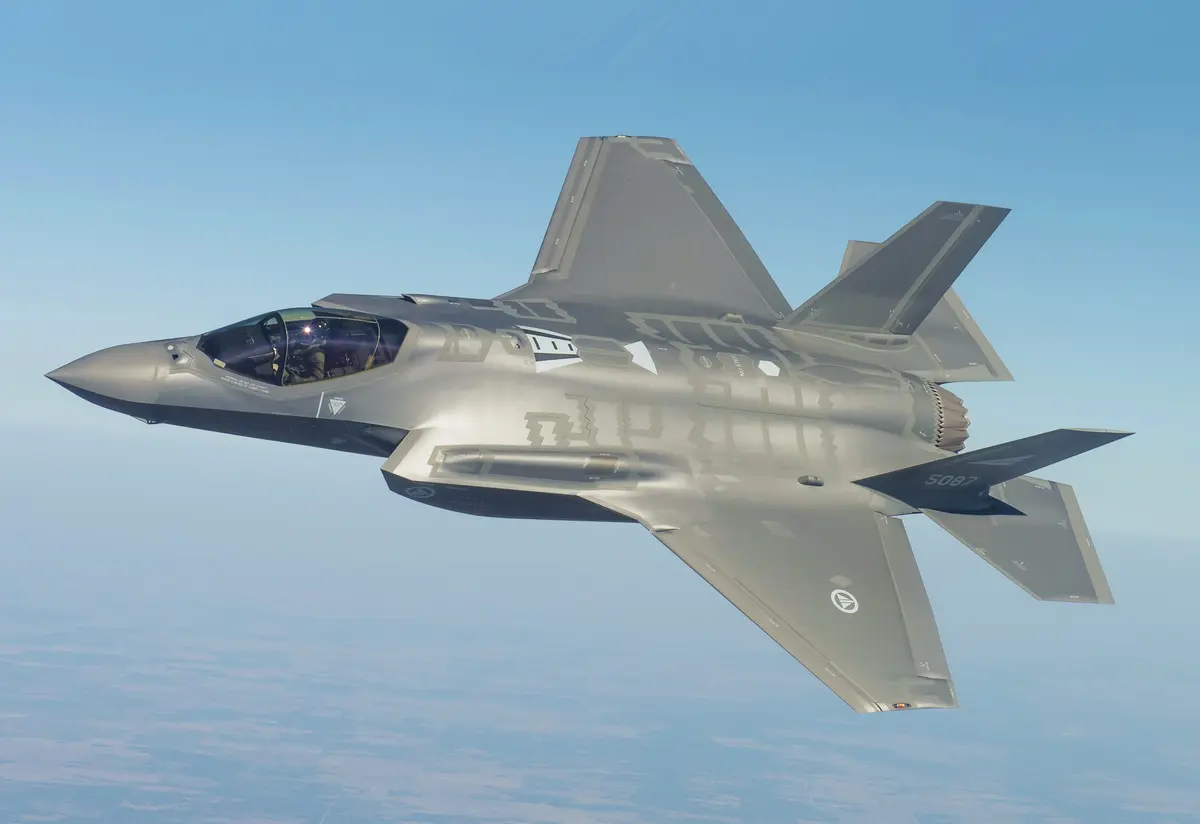
Operations in Germany Will Commence in 2027
The transition to the F-35A era within German borders is expected to gain momentum by the end of 2027. The main hub for these operations will be Büchel Air Base, which is currently undergoing extensive infrastructure upgrades to accommodate the specific requirements of the F-35 fleet. This strategic timeline allows the Luftwaffe to complete its essential training cycles in the U.S. before shifting the aircraft to their permanent European home, ensuring a seamless transition from the legacy Tornado jets to the more capable F-35 platforms.
The Fleet Will Sustain NATO Nuclear Deterrence
A primary driver behind Germany’s decision to acquire the F-35A is the necessity to maintain its commitment to NATO’s nuclear-sharing mission. As the current Tornado fleet approaches the end of its service life around 2030, the F-35A will serve as the critical replacement to uphold this defensive obligation. Beyond the nuclear role, the aircraft provides the Luftwaffe with unprecedented stealth, advanced sensor fusion, and network-centric warfare capabilities, which are essential for modern multi-domain operations.
Total Investment Reaches Ten Billion Euros
The acquisition of these fighter jets is part of a comprehensive 10-billion-euro investment package. This funding covers more than just the airframes; it encompasses a robust support ecosystem, including high-tech ammunition, specialized spare parts, and a five-year comprehensive maintenance contract. By choosing the F-35, Germany is also prioritizing interoperability with other NATO member states, strengthening the collective defense posture of the alliance through shared technical standards and operational tactics.
Official Delivery Ceremony Approaches Rapidly
Following the successful maiden flight, the program is moving swiftly toward the formal handover. The official delivery ceremony for the first German F-35A is scheduled for September 18, 2026, in Fort Worth. This event will solidify the partnership between the German government and Lockheed Martin as the Luftwaffe officially enters the fifth-generation era. With the production phase transitioning into the delivery and training phase, the German military is well on its way to securing its future airpower requirements.
What are your thoughts on Germany’s transition to the F-35A fleet and its impact on European defense? Share your opinions in the comments section below.
Your comment has been submitted,
it will be published after approval.