
UK and Germany Develop New 2,000 Km Range Missiles

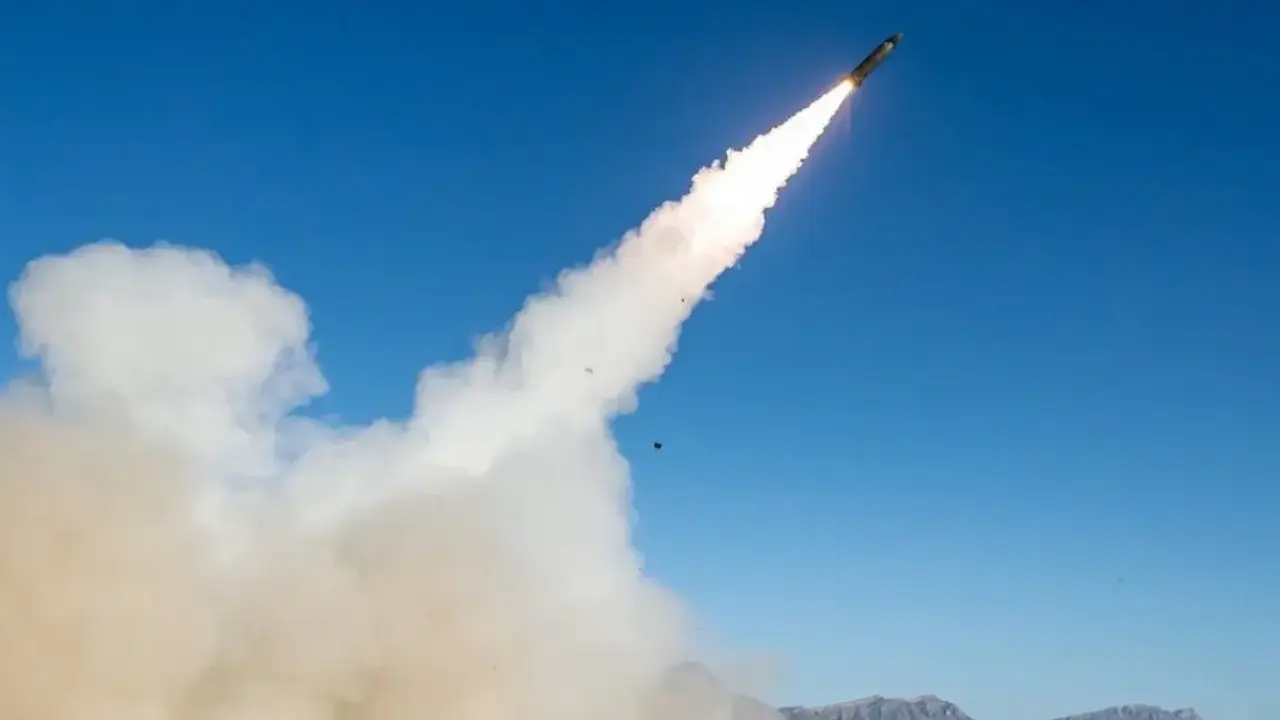
In a significant move to bolster European long-range strike capabilities, the United Kingdom and Germany have embarked on a joint initiative to develop next-generation missile systems capable of exceeding a 2,000-kilometer range. Formalized under the Trinity House Defence Agreement signed in October 2024, the collaborative project aims to reduce Europe’s dependence on American military technology. By March 2026, both nations accelerated technical efforts within the Deep Precision Strike program, targeting a deployment window in the 2030s. This strategic partnership positions London and Berlin as the primary leaders in establishing a sovereign, long-range conventional deterrence capability for the continent.
- The joint program focuses on developing a missile family with a reach exceeding 2,000 kilometers.
- The United Kingdom has committed an initial investment of 770 million pounds over four years.
- The weapon systems will eventually feature both stealth cruise missiles and hypersonic glide vehicles.
- The collaboration serves as a core component of the broader European Long-Range Strike Approach (ELSA).
Strategic Requirements Exceed 2,000 Kilometers
The defining parameter of the Deep Precision Strike program is its ambitious range. While current European assets often face limitations in reach, this new initiative seeks to provide military commanders with the ability to strike targets from distances exceeding 2,000 kilometers. Initially, the development teams are prioritizing land-based mobile systems, although subsequent phases of the project will evaluate integration onto aerial and maritime platforms to ensure operational flexibility.
Advanced Technologies are Being Integrated
The program architecture remains fluid, as officials confirm it will not be limited to a single missile design. Instead, the initiative encompasses a family of weapons featuring stealth cruise missile technology and high-speed hypersonic glide vehicles. This dual approach aims to counter modern integrated air defense systems by providing both low-observable flight profiles and terminal-phase speed that makes interception extremely difficult for adversaries. Technical teams are currently finalizing industrial contracts to move from the conceptual phase toward prototype development.
Design Specifications Remain Under Evaluation
Despite the clear range requirements, the final technical specifications and exact physical design of the platforms have not yet been solidified. Since mid-2025, officials from both London and Berlin have indicated that they are analyzing multiple conceptual configurations to determine the most cost-effective and survivable solution. Consequently, there is currently no single prototype undergoing flight testing; rather, the project remains in an intensive research and design phase focused on establishing a robust technology base for future manufacturing.
Investment Programs Support Long-Term Goals
The financial backing for this venture reflects its strategic importance to both nations. The United Kingdom’s initial commitment of 770 million pounds represents the first phase of funding aimed at maturing the necessary technologies. This effort complements a wider NATO-led initiative, where twelve nations have pledged over 50 billion dollars toward long-range precision strike capabilities over the next decade. As part of this wider push, the UK is also managing parallel projects, such as the Stratus program with France and Italy, to diversify its arsenal.
Future Deployment Timelines are Expected
The collaborative work between the UK and Germany is scheduled to yield its first operational systems in the 2030s. By focusing on a versatile missile family that can be adapted for land, air, and sea launch, both countries intend to secure a dominant position in European defense manufacturing. This long-term commitment underscores a shift toward greater military autonomy within the alliance, ensuring that Europe maintains a credible deterrent against evolving global threats.
How do you evaluate the strategic importance of developing sovereign long-range missile capabilities in Europe? We invite you to share your thoughts on the future of defense cooperation in the comments section below.
Your comment has been submitted,
it will be published after approval.