
Turkey Targets 2027 for Historic First Lunar Mission

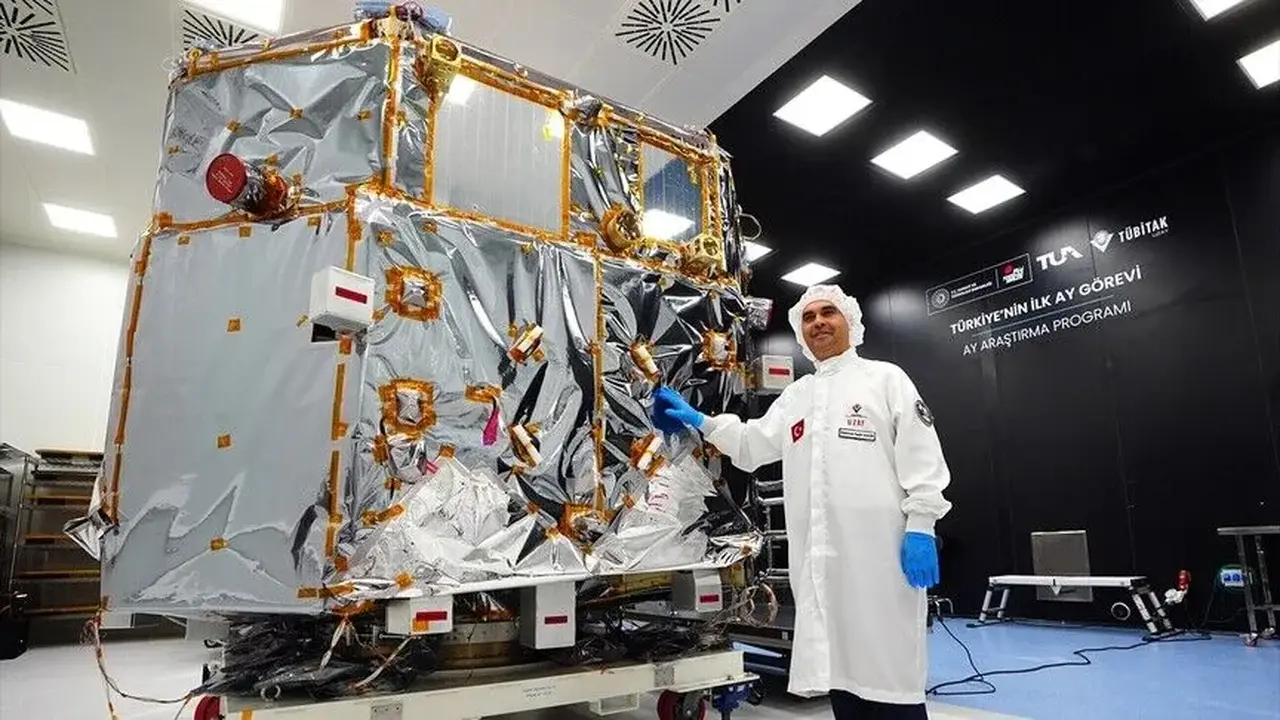
Turkey has reached a pivotal milestone in its ambitious National Space Program as the assembly and integration of its first lunar spacecraft are officially complete. Developed by TÜBİTAK UZAY, the approximately 3.5-ton vehicle has been transferred to the Turkish Aerospace Industries (TUSAŞ) Space Systems Integration and Test Center (USET) to undergo rigorous environmental testing. As the nation prepares for its maiden deep space mission, government officials confirmed that the launch is scheduled for the early months of 2027 from the Kennedy Space Center in the United States, marking a major step toward Turkey becoming the ninth country to conduct a lunar mission.
- The lunar spacecraft features over 80 percent domestic components and utilizes 100 percent locally developed software.
- The vehicle will orbit the Moon for at least three months to conduct scientific research before attempting a controlled landing.
- Turkey plans to test its proprietary hybrid rocket engine technology in deep space for the first time during this mission.
- The overall progress of the lunar exploration program has reached 77 percent completion according to official reports.
The development of this spacecraft marks a significant transition from satellite technology to deep space exploration. By leveraging expertise gained from previous projects like İMECE and TÜRKSAT 6A, engineers have successfully integrated critical systems such as flight computers, thermal control, and propulsion into the lunar vehicle. This mission represents a strategic effort to cultivate a broader domestic technology ecosystem that will support future interplanetary endeavors.
The Spacecraft Undergoes Critical Environmental Tests
Before the spacecraft can be cleared for launch, it must survive a series of strenuous evaluations at the USET facility. Engineers will conduct thermal vacuum tests to simulate the harsh conditions of space, along with structural assessments to ensure the vessel can withstand the intense vibrations of a rocket launch. 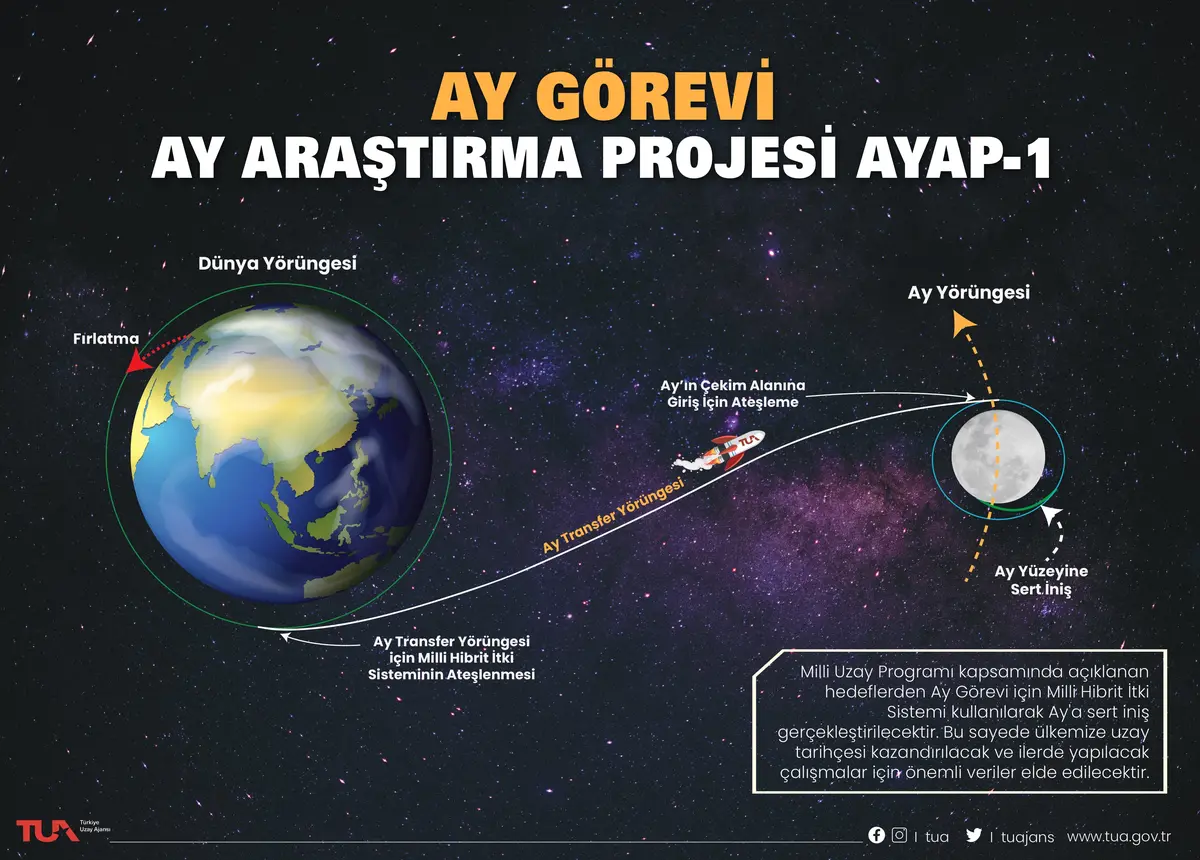 These tests, which are expected to span several months, will verify that all systems—including communication and electromagnetic compatibility—function in perfect harmony. Following these evaluations, final checks will occur at a new specialized clean room facility before the hardware is shipped to the United States.
The Mission Will Explore Lunar Characteristics
Upon reaching its destination in 2027, the spacecraft will enter a polar, circular orbit approximately 100 kilometers above the lunar surface. The mission objectives include studying the interaction between solar winds and the Moon, investigating water formation mechanisms, and mapping magnetic fields. The collected data on the lunar radiation environment will be instrumental for future research. While the primary mission is planned for three months, officials aim to extend operations for up to 1.5 years if performance metrics remain stable.
The Project Will Conclude on the Lunar Surface
The mission will culminate in a controlled descent to the Moon’s surface. A critical component of this phase is the domestically developed hybrid propulsion system, which will provide the necessary thrust for orbital maneuvers and the final landing procedure. 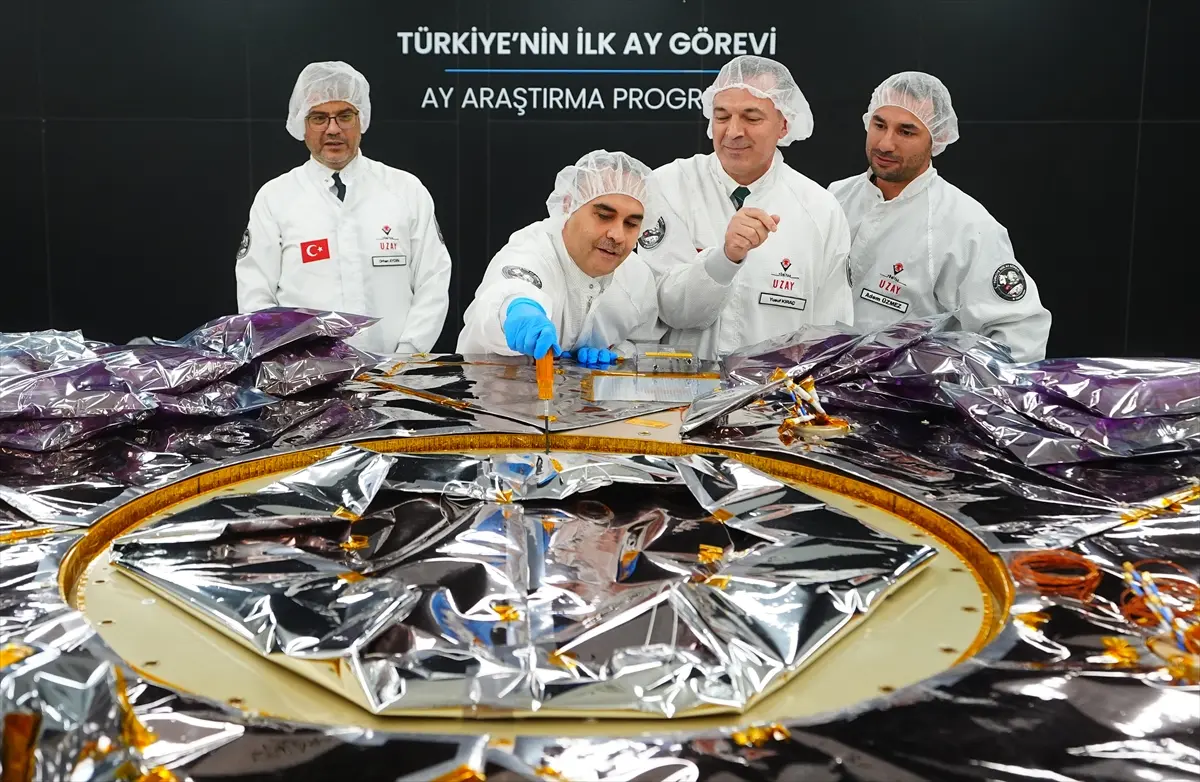 This will mark the first time a Turkish-made hybrid engine is fired in deep space, demonstrating the country’s growing autonomy in aerospace engineering. The success of this landing would solidify Turkey’s position among the elite group of nations capable of conducting complex lunar exploration.
Future Space Programs Are Being Developed
Beyond the lunar mission, Turkey continues to advance its broader aerospace strategy. Work has already commenced on the TÜRKSAT 7A satellite, which will feature advanced high-speed data transmission capabilities. Furthermore, plans for the next-generation İMECE-2 and İMECE-3 satellite constellations are underway to enhance the country’s high-resolution imaging capacity. By collaborating with local startups and research institutions, Turkey is building a robust foundation for long-term space exploration.
As Turkey prepares to make its mark on the Moon, we want to hear your thoughts on this historic endeavor. Do you believe this mission will spark a new era for local aerospace innovation? Share your predictions and comments with us below.
Your comment has been submitted,
it will be published after approval.