
Donald Trump and Jensen Huang Discuss the Future of AI

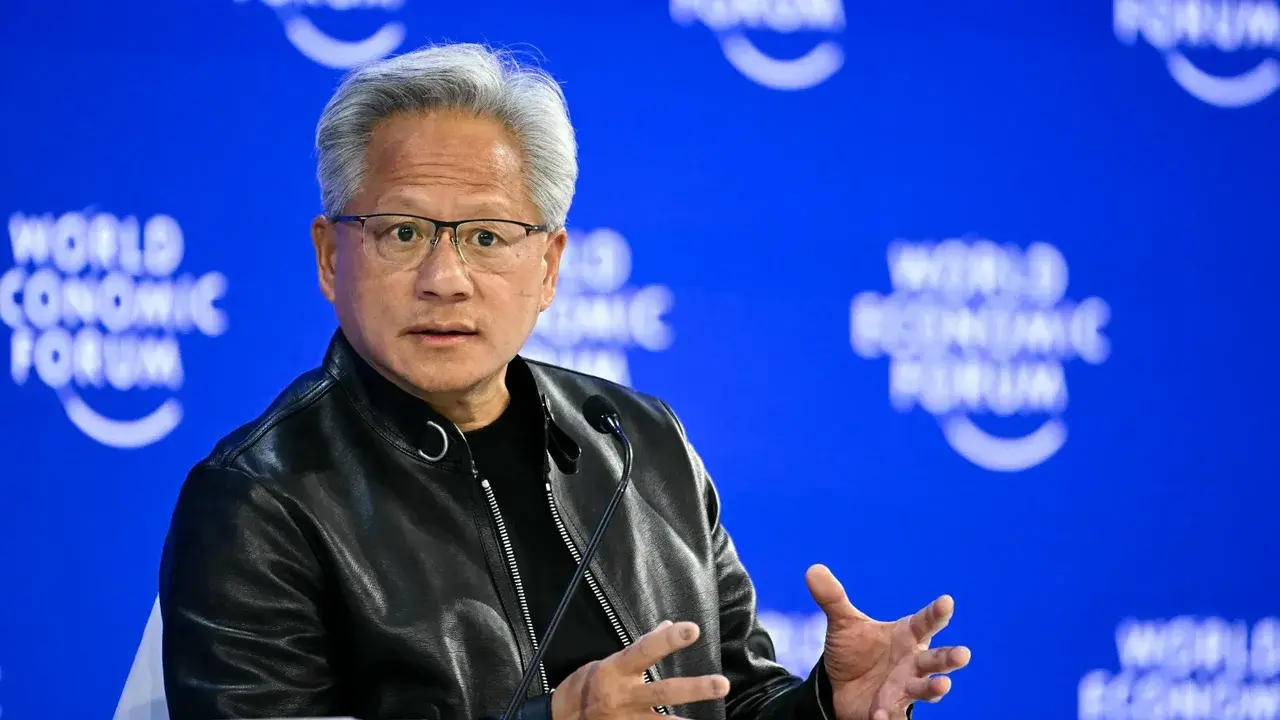
In a surprising turn of events during the All-In Summit in Los Angeles on September 14, 2026, Nvidia CEO Jensen Huang received a live phone call from former President Donald Trump while on stage. Accompanied by prominent figures like Chamath Palihapitiya and Jason Calacanis, Huang broadcasted the conversation to the audience, sparking a major debate regarding the trajectory of artificial intelligence development. The discussion centered on maintaining American dominance in the sector, as Trump firmly rejected calls to slow down AI advancement, framing such efforts as detrimental to the nation’s economic growth and global competitiveness.
- Donald Trump explicitly opposed calls to decelerate artificial intelligence progress during a live conversation with Nvidia CEO Jensen Huang.
- Public sentiment data from Gallup indicates that 70 percent of respondents express opposition to the construction of data centers in their local communities.
- The debate underscores a growing tension between the rapid infrastructure requirements of the tech industry and rising environmental and social concerns.
Trump Rejects Calls to Slow AI Progress
The conversation between Huang and Trump surfaced amidst industry-wide debates triggered by Anthropic CEO Dario Amodei, who previously advocated for a more cautious approach to AI development. While some industry leaders like Elon Musk and Sam Altman have voiced similar concerns regarding the pace of innovation, Trump dismissed these suggestions during the summit. He characterized the push for deceleration as an attempt by external forces to hinder American economic potential. By aligning with Huang, Trump emphasized that the United States must retain its leadership position in the global technological race at all costs.
Public Resistance Towards Data Center Expansion Continues
While the political dialogue at the summit prioritized industrial growth, the practical reality of scaling AI infrastructure faces significant public backlash. The expansion of the industry requires massive data center facilities, which are increasingly meeting local opposition. According to recent survey data from Gallup, nearly 70 percent of participants oppose the establishment of these centers in their neighborhoods. The primary grievances cited by the public include potential depletion of local environmental resources and concerns regarding diminished quality of life caused by the rising costs associated with these massive industrial sites.
Government Leaders Balance Growth With Public Concern
Despite the strong public disapproval regarding physical infrastructure, Trump acknowledged that while caution is necessary, the industry’s progress should not be obstructed. He and various political allies maintain the narrative that the resistance to data centers may be fueled by strategic external influences aimed at weakening the U.S. technology sector. Y Combinator CEO Garry Tan is among those who have expressed support for this perspective. The dialogue between the Nvidia executive and the former president highlighted a significant commitment to ensuring that the technical and physical requirements for future artificial intelligence systems remain a top national priority.
As the intersection of policy and innovation becomes increasingly critical, the tension between industrial scaling and community impact remains a key focal point for regulators. The incident at the All-In Summit serves as a stark reminder that the future of the technological landscape will be shaped as much by political willpower as it is by silicon and code.
How do you believe the government should balance the need for rapid AI infrastructure growth with the environmental and social concerns of local communities? Share your thoughts in the comments section below.
Your comment has been submitted,
it will be published after approval.