
Tesla Robotaxi Takes 70 Minutes for 10-Minute Austin Trip


A recent Tesla Robotaxi trip in Austin, Texas, turned into a frustrating ordeal for a passenger when a routine 10-minute commute stretched into a 70-minute journey. The incident, which highlights the current limitations of Tesla’s autonomous vehicle software, occurred because the vehicle is strictly prohibited from using highways and certain railway crossings. By being forced to navigate exclusively through slower, local city streets, the vehicle took a significantly longer route than a human driver would have chosen. This experience sheds light on the operational constraints currently surrounding Tesla’s self-driving technology in urban environments.
- Tesla’s Cybercab models are currently restricted from operating on highways and crossing specific railway lines in Austin.
- The passenger experienced a 70-minute commute for a distance that typically requires only 10 minutes to travel.
- Tesla software currently fails to provide users with estimated travel times or route previews before the ride begins.
- The lack of highway access places Tesla at a competitive disadvantage compared to rivals like Waymo.
Strict Software Constraints Determine Route Selection
The core issue stems from Tesla’s conservative approach to autonomous navigation. To prioritize safety and comply with current operational boundaries, the Cybercab is programmed to avoid high-speed highways and complex rail crossings entirely. 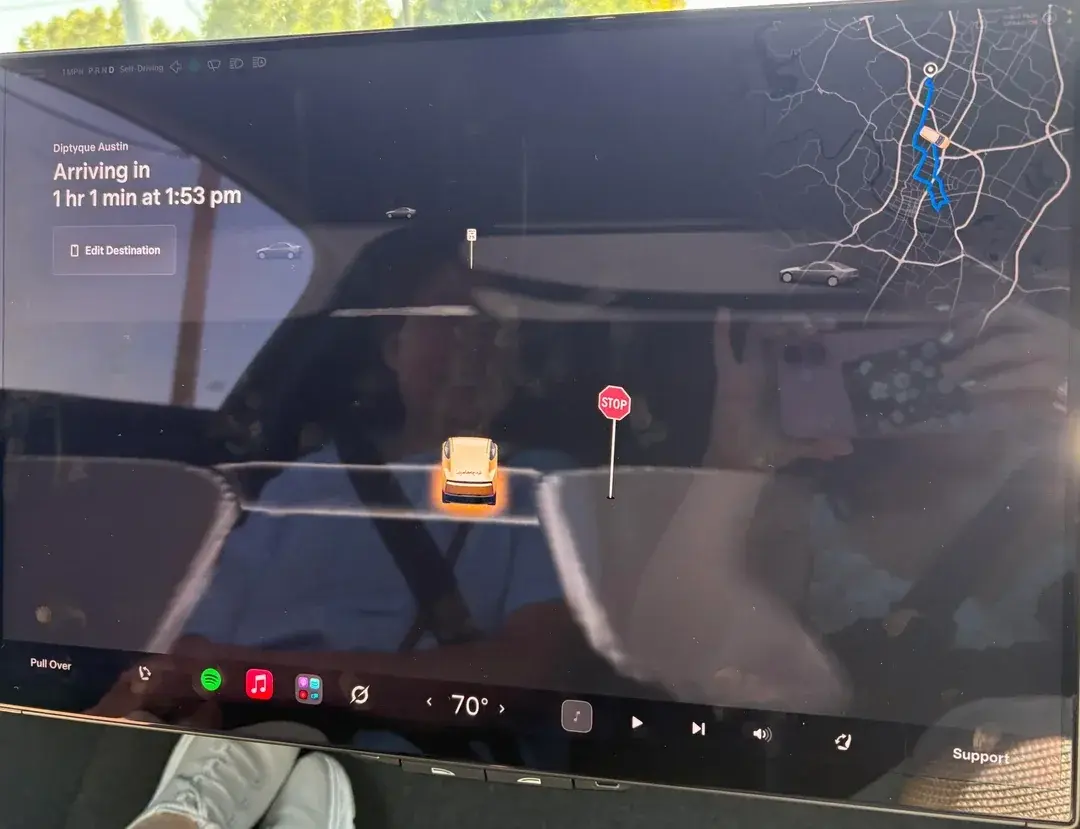 While this ensures the vehicle remains within its “safe” operating zone, it often leads to inefficient routing that ignores the fastest path in favor of simpler, lower-speed roads. During this specific trip, the passenger noted that the car seemed to wander through the city, adding significant distance to what should have been a direct transit.
Furthermore, the lack of transparency regarding the route is a notable concern for users. At the start of the trip, the application does not display a projected travel time or a visual map of the intended path. Consequently, passengers are often left unaware that their journey will take over an hour until they are already in motion. 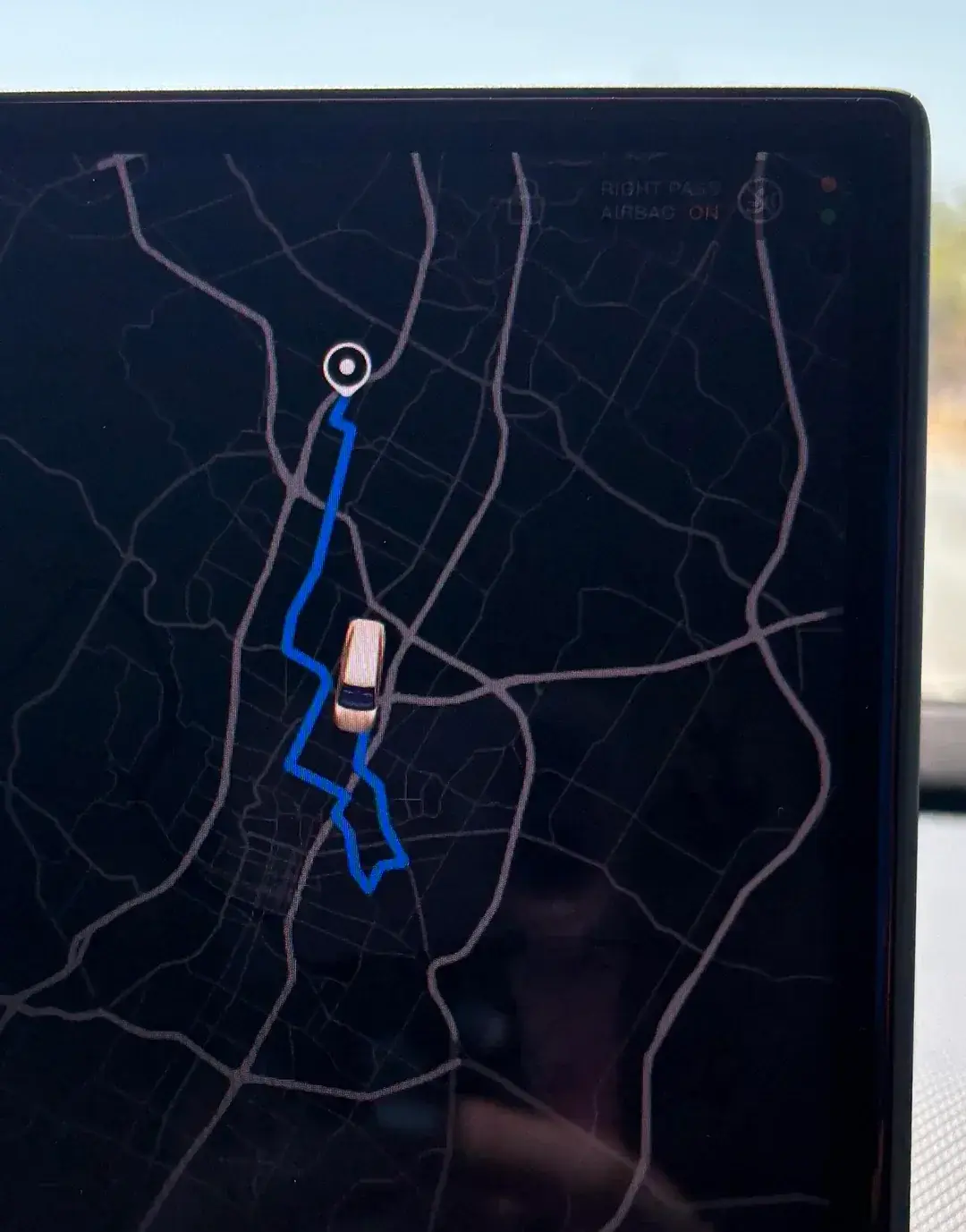 Despite the lengthy duration, the service charged a flat rate of 20 dollars, which is consistent with market standards but arguably poor value given the substantial time loss.
Competitors Are Gaining a Performance Edge
The current state of Tesla’s robotaxi fleet highlights a widening gap between the company and its primary competitors. Companies such as Waymo have already demonstrated the ability to integrate their fully autonomous vehicles onto highway systems, resulting in significantly faster and more practical transit times. Tesla’s inability to match this level of autonomy suggests that their current software architecture is not yet ready for the complexities of high-speed traffic or more diverse route planning.
This limitation is not exclusive to the newer Cybercab models; Tesla’s fleet of Model Y vehicles operating as robotaxis face identical software restrictions. As long as these safety protocols remain in place, users should expect to encounter similar route inefficiencies. While Tesla continuously updates its autonomous driving software, the fundamental reliance on slow-speed, surface-level roads continues to hinder the overall utility of the service. Whether the company will eventually lift these restrictions remains a major point of discussion among industry analysts and regular commuters alike.
We are curious to hear your take on the future of autonomous transport. Do you believe that the safety benefits of avoiding highways justify such significant delays in daily travel, or should manufacturers prioritize speed and efficiency? Share your thoughts in the comments section below.
Your comment has been submitted,
it will be published after approval.