
SpaceX Sets September 22 Date for New Starship Orbit Attempt


SpaceX has officially scheduled the 14th test flight of its massive Starship rocket, with a primary mission objective to successfully reach Earth’s orbit. The ambitious operation is slated to take place on September 22, with a 75-minute launch window beginning at 7:15 AM local time. As SpaceX continues its aggressive development schedule, this mission represents a critical milestone for both the company’s reusable launch architecture and its expanding internet satellite network. Engineers are aiming to demonstrate long-term orbital capabilities while building upon the data gathered from previous test flights conducted earlier this year.
- The upcoming Starship mission aims to deploy 26 third-generation Starlink satellites into orbit.
- SpaceX has implemented significant hardware and software upgrades to the Super Heavy booster following previous engine concerns.
- The company will forgo high-risk maneuvers like tower catches to ensure the mission remains focused on orbital insertion.
- Successful deployment would mark the first time the Starship program generates revenue through commercial satellite delivery.
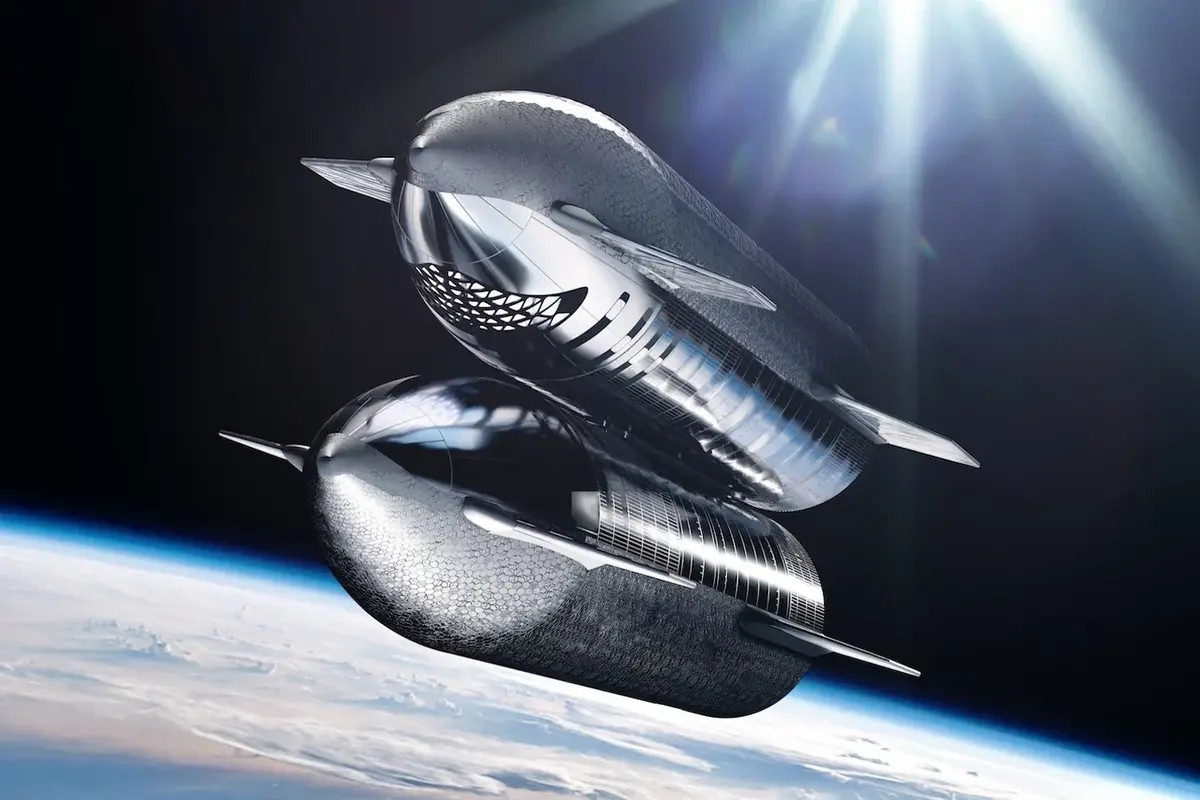
SpaceX Targets Commercial Success with Starlink Deployment
This upcoming flight carries substantial weight for the future of the Starship program. During the mission, SpaceX plans to deploy its first batch of third-generation Starlink satellites. This attempt serves as a pivot toward making the Starship system a commercially viable vehicle. Although a previous test in July successfully deployed satellites, those units were lost shortly after entering the atmosphere. By refining the delivery process, the company seeks to prove that its next-generation launch system can operate as a reliable workhorse for its global internet constellation.
Engineers Prioritize Mission Safety and Reliability
In a strategic shift, leadership at SpaceX has confirmed that certain high-risk operations will be excluded from this specific test flight. Specifically, the team will not attempt to catch the Super Heavy booster at the launch tower. Elon Musk emphasized that avoiding an explosive failure is paramount to maintaining the project’s current momentum. This decision follows technical difficulties observed in the 13th flight, where engine ignition anomalies hampered the booster’s performance. By simplifying the flight profile, the engineering team intends to prioritize data collection over complex recovery maneuvers.
Technical Improvements Enhance Heat Shield Performance
Following the telemetry data captured during the July flight, SpaceX engineers have introduced comprehensive upgrades to the vehicle. The primary focus has been on the Starship’s heat shield, which underwent significant modifications to better withstand the stresses of atmospheric re-entry. During the previous mission, even though the upper stage failed to achieve a stable orbit, it successfully performed a controlled descent simulation over the Indian Ocean. The ability of the craft to remain intact on the water’s surface provided engineers with vital information, which has since been integrated into the current iteration of the rocket.
Transitioning Away from Falcon Rocket Fleet
The long-term vision for the Starship program involves a total replacement of the existing Falcon 9 and Falcon Heavy fleets. SpaceX has invested billions of dollars into this system, viewing it as the necessary successor for all future orbital logistics. Elon Musk has repeatedly stated that the company will fully commit to the Starship platform once it demonstrates the capability to fly safely and frequently. Achieving a consistent orbital flight path on September 22 will be a defining step toward this transition and the realization of Musk’s goals for rapid, fully reusable space transportation.
We are eager to hear your thoughts on this upcoming launch; do you believe SpaceX will finally achieve a stable orbit with this Starship mission, or will technical challenges persist?
Your comment has been submitted,
it will be published after approval.