
US Air Force Plans to Field 500 Combat Drones by 2032

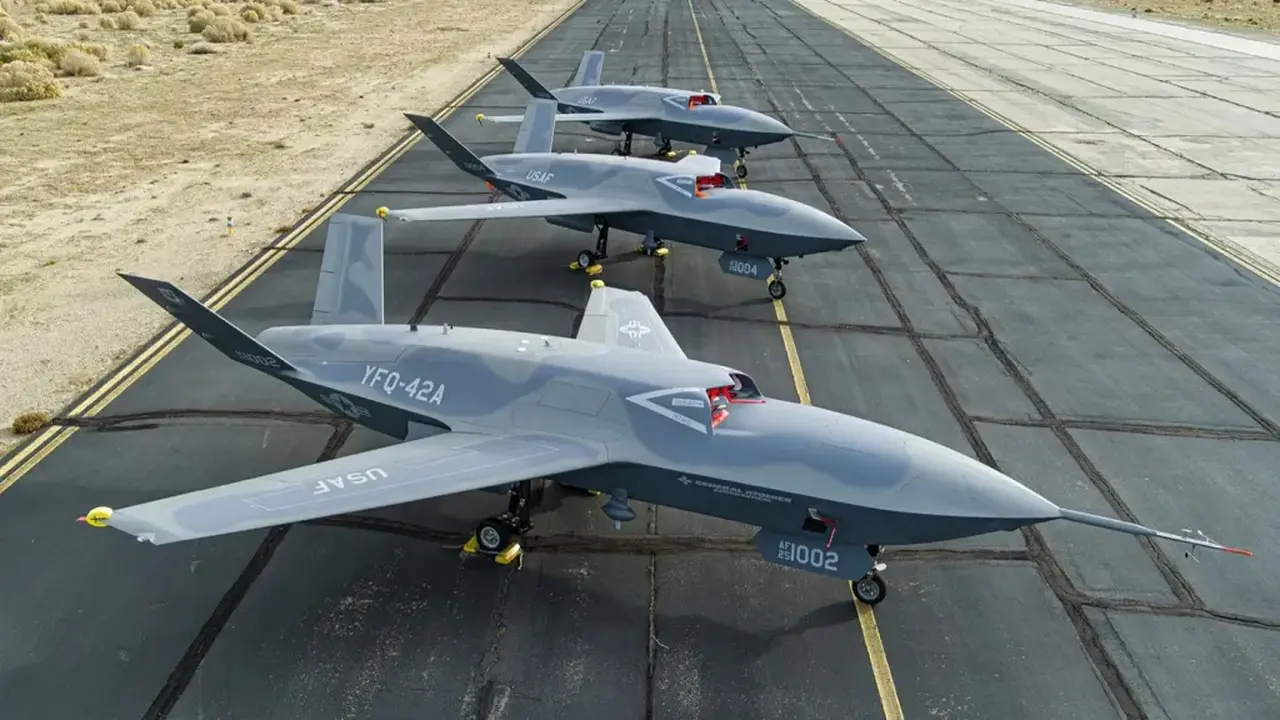
The United States Air Force is set to fundamentally reshape its future aerial capabilities by integrating a massive fleet of autonomous systems into its ranks. During the Air, Space & Cyber Conference held on September 14, Air Force Secretary Troy Meink officially announced an ambitious roadmap to field 500 combat-ready, semi-autonomous Collaborative Combat Aircraft (CCA) by 2032. This strategic initiative serves as a cornerstone for modernizing American air power, with an ultimate goal of deploying approximately 1,000 unmanned platforms to support manned fighters. By incorporating these advanced systems, the military aims to significantly extend the operational range, situational awareness, and combat survivability of its existing aircraft inventory in contested environments.
- The U.S. Air Force intends to deploy 500 semi-autonomous Collaborative Combat Aircraft by the year 2032.
- General Atomics and Anduril have been selected to produce the first increment of these unmanned combat platforms.
- The YFQ-44A drone successfully demonstrated its lethality by firing an AIM-120 missile at a digital target during a July 2026 test.
- The military strategy combines 500 CCA units with 500 Massed Modular Aircraft to scale air power efficiently.
General Atomics and Anduril Lead New Production Efforts
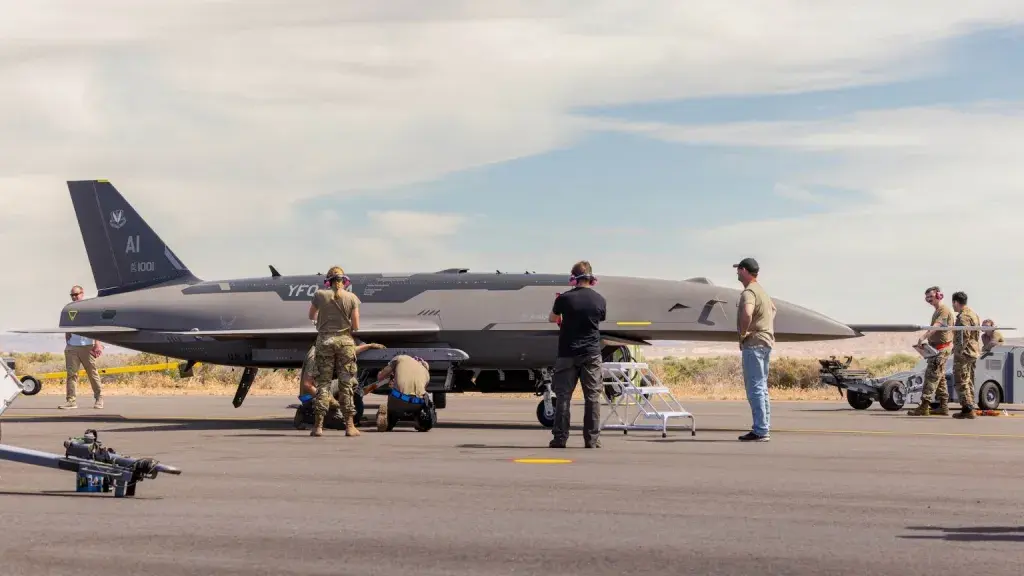
The CCA program has transitioned from conceptual design to active production, with two primary platforms currently vying for dominance. The FQ-42 Vengeance, developed by General Atomics, and the FQ-44 Fury, designed by Anduril, represent the first generation of these collaborative assets. In June, the Air Force initiated the procurement process for an initial batch of 150 aircraft, marking a critical milestone in the transition toward a pilotless, semi-autonomous operational model that functions alongside human-crewed jets.
The FQ-44 Fury Completes Live Fire Testing
The program has already moved beyond simple flight testing into the realm of tactical utility. In a significant display of progress, the YFQ-44A successfully engaged a digital target using an AIM-120 missile during a live-fire test in July 2026. This achievement confirms the seamless integration of weapon systems into the unmanned architecture, proving that these drones are capable of performing high-stakes offensive maneuvers traditionally reserved for human-piloted aircraft.
Manned and Unmanned Teams Operate Together
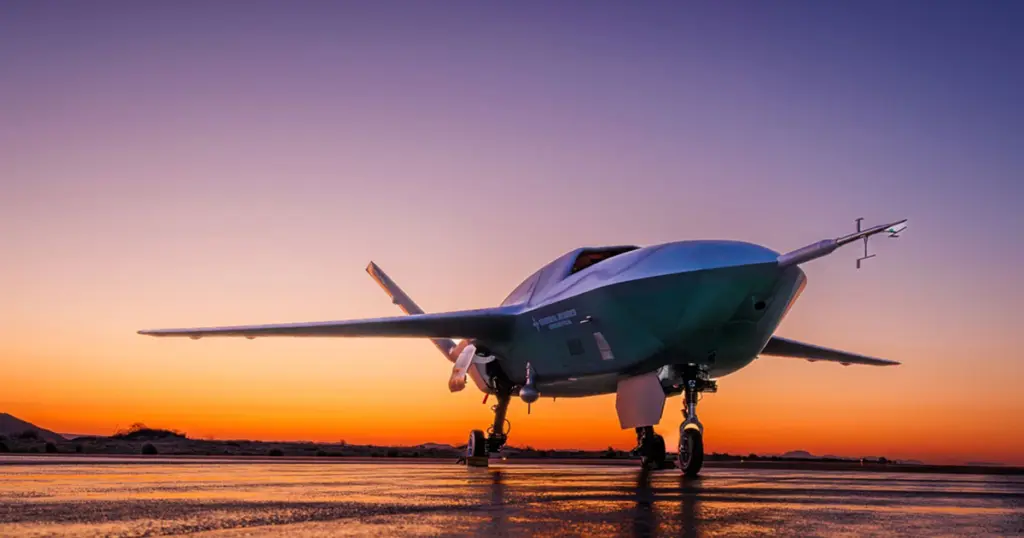
The core philosophy behind the CCA concept centers on the synergy between manned fighters and unmanned support aircraft. These drones are intended to serve as force multipliers, operating ahead of or alongside manned jets to perform reconnaissance, electronic warfare, and precision strikes. By utilizing an open-architecture design, the Air Force ensures that mission software remains modular, allowing for the rapid integration of new technologies without requiring complete system overhauls.
The Air Force Expands Its Unmanned Fleet Goals
The 2032 objective extends beyond the standard CCA fleet. The Air Force plans to complement these assets with 500 Massed Modular Aircraft (MMA), which are designed to be more cost-effective solutions for reconnaissance and offensive support. By combining the capabilities of both classes, the military expects to field a total of 1,000 new unmanned systems by the next decade. This approach prioritizes scaling air power through volume rather than relying solely on the procurement of increasingly expensive, human-crewed fighter jets.
The Future of Combat Architecture Changes
As the U.S. looks toward the 2030s, the integration of these drones will mark a shift in how air superiority is contested. By reducing the risks posed to human pilots and increasing the density of firepower on the battlefield, the Air Force is evolving its traditional combat structure. If these milestones are met, the next decade will witness unmanned aircraft shifting from secondary support tools into essential pillars of modern military engagement.
How do you think the integration of 1,000 autonomous drones will change the dynamics of future air warfare? Share your thoughts and predictions in the comments section below.
Your comment has been submitted,
it will be published after approval.