
US Air Force Secretary Confirms Active Space Control Weapons

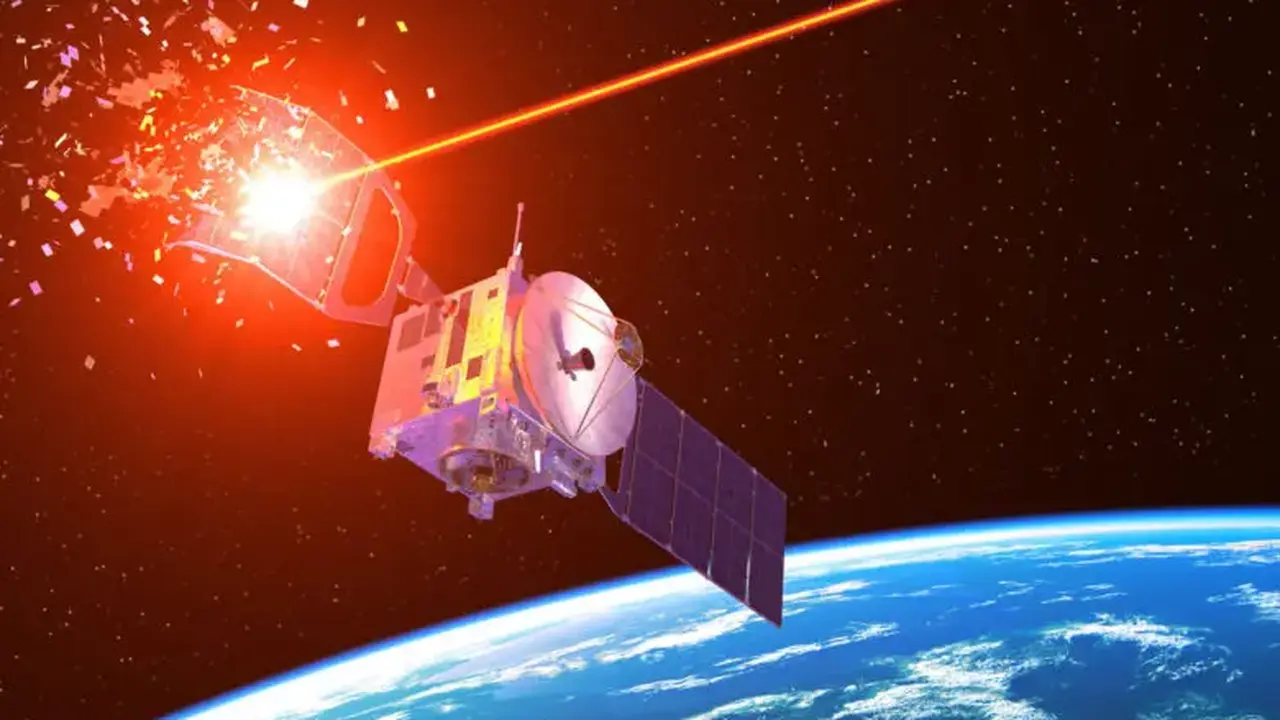
In a historic acknowledgment at the Air, Space & Cyber Conference held on September 14, US Air Force Secretary Troy Meink officially confirmed that the United States Space Force possesses active “space control weapons” currently in orbit. This statement marks the first time a high-ranking US official has publicly admitted that the American military maintains operational weapon systems in space to defend joint forces against hostile activities. While the exact specifications of these systems remain classified, the admission underscores a significant shift in global space policy as Washington moves toward acknowledging the orbital environment as a contested theater of military operations.
- Secretary Troy Meink confirmed the presence of operational space control weapons in orbit.
- The US military intends to use these systems to counter potential threats from adversaries in space.
- The Pentagon maintains strict secrecy regarding the specific technical capabilities of these orbital weapons.
- This development reflects the growing military competition between the US, China, and Russia in the orbital domain.
The Pentagon Maintains Secrecy Regarding System Capabilities
Despite the official confirmation, the Pentagon has deliberately withheld specific technical details concerning the nature of these space control weapons. It remains unclear whether these systems are designed for kinetic destruction, such as anti-satellite missiles, or if they rely on non-kinetic methods like electronic jamming, high-powered lasers, or electromagnetic interference. Military analysts suggest that the US may prioritize non-kinetic solutions to avoid creating hazardous orbital debris, which could endanger global satellite infrastructure.
By keeping the operational mechanics classified, the US maintains a strategic ambiguity that serves as a core element of its deterrence strategy. Secretary Meink emphasized that the development of these capabilities was a necessary response to rising threats, asserting that protecting American dominance in the space domain is vital for national security. The lack of public data regarding these systems leaves experts to speculate on the extent of the military’s reach beyond Earth’s atmosphere.
Global Competition Drives Military Escalation in Space
The timing of this announcement aligns with the increasing military focus of rival powers, particularly Russia and China. In recent years, US intelligence has monitored substantial advancements by these nations in counter-space technologies, including satellite-to-satellite maneuvering and anti-satellite weapon testing. Consequently, Washington no longer views space as a sanctuary for peaceful communication and scientific exploration, but rather as an active, volatile combat zone.
The shift in perspective is driving a broader transformation in the US military posture. Beyond the current systems in orbit, the Space Force is actively developing advanced space-based missile defense architectures and enhanced surveillance networks. These initiatives aim to ensure that the US can effectively monitor and respond to any hostile actions taken by adversaries, effectively extending the terrestrial battlefield into the vacuum of space.
The Future of Orbital Warfare is Uncertain
As the international community grapples with the implications of this disclosure, the focus has shifted from whether the US has space weapons to what these weapons are capable of achieving. The official recognition of these systems signals that the era of denying the militarization of space has effectively ended. Future developments will likely depend on how international norms evolve and whether major powers can reach any form of consensus regarding the conduct of military activities in orbit. The geopolitical landscape is undeniably becoming more complex as the boundaries of modern warfare expand permanently into the stars.
What are your thoughts on the militarization of the orbital environment and the implications this has for global security? Please share your perspective in the comments section below.
Your comment has been submitted,
it will be published after approval.