
Apple Introduces Advanced iPhone Data Erasure Feature for China

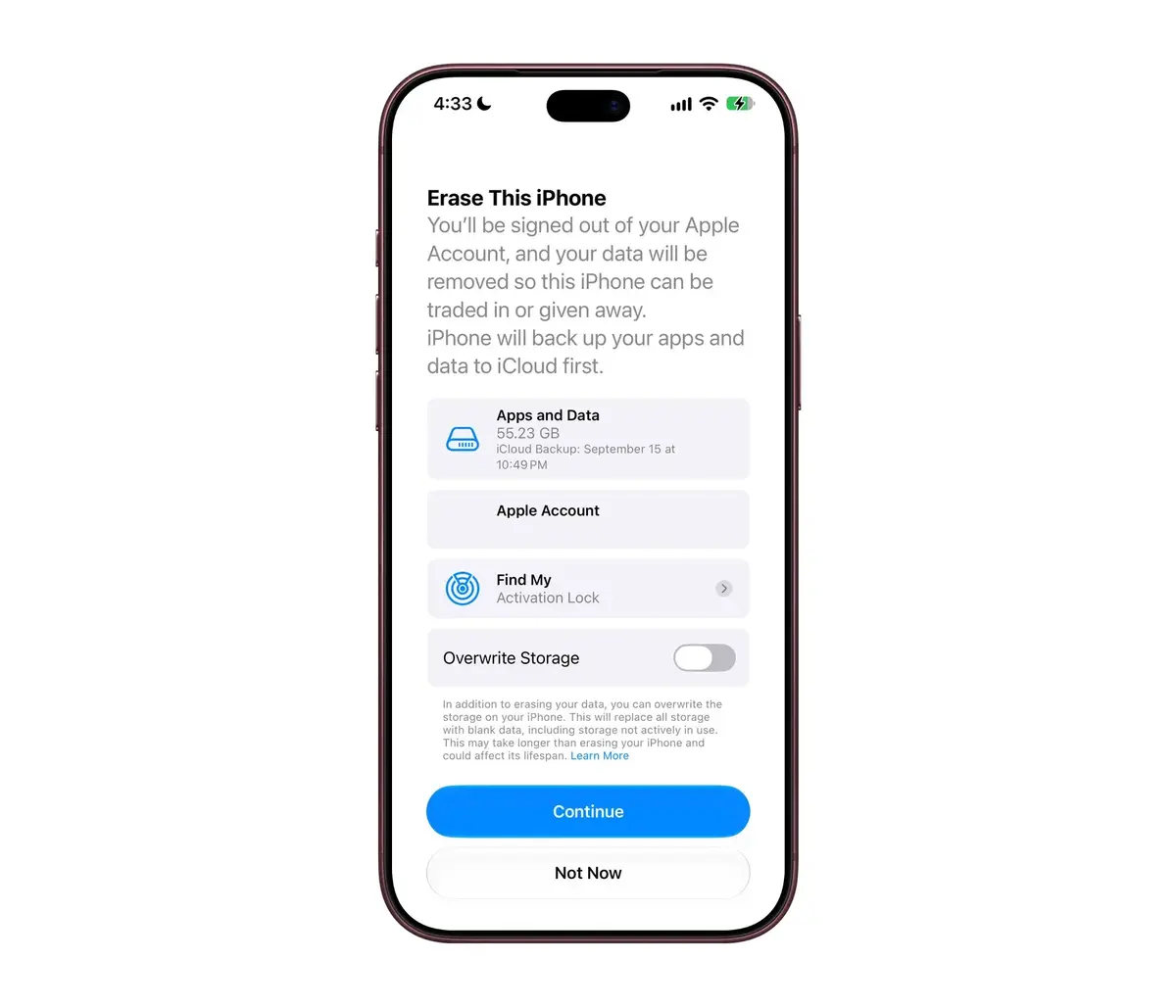
Apple has initiated testing of a comprehensive iPhone data erasure feature within the iOS 27.2 beta 1 release, specifically designed to ensure complete storage sanitation. This new functionality goes beyond standard cryptographic key destruction by actively overwriting the entire flash storage capacity with random, meaningless data. While Apple’s traditional security model relies on rendering data inaccessible via encryption key deletion, this update introduces a more physical approach to data removal. Currently, this advanced cleaning process is being rolled out as a specialized compliance measure for the Chinese market to meet upcoming regulatory requirements that mandate more rigorous device sanitization standards.
- Apple is implementing a new data overwriting feature in iOS 27.2 beta to ensure full storage sanitation.
- The update aligns with China’s GB 46864-2025 standard requiring physical data overwriting on electronic devices.
- This feature will extend beyond iPhones to include iPad, HomePod, and Apple Vision Pro models.
- The process requires significantly more time and system resources than standard cryptographic erasure methods.
New Regulations Dictate Stricter Data Standards
The introduction of this feature is directly linked to the upcoming GB 46864-2025 standard in China, which takes effect on January 1, 2027. This regulation forces manufacturers to provide users with tools that physically overwrite data on flash storage units at least once. By integrating this into the operating system, Apple ensures that its devices remain compliant with the local legal landscape. Unlike the standard deletion method, which is virtually instantaneous, this new option ensures that no residual data remains on the hardware, providing a higher level of assurance for privacy-conscious users in the region.
Hardware Impact Remains a Primary Concern
Apple has explicitly warned users that this intensive cleaning process is not just a standard software command. Because it involves writing new data across every sector of the storage medium, the operation is significantly more time-consuming than traditional methods. Furthermore, the company has indicated that frequent use of this feature could potentially affect the long-term lifespan of the flash storage components. This trade-off between absolute data destruction and hardware longevity is a critical consideration for users who might feel compelled to use the feature before selling or transferring their devices.
Support Expands Across the Apple Ecosystem
The scope of this update is not limited to the iPhone lineup. Code references found within the beta software suggest that the functionality is being built into the core of the Apple ecosystem. Devices such as the iPad, HomePod, and the Apple Vision Pro are expected to receive similar data wiping capabilities as the company harmonizes its security infrastructure with global regulatory shifts. While the feature is currently localized for China, industry observers are closely monitoring whether Apple will decide to offer this as an optional, advanced privacy setting for users in other parts of the world.
The debate over whether such comprehensive data scrubbing is necessary for the average consumer continues to evolve. While current encryption-based methods are widely considered sufficient by security experts, the demand for more transparent and physical erasure options is growing. As Apple continues to navigate the complex intersection of global privacy standards and regional legal requirements, the company’s approach to data lifecycle management will likely continue to shift.
We would love to hear your thoughts on this development. Do you believe that a physical, bit-by-bit data overwrite is necessary for your personal security, or is the current encryption-based method sufficient for your needs? Share your opinions in the comments section below.
Your comment has been submitted,
it will be published after approval.