
PlayStation 6 Performance Targets May Outperform RTX 5080

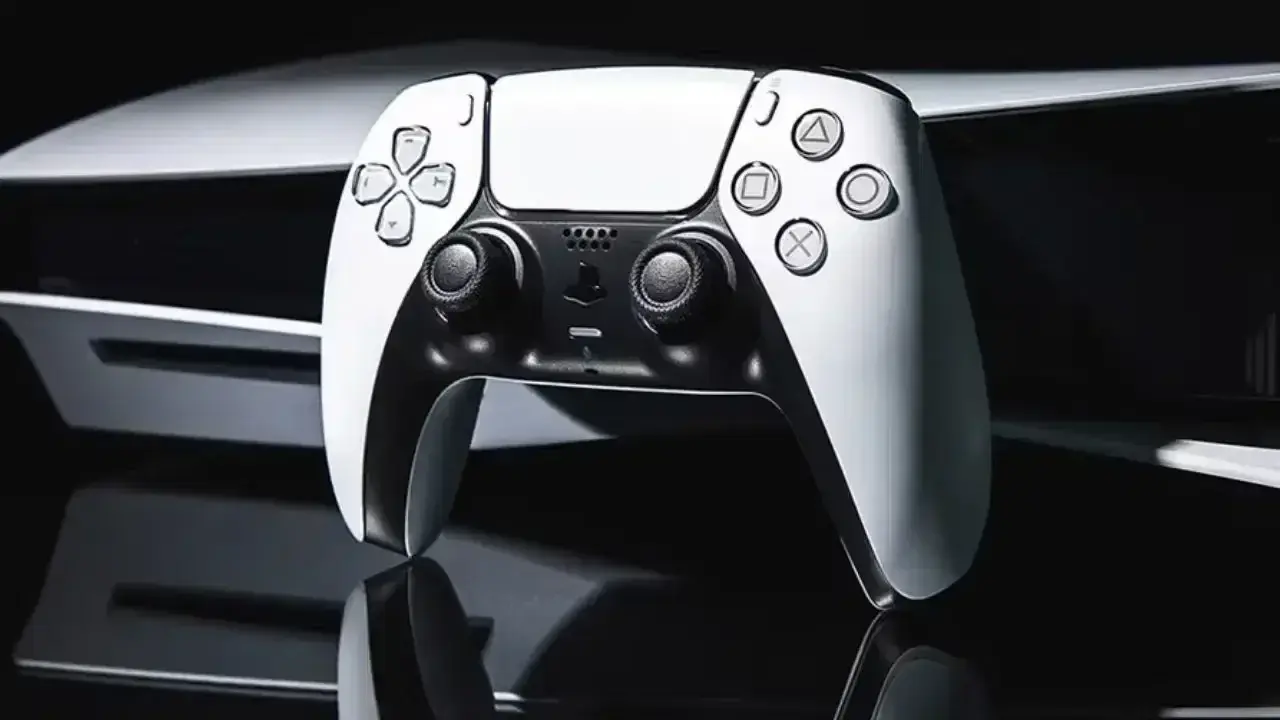
Leaked technical specifications for the upcoming PlayStation 6 suggest a significant leap in graphics performance, potentially positioning the console to rival high-end desktop hardware like the Nvidia RTX 5080. According to recent industry reports, the next-generation Sony console is expected to utilize AMD’s RDNA 5 architecture, manufactured on TSMC’s advanced 3 nm process. By integrating a specialized GPU capable of reaching 80 TFLOPS through Dual Issue support, the system aims to redefine console gaming benchmarks. These initial details provide a compelling look at how Sony plans to challenge modern PC gaming standards upon the eventual release of the hardware.
- The PlayStation 6 GPU is expected to utilize the RDNA 5 architecture with a 3.6 GHz clock speed.
- Dual Issue technology allows the console to reach theoretical performance levels of 80 TFLOPS.
- Advanced PSSR 3 scaling technology aims to boost output performance by up to 50 percent.
Technical Specifications Define the Hardware Architecture
The core of the PlayStation 6 hardware revolves around 54 compute units and a power limit set at 160W. While a standard rasterization comparison places the console within the same class as the Radeon RX 9070 XT, the RDNA 5 architecture introduces architectural efficiencies that compensate for lower compute unit counts. With clock speeds reaching 3.6 GHz, the console achieves a 15 to 20 percent performance increase per compute unit compared to previous generations. 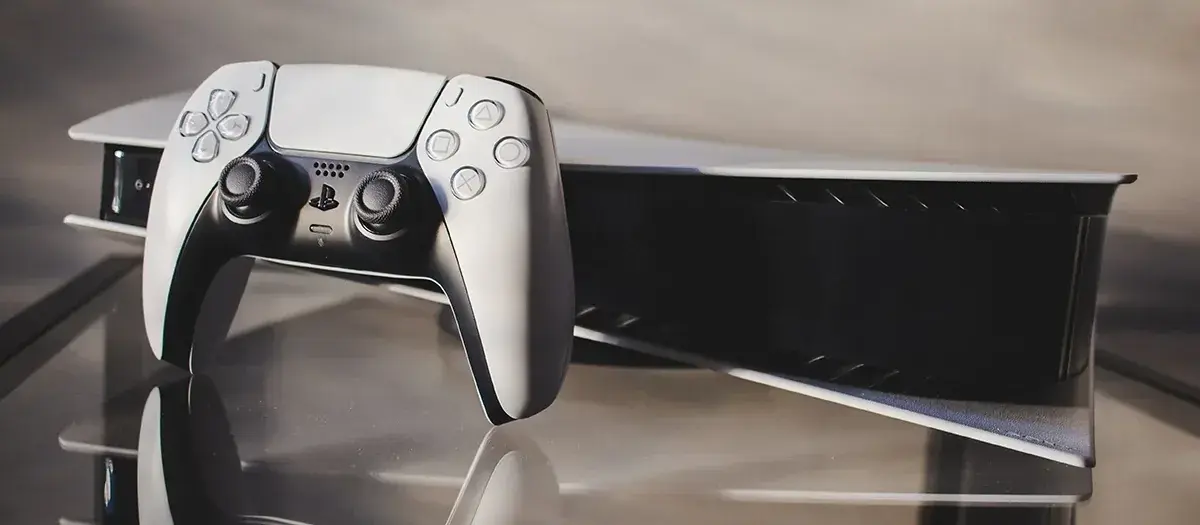
Although the RX 9070 XT maintains a slight advantage in pure, non-AI rasterization tasks due to its wider 256-bit memory bus, the PlayStation 6 is specifically optimized for modern rendering techniques. The efficiency of the memory system and the integration of the custom silicon allow the console to maintain high performance across demanding game engines, effectively balancing power consumption with output quality.
Dual Issue Support Enhances Processing Capabilities
The most notable advancement in the leaked specifications is the implementation of Dual Issue support within the RDNA 5 framework. This feature enables the parallel execution of specific instructions, which effectively doubles the FP32 computational capacity under certain conditions. Consequently, the console can surge from a nominal 40 TFLOPS to a peak of 80 TFLOPS, a figure that theoretically exceeds the 56.3 TFLOPS associated with the GeForce RTX 5080. 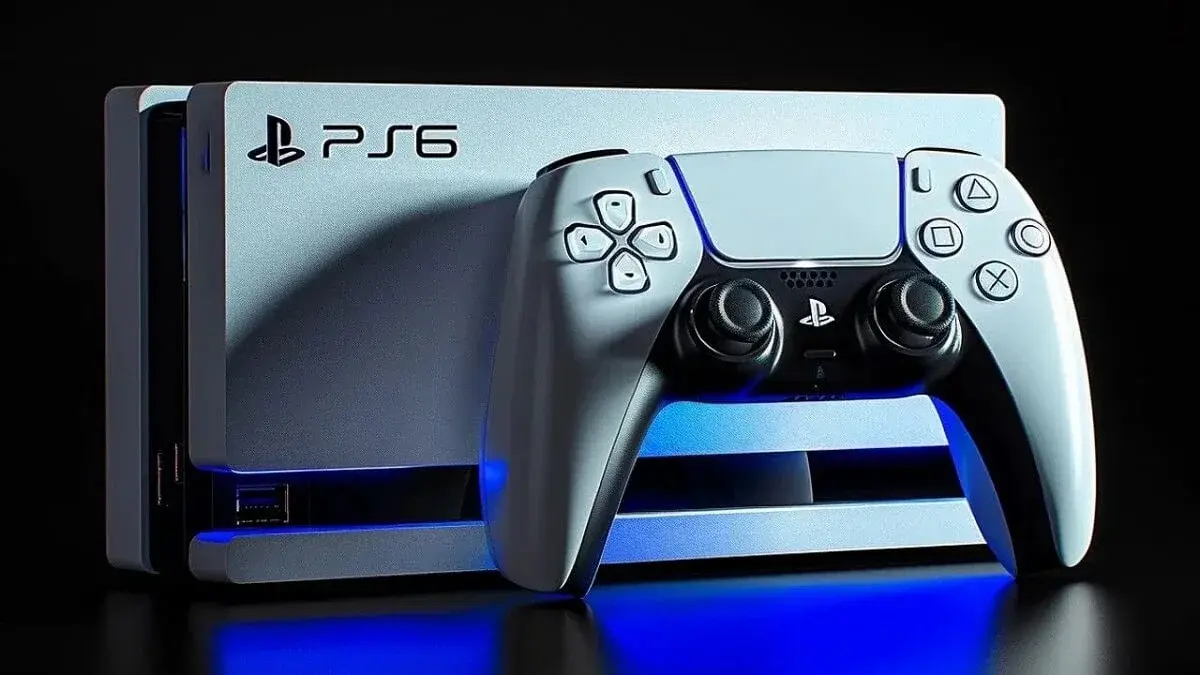
Advanced Technologies Support Future Gaming Trends
Sony appears to be prioritizing ray tracing and AI-driven image processing as primary pillars for the next generation. Projections indicate that the PlayStation 6 will outperform comparable hardware like the RX 9070 XT by 70 to 100 percent in titles utilizing full path tracing. This capability is further bolstered by the PSSR 3 upscaling technology, which is designed to enhance frame output rates by 35 to 50 percent. While these figures remain unofficial and theoretical, they highlight a strategic shift toward specialized hardware acceleration rather than simple raw power, setting the stage for a new era in console gaming.
We are curious to hear your thoughts on these ambitious performance targets; do you believe the PlayStation 6 will truly disrupt the PC gaming market, or will desktop hardware maintain its lead? Share your opinions in the comments section below.
Your comment has been submitted,
it will be published after approval.