
iFixit Tears Down iPhone 18 Pro: How Repairable Is It?

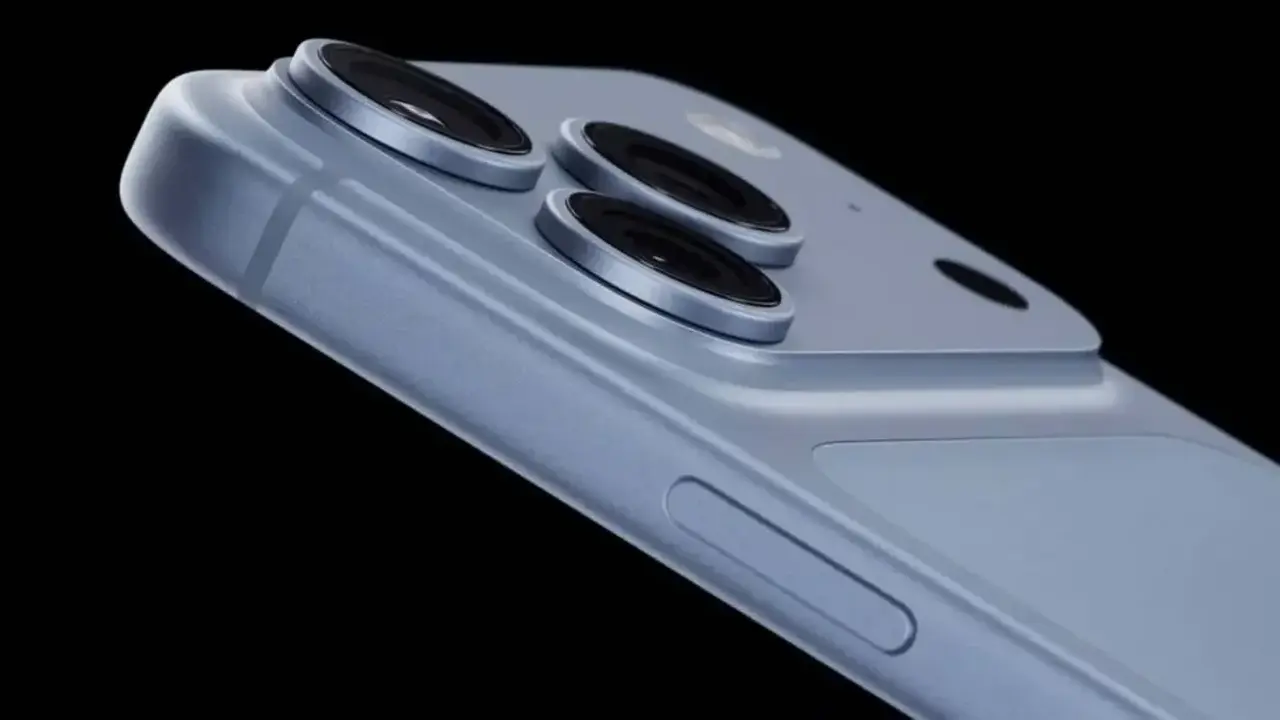
iFixit has completed a comprehensive teardown of the newly released iPhone 18 Pro, providing a detailed look into the advanced internal architecture of Apple’s latest flagship device. During the technical evaluation, the team assessed both the internal hardware innovations and the overall repairability score of the smartphone. The investigation revealed that the device maintains a repairability score of 7 out of 10, balancing complex engineering feats with modular components. While the internal layout showcases significant advancements in thermal management and camera technology, the delicate nature of the display assembly remains a notable concern for professional repair technicians.
- The iPhone 18 Pro achieved a repairability score of 7 out of 10 during the iFixit teardown process.
- Engineers integrated a mechanical variable aperture system into the primary camera module for precise light control.
- The A20 Pro chipset utilizes a vapor chamber cooling system that is three times larger than previous generations.
- Repair technicians reported that three out of four display units sustained damage during the disassembly phase.
Mechanical Diaphragm System Requires High Precision
One of the most significant hardware changes in the iPhone 18 Pro is the implementation of a six-blade mechanical aperture system within the primary camera. By utilizing precision-engineered electromagnets, the system allows for granular control over light intake. During the teardown, the iFixit team noted that the mechanism is extremely sensitive; even minor interference can cause components to shift out of place. Consequently, the company determined that independent repairs of the diaphragm are not viable. If a failure occurs, the entire camera module must be replaced as a single unit to ensure proper functionality. 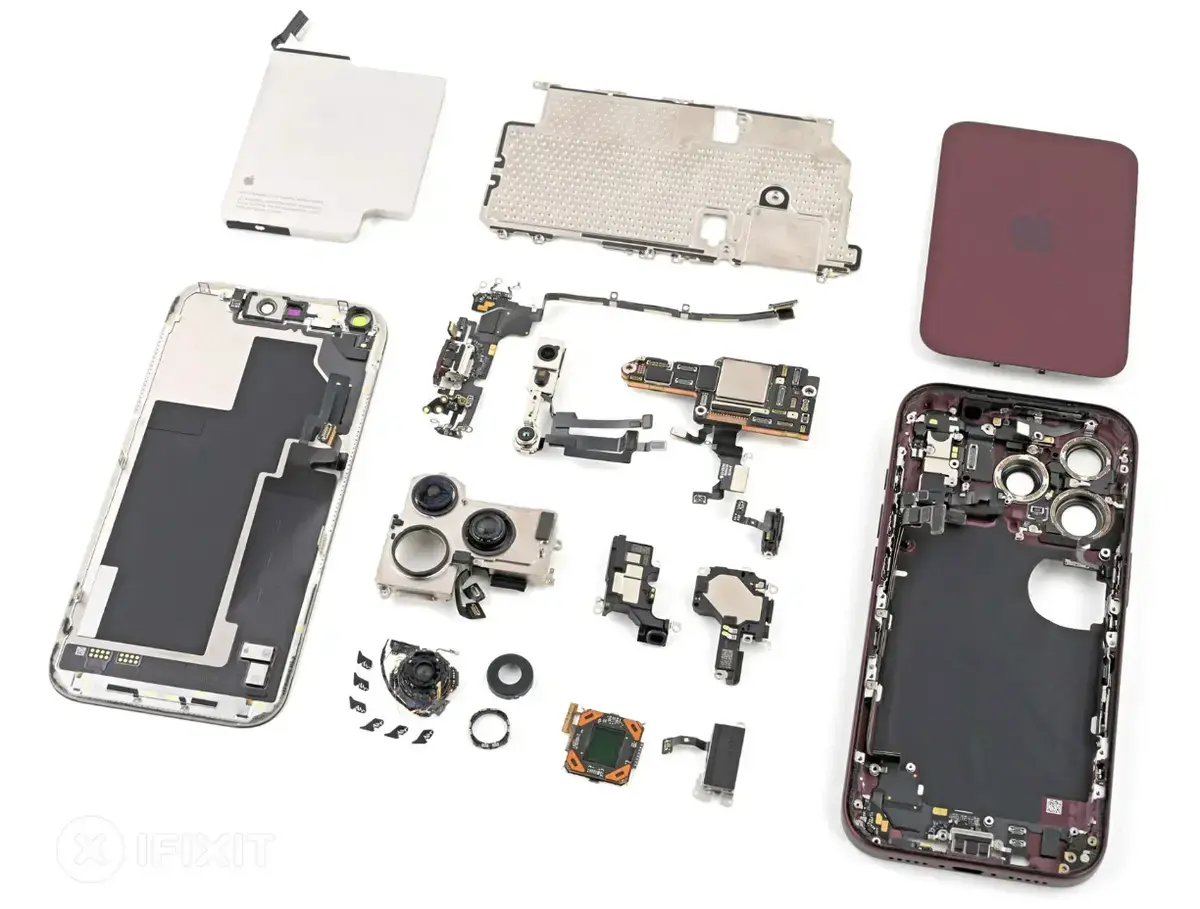
Face ID Technology Now Resides Under the Display
Apple has successfully transitioned the Face ID infrared camera array beneath the OLED panel to achieve a more seamless front-facing design. This engineering milestone required the optimization of pixel density and the application of specialized light-permeable filters to maintain sensor performance. While this design choice provides a cleaner aesthetic for the user, it significantly complicates the internal structure of the screen. The integration of sensitive sensors directly into the display layer necessitates extreme caution during any maintenance procedure involving the front panel. 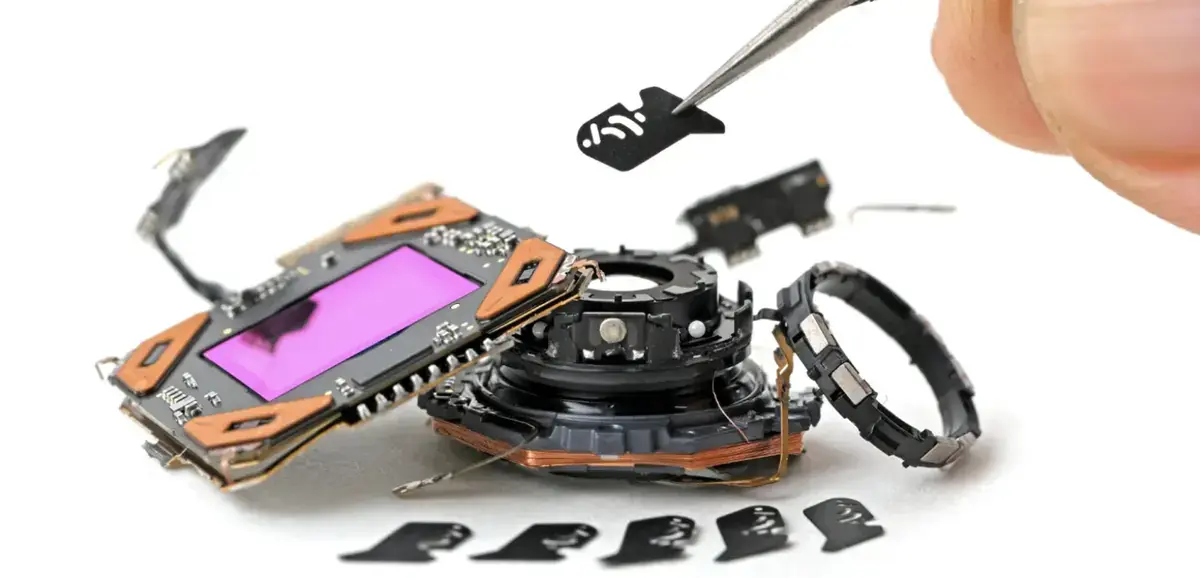
Cooling Performance Is Enhanced Significantly
To support the high-performance demands of the new A20 Pro processor, Apple has overhauled the thermal management system. The device now features a vapor chamber that is three times larger than that found in the iPhone 17 Pro, promoting better heat dissipation during intensive tasks. The internal layout places the processor and RAM modules in close proximity to maximize thermal conductivity, ensuring the device maintains peak performance under pressure. Despite these improvements, some critical components remain difficult to reach. For instance, replacing the USB-C charging port still requires the removal of nearly all internal assemblies, reflecting the ongoing challenge of balancing modularity with compact design.
Display Bezels Are Found to Be Fragile
The teardown highlighted potential durability issues regarding the screen bezels, which proved to be highly susceptible to damage. During the testing of four units, three experienced structural fractures while being removed from the chassis. This high failure rate suggests that the manufacturing process or the materials used in the frame are extremely delicate. Although Apple has made positive strides in adopting non-adhesive battery designs, the fragility of the screen assembly introduces considerable risk for repair professionals. The design appears optimized to maintain strict water-resistance standards, which unfortunately necessitates a more intrusive and risky repair process for the end user.
Given the increased complexity and delicate nature of these internal components, do you believe the performance gains in the iPhone 18 Pro are worth the difficulty of future repairs? We would love to hear your thoughts on whether you prioritize cutting-edge hardware or long-term maintainability in the comments section below.
Your comment has been submitted,
it will be published after approval.