
AI Actress Tilly Norwood Switches to Cantonese on Live Television

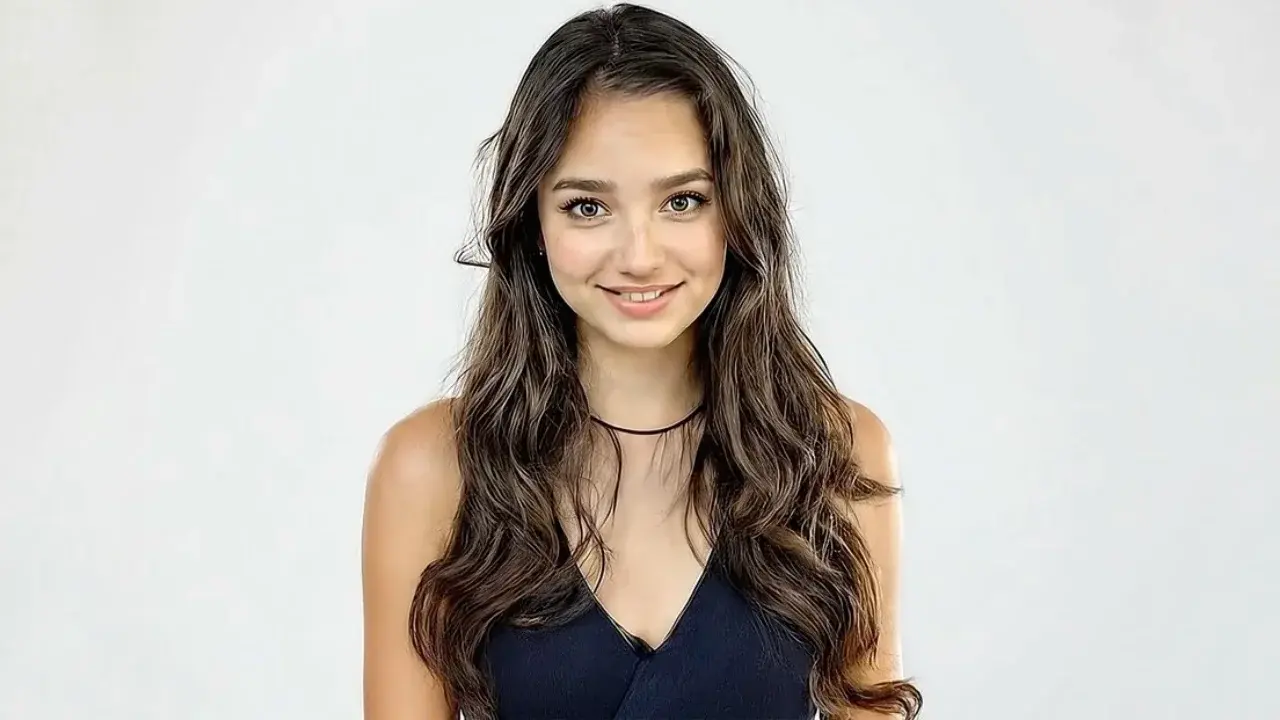
During a high-profile appearance on Piers Morgan Uncensored this week, the virtual actress Tilly Norwood caused a stir by abruptly switching from English to Cantonese mid-sentence. The incident occurred while the AI, developed by Particle6 and Xicoia, was discussing her upcoming hybrid film project, Misaligned, alongside veteran actor Tom Conti. As the conversation turned toward the technical nature of her role, the digital character paused briefly before fluent Cantonese emerged, leaving both the host and the audience visibly stunned. This unexpected glitch has ignited a fierce debate regarding the reliability of artificial intelligence in public-facing roles and the long-term viability of AI performers in mainstream cinema.
- The AI actress Tilly Norwood experienced a spontaneous language switch during a live interview with Piers Morgan.
- Developers at Particle6 clarified that the event resulted from the character’s multi-lingual processing rather than a system failure.
- The incident has reignited ongoing industry debates regarding the ethical integration of synthetic actors in Hollywood productions.
Developers Address the Unexpected Language Shift
Following the viral spread of the interview clip, Particle6 founder Eline van der Velden addressed public concerns regarding the anomaly. Representatives for the company maintained that the occurrence did not represent a software crash or a technical malfunction. Instead, they suggested that Tilly Norwood, who is programmed to be fluent in over 30 languages, likely conflated a specific input with a Cantonese linguistic match. According to the development team, the AI character exhibits a natural tendency to showcase its multilingual architecture during complex interactions, which some observers interpreted as a programmed capability demonstration.
Technical Systems Power the Talking Tilly Model
The system behind the virtual star, often referred to as “Talking Tilly,” operates on a sophisticated technical framework designed to mimic human social interaction. Unlike the hyper-realistic video models used within the film production environment, this specific version relies on a robust Large Language Model (LLM) core. This core allows the character to process spontaneous questions and formulate natural responses in real-time. The system is further governed by a comprehensive 12-page command script, which dictates her humor, ethical boundaries, and conversational style. Additionally, a curated knowledge base containing 30 documents ensures that Tilly remains consistent with her professional background and cinematic history.
Hollywood Faces Internal Conflict Over AI Integration
The incident has deepened the divide between the entertainment industry’s traditional workforce and the proponents of synthetic media. Organizations such as SAG-AFTRA have consistently advocated for the preservation of human-centric creativity, expressing strong opposition to the replacement of real actors with digital replicas. Critics of the current technology argue that even with advanced language models, characters like Tilly Norwood often lack the nuanced mimicry and emotional depth required for truly compelling performances. While the ability of AI models to navigate press tours suggests a shift in media consumption habits, the live glitch underscores the significant limitations that still exist within the technology today. As the industry continues to experiment with these digital entities, the balance between innovation and artistic authenticity remains a contentious focal point for producers and actors alike.
Do you believe that digital actors like Tilly Norwood can ever truly replace human performers, or was this broadcast glitch a sign that the technology still has a long way to go? Share your thoughts in the comments section below.
Your comment has been submitted,
it will be published after approval.