
Turkish Air Defense Systems Join Eastern Shield 2026 Exercise in Romania

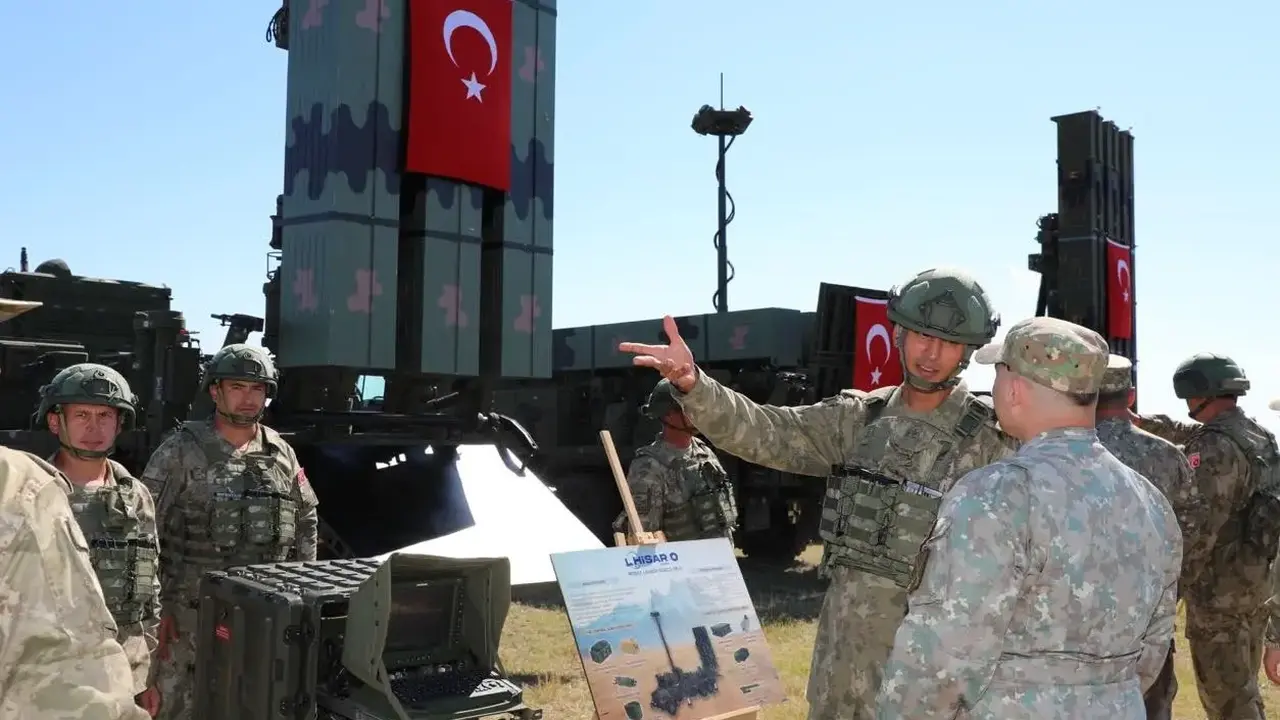
The Turkish Armed Forces have officially deployed a wide array of national air defense systems to Romania to participate in the Eastern Shield 2026 air and missile defense exercise. Commencing on September 16, 2026, the multinational military drill is scheduled to continue until October 2, 2026, in the Constanta region. This strategic deployment underscores Turkey’s commitment to enhancing interoperability within NATO frameworks. By utilizing diverse domestic technologies, the Turkish military aims to test its combat readiness and coordination capabilities alongside allied forces at the Capu Midia training grounds, a key military hub situated on the Black Sea coast.
- The Eastern Shield 2026 exercise continues in Romania until October 2 to strengthen NATO-wide air defense coordination.
- Turkey deployed a comprehensive suite of domestic systems, including HİSAR-O, HİSAR-A, KORKUT, and SUNGUR, to the Capu Midia training site.
- Turkish units are testing their multi-layered defense capabilities alongside allied military forces in an international exercise environment.
Turkish Air Defense Systems Are Displayed to Allies
In celebration of the Romanian Air Defense branch’s anniversary, host authorities organized a comprehensive exhibition showcasing military vehicles, weaponry, and advanced technical equipment. This event served as a significant platform for Turkey to demonstrate its indigenous engineering prowess to its NATO partners. 
Turkish Military Units Occupy Strategic Positions at Capu Midia
Following the conclusion of the formal exhibition, the Turkish air defense contingent transitioned to their designated operational positions in Capu Midia, located near the Black Sea. According to official statements from the Ministry of National Defense, the deployment phase was finalized, and the units immediately commenced active training operations. 
Diverse Defense Technologies Are Integrated into the Exercise
The participation of Turkey is notable due to the variety of systems involved, each serving a specific defensive layer. While the HİSAR-A system is designed for short-range engagement, the HİSAR-O is specialized for medium-altitude protection. The KORKUT system provides essential gun-based defense against low-altitude targets, and the SUNGUR offers high mobility for rapid response scenarios. By operating these systems in tandem with modernized towed artillery, Turkish forces are effectively simulating a comprehensive defense grid capable of neutralizing complex threats in a high-intensity environment.
Interoperability with NATO Allies Remains a Primary Focus
A crucial aspect of the Eastern Shield 2026 exercise involves the seamless integration of Turkish units into a multinational military structure. Training alongside different national components provides an invaluable opportunity to refine command and control procedures. This deployment is not merely a showcase of hardware; it is a vital exercise in coordination, ensuring that Turkish systems can communicate and function efficiently within the broader NATO security infrastructure. As the exercise progresses toward its October completion date, the collaborative efforts at the Capu Midia site are expected to yield significant improvements in regional air defense coordination.
What are your thoughts on the importance of Turkey’s indigenous air defense systems in strengthening NATO’s collective security posture? We invite you to share your views on this deployment in the comments section below.
Your comment has been submitted,
it will be published after approval.