
US Air Force Extends Service Life of B-1 and B-2

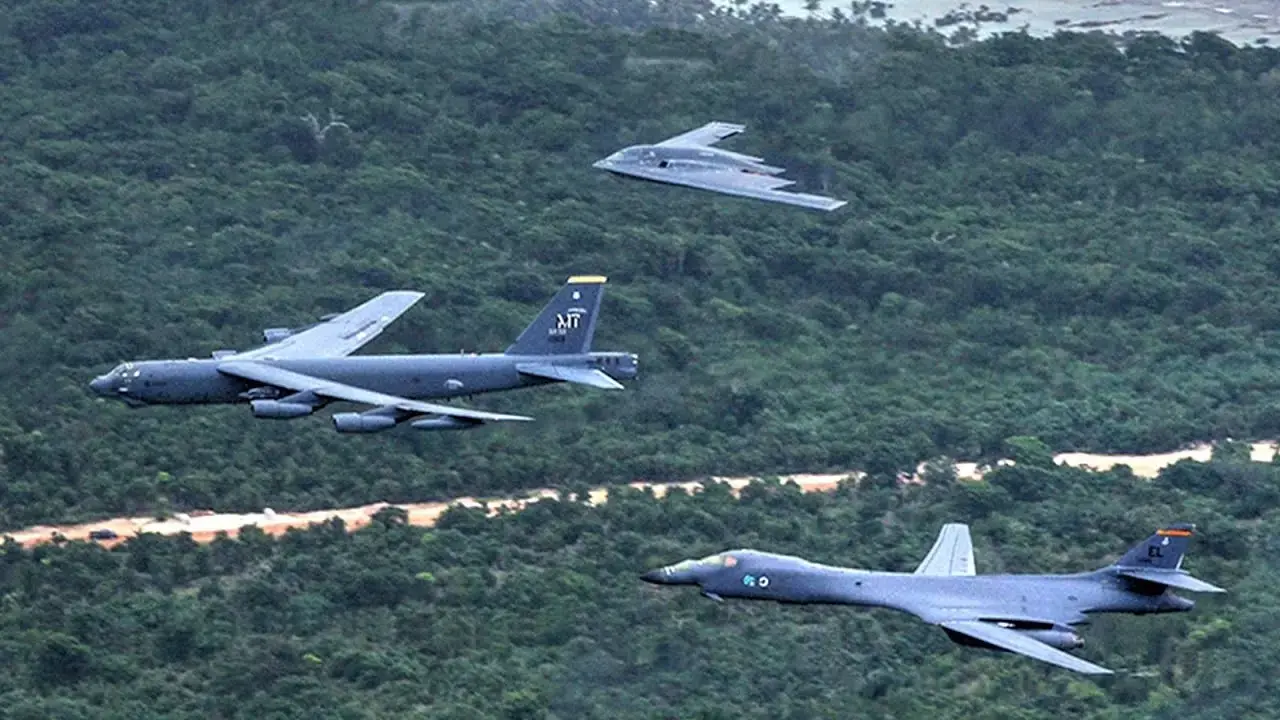
The United States Air Force has officially announced a strategic decision to extend the service life of its aging B-1B Lancer and B-2 Spirit bomber fleets. Revealed by General Stephen L. Davis of the Air Force Global Strike Command (AFGSC) during the 2026 Air, Space and Cyber Conference, this initiative aims to maintain critical operational capacity while the transition to the next-generation B-21 Raider remains underway. Although the specific duration of this extension remains undisclosed, the move ensures that the current bomber force continues to provide global strike capabilities until the new stealth platforms are fully integrated into the inventory.
- The Air Force maintains operational readiness for B-1B and B-2 fleets until the B-21 Raider enters full service.
- Experienced pilots from current bomber squadrons will lead the initial deployment of the new B-21 aircraft.
- Modernization efforts focus on enhancing radar systems, communication platforms, and overall maintenance support.
B-21 Raider Replacement Schedule is Being Finalized
The long-term objective of the Air Force involves replacing the legacy B-1 and B-2 platforms with the cutting-edge B-21 Raider. Current procurement plans suggest the acquisition of at least 100 B-21 units, with the first deliveries slated for Ellsworth Air Force Base by 2027. Official projections indicate that the B-21 fleet will reach initial operational capability by 2028. Consequently, the Air Force must sustain the current fleet through rigorous maintenance and modernization programs to bridge the gap during this transition period.
Experienced Pilots are Transitioning to New Platforms
A significant component of this strategy involves human capital management. General Davis confirmed that veteran aircrews currently operating the B-1 and B-2 aircraft will constitute the primary cadre for the B-21 Raider. This approach ensures that decades of tactical knowledge and operational expertise are effectively transferred to the next generation of stealth bombers. To maintain high readiness levels among current personnel, the Air Force continues to utilize the Bomber Supplemental Trainer for Aircrew Readiness (BSTAR) program, which employs aircraft such as the HondaJet Elite to preserve pilot proficiency.
Modernization Efforts are Continuing for Legacy Fleets
Extending the lifespan of these aircraft requires more than just prolonged use; it necessitates significant technical upgrades. Under the North Star Readiness Campaign launched in September, the AFGSC is actively increasing the number of mission-ready aircraft within the B-1 and B-52 fleets. Engineering teams are prioritizing supply chain improvements and component manufacturing to keep these platforms viable. Additionally, the military is enhancing the beyond-line-of-sight (BLOS) communication systems for the B-1, while simultaneously upgrading the radar and payload versatility of the B-2 to ensure it remains a potent deterrent.
B-21 Raider Becomes the Future of Global Strike
As the Northrop Grumman-developed B-21 Raider gradually enters the fleet, it will redefine the role of long-range, low-observable strike aircraft. The decision to extend the operational life of the B-1 and B-2 bombers is a calculated measure to preserve national security during the phased retirement of older assets. By balancing the maintenance of legacy systems with the introduction of advanced technology, the Air Force secures its ability to project power globally. The successful integration of these assets remains a top priority for military planners as they phase out the older, more maintenance-intensive airframes.
Given the evolving nature of global security, how do you think the integration of the B-21 Raider will shift the strategic balance of the US Air Force’s long-range strike capabilities? Share your insights on the modernization of the bomber fleet in the comments section below.
Your comment has been submitted,
it will be published after approval.