
Turkey Targets Over 100 Accounts in Stock Market Manipulation Probe


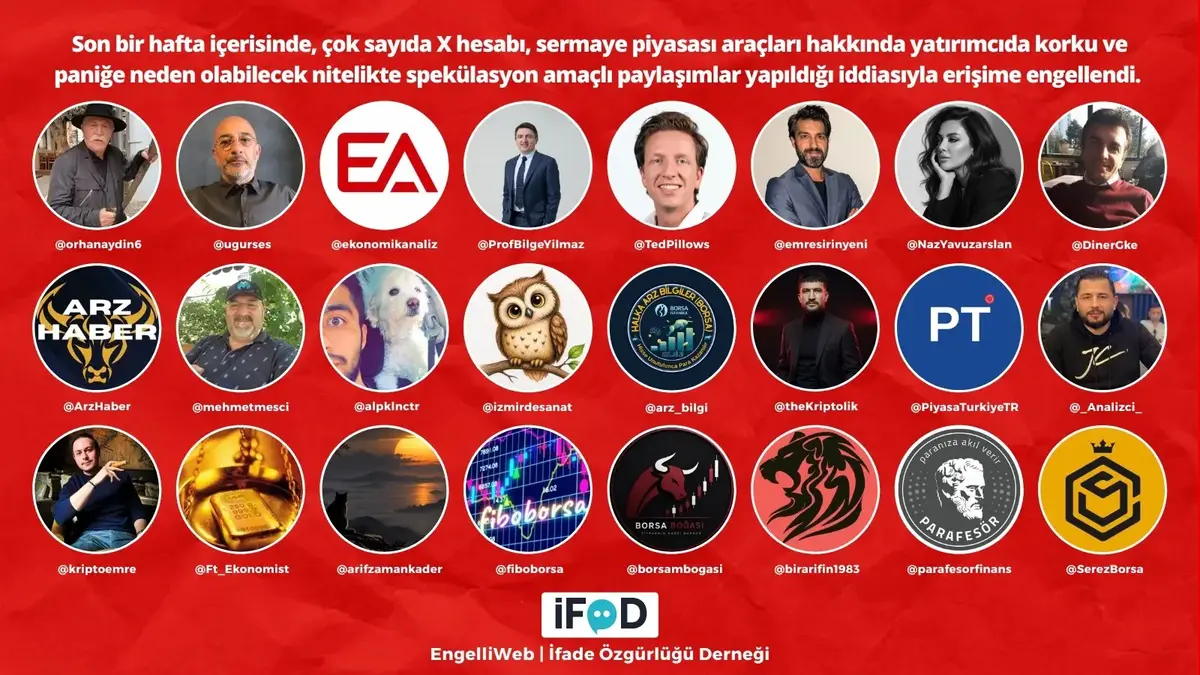
Turkish authorities, led by the Capital Markets Board (SPK) and various public prosecutor offices, have launched a wide-reaching crackdown on stock market manipulation by blocking access to over 100 accounts on the social media platform X. Acting upon requests from the Istanbul and Ankara Chief Public Prosecutor’s offices, the authorities invoked Article 8/A of Law No. 5651 to restrict profiles accused of misleading investors and spreading speculative content. This significant operation, which unfolded throughout September, impacts a wide array of high-profile financial analysts, academic experts, and prominent journalists who collectively command an audience of approximately 12 million followers.
- The Capital Markets Board initiated a comprehensive investigation following evidence of systematic market fraud and speculative activity.
- Authorities imposed access restrictions on more than 100 social media accounts to prevent further market manipulation.
- Multiple executives from major financial institutions, including Tera Yatırım and Pusula Finans, face formal arrest and detention.
- Regulators suspended the operations of 130 investment funds to protect retail investors during the ongoing probe.
The Scope of the Digital Crackdown Expands
Data from the Freedom of Expression Association’s EngelliWeb project indicates that the combined reach of the restricted accounts is massive, totaling roughly 12 million followers. Following court-ordered mandates, X has begun implementing geofencing measures, causing some profiles to disappear for users within Turkey while others display error messages. The execution of these restrictions has been gradual, leaving some accounts accessible during the transition period.
The list of restricted individuals includes respected figures such as Uğur Gürses, Prof. Dr. Veysel Ulusoy, Prof. Dr. Bilge Yılmaz, and several well-known financial commentators. These individuals have long provided commentary on economic policy and market trends. The inclusion of independent analysts alongside anonymous accounts has sparked a significant debate regarding the boundaries of financial literacy and public discourse in the digital age.
Authorities Conduct High-Level Arrests and Asset Freezes
This social media intervention serves as an extension of a much larger regulatory operation that began with an SPK inspection report on September 17. The investigation centers on allegations of market fraud involving specific shares and funds, particularly those related to Katılımevim Tasarruf Finansman AŞ. As the investigation deepened, the state moved to freeze the assets of several prominent portfolio management companies and brokerages, including Hedef Holding and Bulls Yatırım.
Legal consequences have been swift for industry leaders. Several top executives, including the Chairman of Tera Yatırım Holding, Emre Tezmen, and various board members, were arrested by criminal judges of peace. Furthermore, the SPK halted transactions for 130 investment funds on the TEFAS platform, signaling the start of a mandatory liquidation process for these entities.
Future Market Sentiment Remains Uncertain
Regulators argue that these measures are necessary to curb the influence of anonymous, organized groups that target inexperienced investors with speculative tips. However, critics point out that the broad nature of the bans may stifle legitimate financial analysis. It remains to be seen whether X will challenge these legal orders in court or if the current restrictions will become a permanent fixture in the Turkish financial landscape. As the legal processes continue, the broader impact on market transparency and the freedom of financial information remains a point of intense public concern.
How do you evaluate the balance between preventing market manipulation and preserving the freedom of financial analysis on social media platforms? Please share your thoughts and perspectives in the comments section below.
Your comment has been submitted,
it will be published after approval.