
Electric Cars Prove Superior Durability Over Gasoline Models

A comprehensive analysis of millions of vehicle inspection records in the United Kingdom has revealed that electric cars demonstrate significantly higher long-term durability compared to their internal combustion engine counterparts. Conducted by researchers studying MOT test data, the study challenges prevailing concerns regarding the longevity of electric vehicles (EVs). The findings indicate that while new vehicles show similar reliability, the gap in mechanical performance widens in favor of electric models as mileage increases. This extensive research confirms that electric cars maintain better operational health over long distances, positioning them as a more reliable choice for high-mileage drivers.
- Electric vehicles exhibit a 47 percent lower failure rate than gasoline models once they reach 190,000 kilometers.
- The simplified mechanical structure of electric drivetrains eliminates the need for complex engine components and transmissions.
- Regenerative braking technology significantly reduces wear on traditional brake systems in electric models.
- Independent studies confirm that modern EV batteries maintain approximately 90 percent of their original capacity after 150,000 kilometers.
Reliability Gaps Widen as Vehicles Accumulate Mileage
The study utilizes official MOT data to evaluate mechanical components such as suspensions, brakes, and emission systems. During the initial period of ownership, the performance of electric and gasoline vehicles remains comparable. However, the data highlights a critical turning point at approximately 65,000 kilometers. Once vehicles surpass this threshold, gasoline-powered cars begin to experience a more rapid decline in reliability compared to their battery-powered alternatives.
By the time vehicles reach 190,000 kilometers, the disparity becomes statistically significant. Gasoline models record a failure rate of 23.5 percent at this stage, whereas electric vehicles manage to keep their failure rate at a much lower 16 percent. This evidence suggests that the absence of complex moving parts in electric motors contributes to their sustained health over time.
Mechanical Components Show Varying Performance Levels
Researchers compared different versions of the same vehicle models to ensure fairness, finding that electric variants consistently outperformed their gasoline or diesel counterparts in most categories. 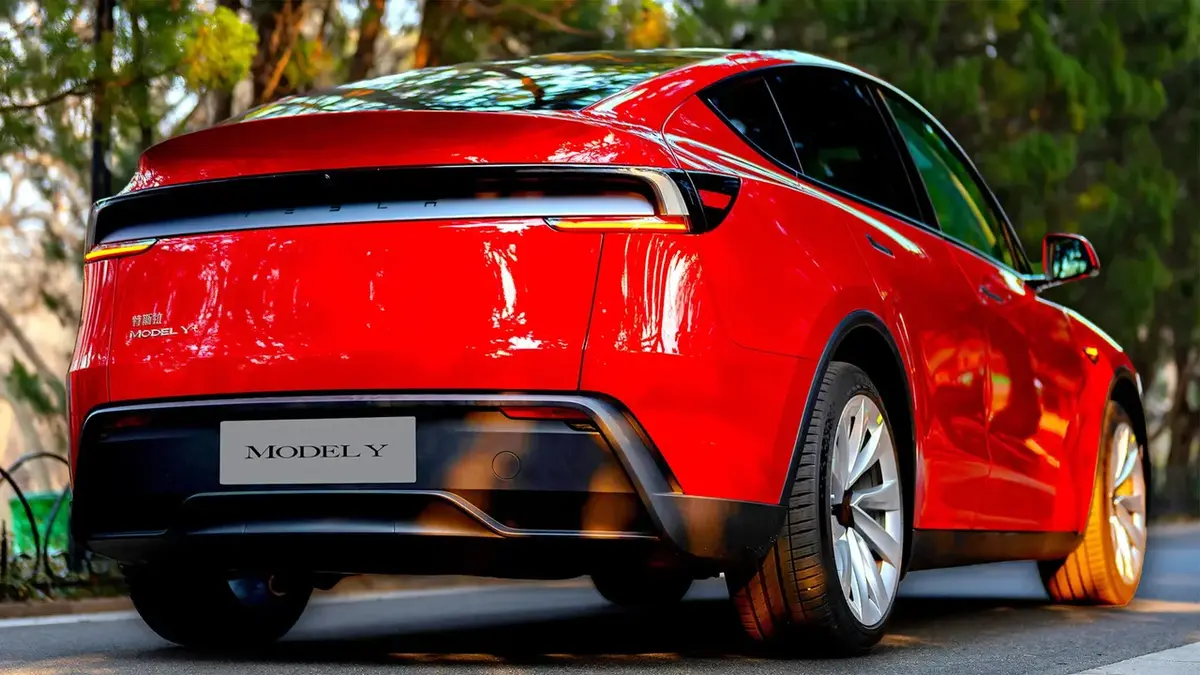 When examining suspension systems, electric vehicles performed better despite the added weight of their battery packs, showing fewer structural issues than traditional cars.
Braking systems also benefit from regenerative technology, which reduces the reliance on physical pads and discs. While this extends the lifespan of braking hardware, it can occasionally lead to corrosion in vehicles over a decade old due to infrequent use of the friction brakes. Conversely, tire wear remains the primary area where electric vehicles face challenges; the higher curb weight can accelerate tire degradation, particularly in vehicles adapted from existing gasoline platforms.
Electric Models Change Second-Hand Market Expectations
The myth that electric cars become unreliable as they age is effectively dismantled by these real-world data points. Without the strain of intricate gearboxes and combustion engine maintenance, electric drivetrains remain robust throughout their operational life. While the study focused on mechanical integrity, it also supports the broader consensus that battery health remains stable for many years. As high-mileage electric vehicles become more common in the secondary market, buyers are increasingly finding that these cars offer a more sustainable and cost-effective alternative for long-term ownership.
Have you experienced high-mileage reliability with your own electric vehicle, or do you still have concerns about long-term ownership? Share your thoughts and experiences in the comments section below.
Your comment has been submitted,
it will be published after approval.