
MKE PİRANA Kamikaze USV Achieves Direct Hit in Denizkurdu-I/2026

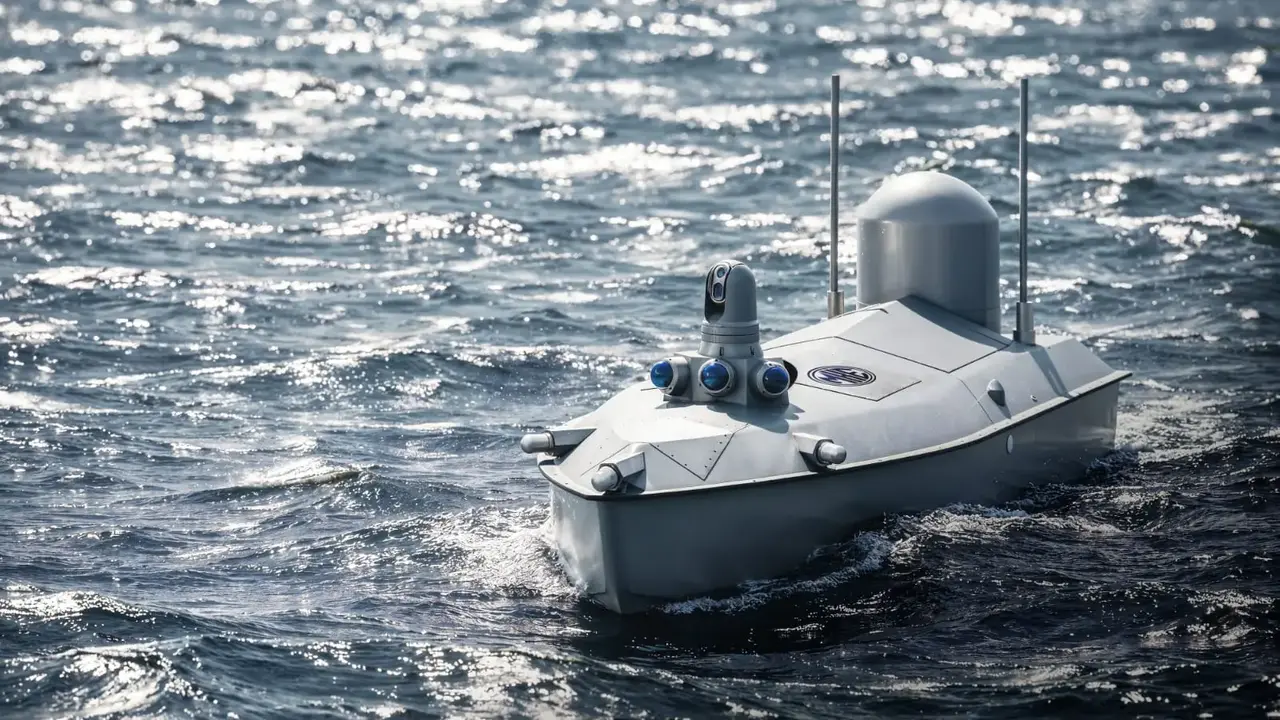
The Denizkurdu-I/2026 Exercise, a large-scale naval drill by the Turkish Armed Forces, witnessed a groundbreaking demonstration of unmanned systems integration off the coast of Aksaz, Marmaris, Muğla. During the Distinguished Observer Day, the MKE PİRANA Kamikaze Unmanned Surface Vessel (KUSV) successfully engaged and destroyed a surface target. This precision strike was made possible by real-time targeting information provided by a Baykar KALKAN Vertical Take-off and Landing Unmanned Aerial Vehicle (VTOL UAV), which also made its inaugural operational flight from the TCG Anadolu during the exercise. This event underscored the growing capabilities of Turkey’s indigenous defense industry in networked unmanned warfare.
- The Baykar KALKAN Vertical Take-off and Landing Unmanned Aerial Vehicle performed its first operational flight from the TCG Anadolu during the Denizkurdu-I/2026 Exercise.
- The MKE PİRANA Kamikaze Unmanned Surface Vessel successfully destroyed a surface target, which had been identified by the KALKAN UAV.
- This exercise demonstrated an advanced operational concept where aerial reconnaissance and sea-based attack missions were seamlessly integrated between different unmanned platforms.
- Approximately 14,000 personnel, 100 ships, and 50 air assets from multiple service branches participated in the comprehensive Denizkurdu-I/2026 drill across four seas.
KALKAN VTOL UAV Takes Flight from TCG Anadolu for the First Time
One of the most significant developments during Denizkurdu-I/2026 was the initial deployment of the KALKAN VTOL UAV from the TCG Anadolu. This marks a pivotal moment for the Turkish Naval Forces, as the KALKAN, recently added to the inventory, offers vertical take-off and landing capabilities, eliminating the need for traditional runways. The system has been specifically developed for critical reconnaissance, surveillance, and intelligence gathering missions, providing enhanced situational awareness to naval operations.
The successful operation of KALKAN from a multi-purpose amphibious assault ship like the TCG Anadolu further advances the concept of utilizing unmanned aerial vehicles from naval platforms. This activity practically demonstrated the capability of integrating advanced UAV systems into naval doctrine, showcasing how such assets can extend the operational reach and effectiveness of the fleet in complex maritime environments.
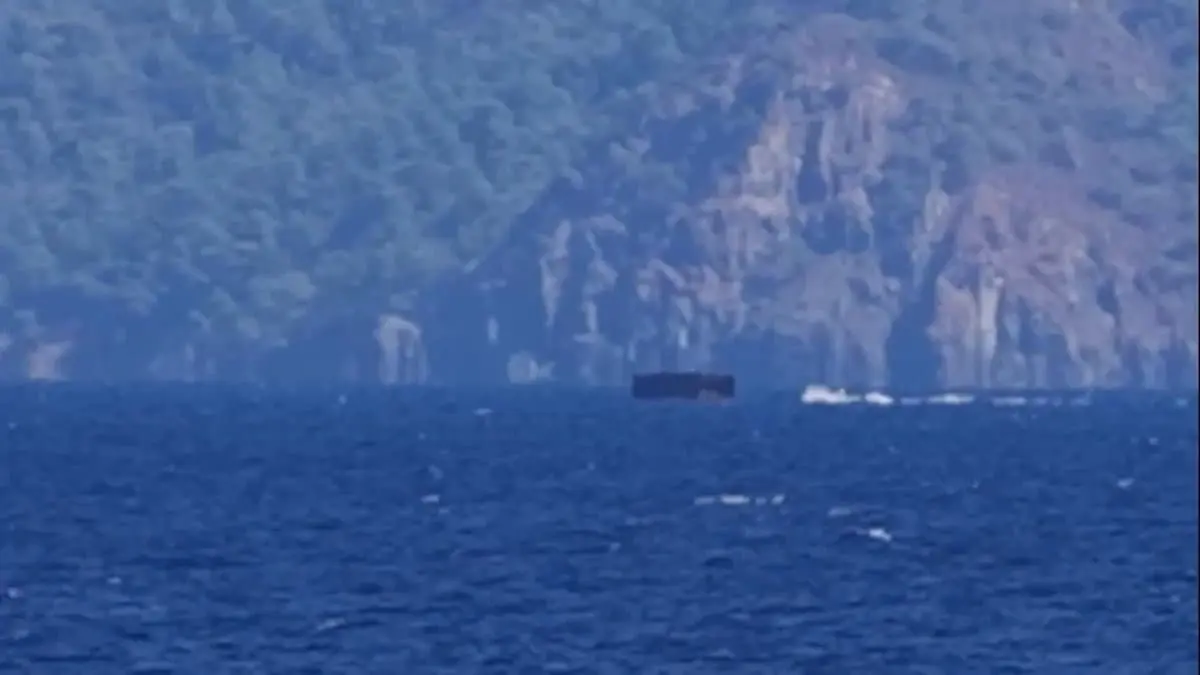
KALKAN Identifies, PİRANA Destroys its Target
Another crucial highlight of the exercise was the combined mission scenario involving both the KALKAN VTOL UAV and the MKE PİRANA KUSV. In a meticulously coordinated operation, the KALKAN UAV successfully detected a surface target, relaying its precise location. Following this identification, the MKE-developed PİRANA Kamikaze Unmanned Surface Vessel then proceeded to strike and neutralize the designated target with high accuracy.
This integrated action successfully executed a scenario where an aerial unmanned system conducted reconnaissance and targeting, which was then followed by a precise attack carried out by an unmanned sea vessel. The PİRANA, known for its kamikaze capabilities, is designed to carry approximately a 100-kilogram warhead, as previously announced by the Ministry of National Defense before the exercise, ensuring significant destructive power against surface threats.
Unmanned Systems Work Together Effectively
The Denizkurdu-I/2026 exercise provided a compelling example of how diverse unmanned platforms can be utilized within a single operational chain. The scenario, where KALKAN DİHA provided critical intelligence from the air, followed by PİRANA KİDA’s successful destruction of the surface target, established a new operational concept. This approach involves distributing reconnaissance, surveillance, and attack roles across various unmanned platforms, optimizing their individual strengths.
This innovative strategy aims to integrate unmanned aerial and naval vehicles alongside traditional manned platforms. Among the core objectives of the Denizkurdu-I exercise are enhancing decision-making capabilities in multi-threat environments and strengthening interoperability among different force elements, reinforcing a comprehensive, modern defense posture.
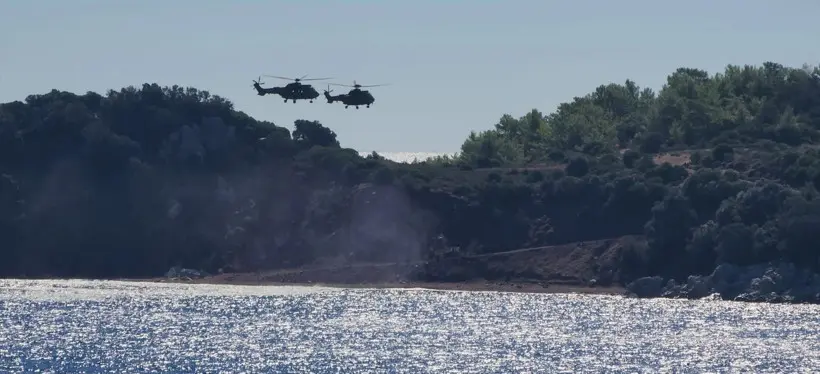
Denizkurdu-I/2026 Exercise Features Extensive Operations
Conducted between September 20 and 25, 2026, the Denizkurdu-I/2026 Exercise spanned simultaneously across the Black Sea, Sea of Marmara, Aegean Sea, and Eastern Mediterranean. Beyond live-fire training, the exercise focused on operational readiness and conducting missions in multi-threat scenarios, involving approximately 14,000 personnel, 100 ships, and 50 air assets from the Naval, Land, Air Forces, Gendarmerie, and Coast Guard commands.
During the Distinguished Observer Day, a variety of scenarios were executed centered around the TCG Anadolu, including mine hunting, amphibious operations, boarding exercises, and the joint utilization of air and sea assets. The inaugural flight of the KALKAN VTOL UAV from the TCG Anadolu and the MKE PİRANA KUSV’s successful strike on a target identified by KALKAN stood out as the most remarkable demonstrations of integrated domestic unmanned systems during the entire exercise.
What are your thoughts on the increasing integration of unmanned systems in modern naval warfare? Share your insights and predictions for the future of defense technology in the comments below.
Your comment has been submitted,
it will be published after approval.