
WhatsApp is Redesigning the Android Navigation Experience

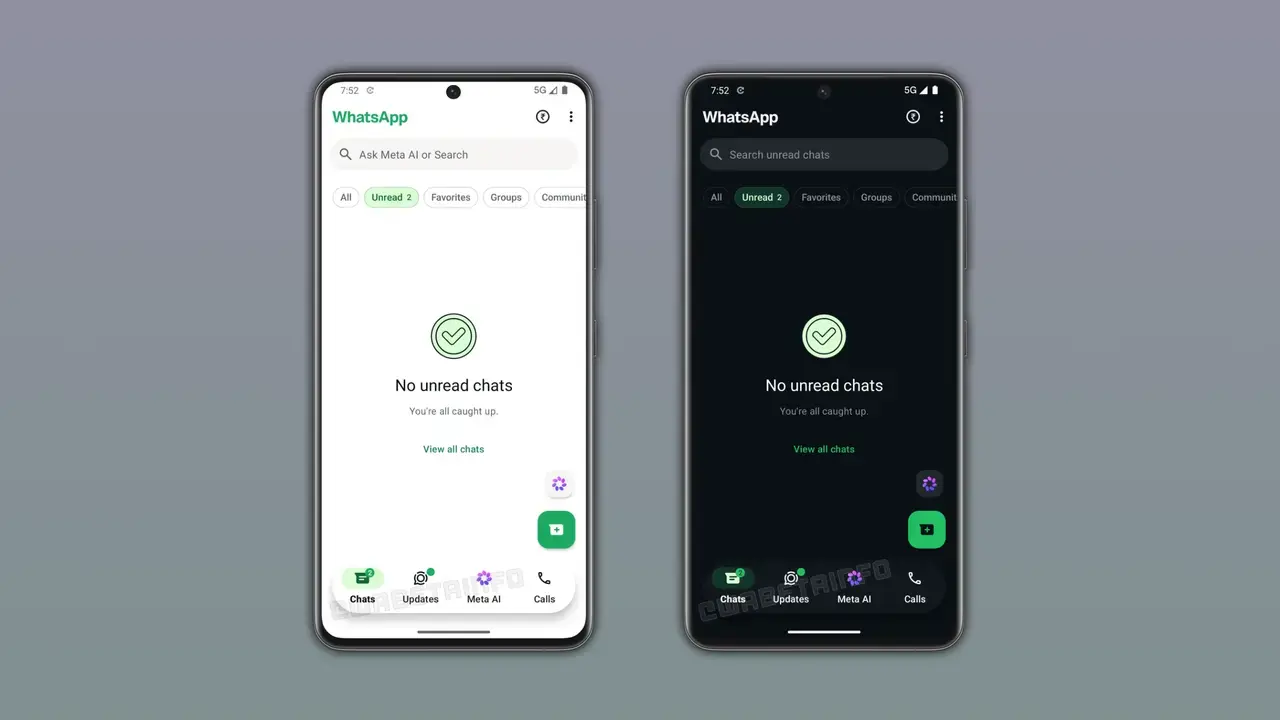
WhatsApp is actively developing a significant interface update for its Android application, introducing a modernized floating navigation bar to enhance user interaction. Recently discovered in the WhatsApp beta for Android version 2.26.38.10, this redesign aims to replace the traditional navigation layout with a sleek, rounded aesthetic that aligns with contemporary mobile design trends. By shifting the main navigation elements to a floating bar at the bottom of the screen, the developers intend to make switching between chats, updates, and calls more fluid for users globally. While the feature remains in internal development, it signifies a major step in the company’s ongoing strategy to unify the visual language across all platforms.
- WhatsApp is developing a new floating, rounded bottom navigation bar for the Android application.
- The design update draws inspiration from the current navigation layout found in the iOS version.
- The feature is currently in the development phase and is not yet available to public beta testers.
- Engineers are optimizing the new interface to support both light and dark mode themes.
WhatsApp Continues to Refine the Android Interface
The company has maintained a long-term commitment to improving the Android user experience through consistent interface adjustments. A major milestone in this transition occurred with the release of the 2.23.10.6 beta, which relocated essential sections to the bottom of the screen to accommodate reachability. The current development of the floating navigation bar represents an evolution of that design, providing a distinct visual separation from the main content area. This structural change is designed to improve overall app aesthetics while ensuring that navigation remains intuitive and efficient for power users.
New Design Borrows Elements from iOS
The floating navigation bar currently under development bears a striking resemblance to the fluid, modern design language used in the WhatsApp iOS application. However, the development team is carefully adapting these elements to respect the unique design principles of the Android ecosystem. Rather than directly porting the translucent effects found on Apple devices, the Android implementation focuses on high-contrast functionality and clean lines. This approach ensures that the app feels native to Android while providing a premium, polished feel that users have requested for several iterations.
User Feedback Drives the Design Process
The decision to overhaul the navigation experience stems from extensive user feedback requesting a more contemporary look and feel. WhatsApp developers have noted that social media discussions and direct user input are critical components of their design roadmap. By listening to the community, the engineering team aims to balance modern trends with established ergonomic habits. While the current iteration is still being refined, the company emphasizes that it is not yet final, allowing for further improvements before the official public release to the wider Android user base.
Future Updates Will Introduce More Customization
This navigation update complements the broader range of personalization tools recently added to the application, such as custom chat themes and color palettes. The introduction of a floating bar is more than just a cosmetic change; it serves as a structural foundation for future features that require efficient access to different app modules. As the beta program progresses, WhatsApp plans to iterate on this design, ensuring that it remains both functional and visually appealing for millions of Android users. Further details regarding the rollout schedule are expected to be shared in upcoming beta release notes.
How do you feel about the proposed floating navigation bar for the WhatsApp Android app? Do you believe a modern, floating interface improves usability, or do you prefer the traditional static bar? Let us know your thoughts in the comments section below.
Your comment has been submitted,
it will be published after approval.