
Microsoft Shifts Strategy Away From Copilot Plus PC Branding

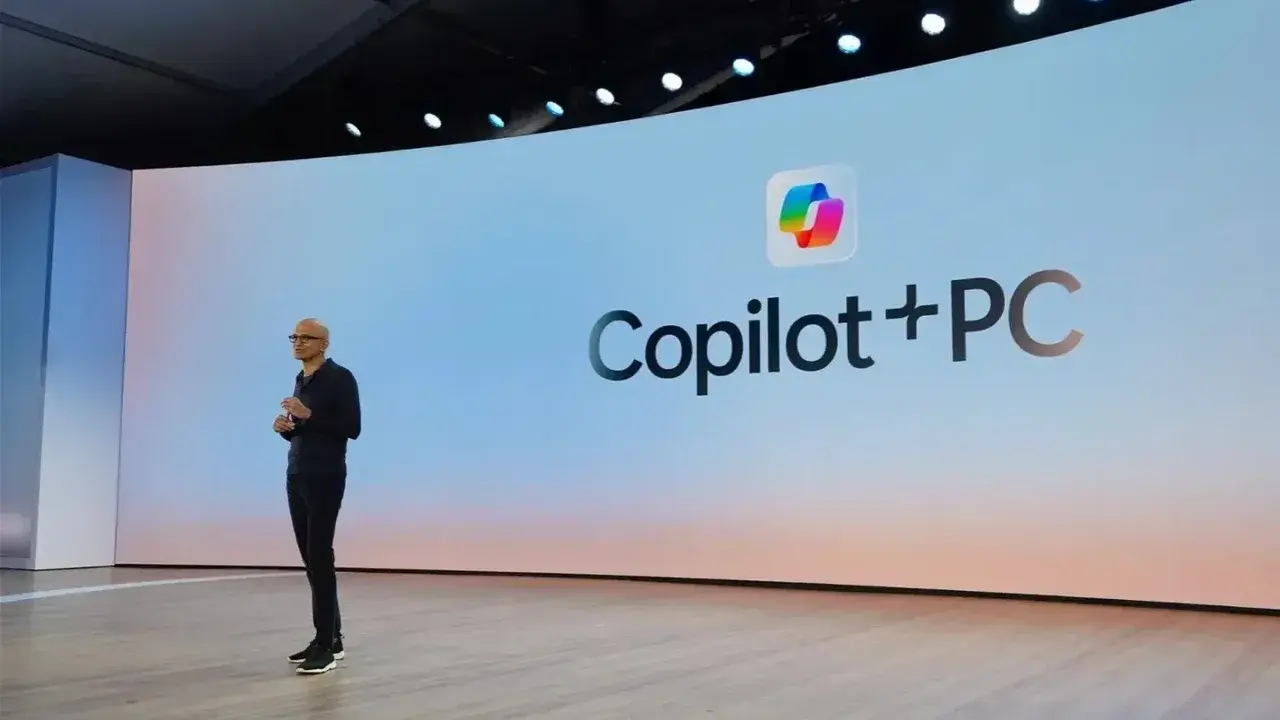
Microsoft is undergoing a significant shift in its hardware strategy, officially moving away from the Copilot Plus PC branding for its latest generation of devices. Following a period of intense focus on AI-integrated computing, the company has confirmed that its new 12-inch Surface Pro and 13-inch Surface Laptop models, despite meeting all necessary technical hardware requirements, will no longer carry the specific Copilot Plus PC moniker. This strategic pivot, coordinated with key hardware partner Qualcomm, marks a major departure from the branding approach introduced by the tech giant just over two years ago to define the future of AI-powered Windows experiences.
- Microsoft is officially abandoning the Copilot Plus PC branding for its new Surface hardware releases.
- The company intends to introduce a new naming strategy during an upcoming AI-focused event on October 7.
- Recent hardware iterations pivot toward integrating Nvidia chips to enhance local AI performance capabilities.
- User concerns regarding the Recall feature and aggressive AI marketing have influenced the recent rebranding decisions.
Branding Strategies are Evolving for Modern Devices
The decision to retire the Copilot Plus PC label comes after industry analysts suggested that high-performance AI hardware would soon become the standard across all computing segments. With most modern processors now capable of handling advanced local AI tasks, the need for a specific, separate branding tier has diminished. Microsoft Surface CVP Brett Ostrom and Qualcomm’s senior VP Kedar Kondap have both indicated that the market requires a shift in how these AI-enabled experiences are marketed to consumers, moving away from a label that no longer serves to distinguish premium hardware effectively.
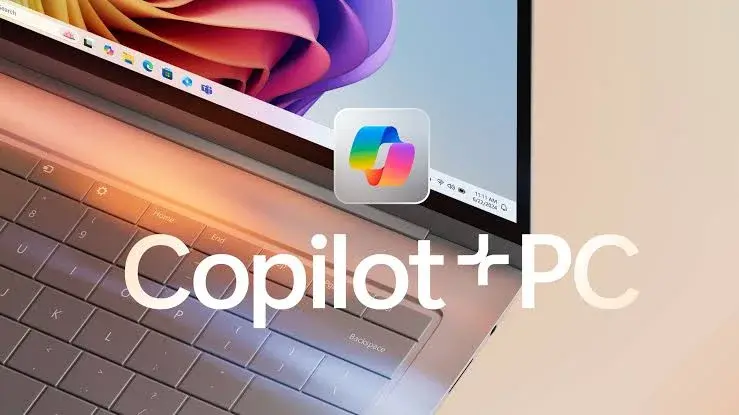
The transition is also linked to a cooling reception of specific AI features, such as the controversial Recall tool. Furthermore, Microsoft has faced criticism regarding the persistent promotion of AI services within the Windows operating system and the inclusion of dedicated physical Copilot keys on keyboards. This feedback has likely compelled the leadership team to reassess how they present AI integration to their user base, aiming for a more seamless and less intrusive experience in future iterations.
Nvidia Partnerships are Reshaping Future Hardware
As Microsoft moves forward, its flagship hardware development is increasingly focused on deep collaboration with Nvidia. The integration of advanced Nvidia chips is expected to define a new era of personal computing where local AI workloads are managed with greater efficiency and power. This shift suggests that Microsoft is looking to pivot toward a more hardware-agnostic approach or perhaps a more sophisticated naming convention that reflects the raw processing power of the internal components rather than the software-centric Copilot label.
The tech industry is eagerly anticipating the upcoming Microsoft event scheduled for October 7. During this presentation, the company is expected to outline its roadmap for local AI deployment and introduce the new nomenclature that will replace the outgoing branding. By focusing on the underlying architecture and the tangible benefits of local processing, Microsoft aims to realign its hardware offerings with current market demands and user expectations.
How do you feel about Microsoft moving away from the Copilot Plus PC branding, and what kind of naming convention would you prefer to see for future AI-enabled hardware? Share your thoughts and predictions in the comments section below.
Your comment has been submitted,
it will be published after approval.