
Mercedes-Benz Advances Solid-State Battery Development with ProLogium

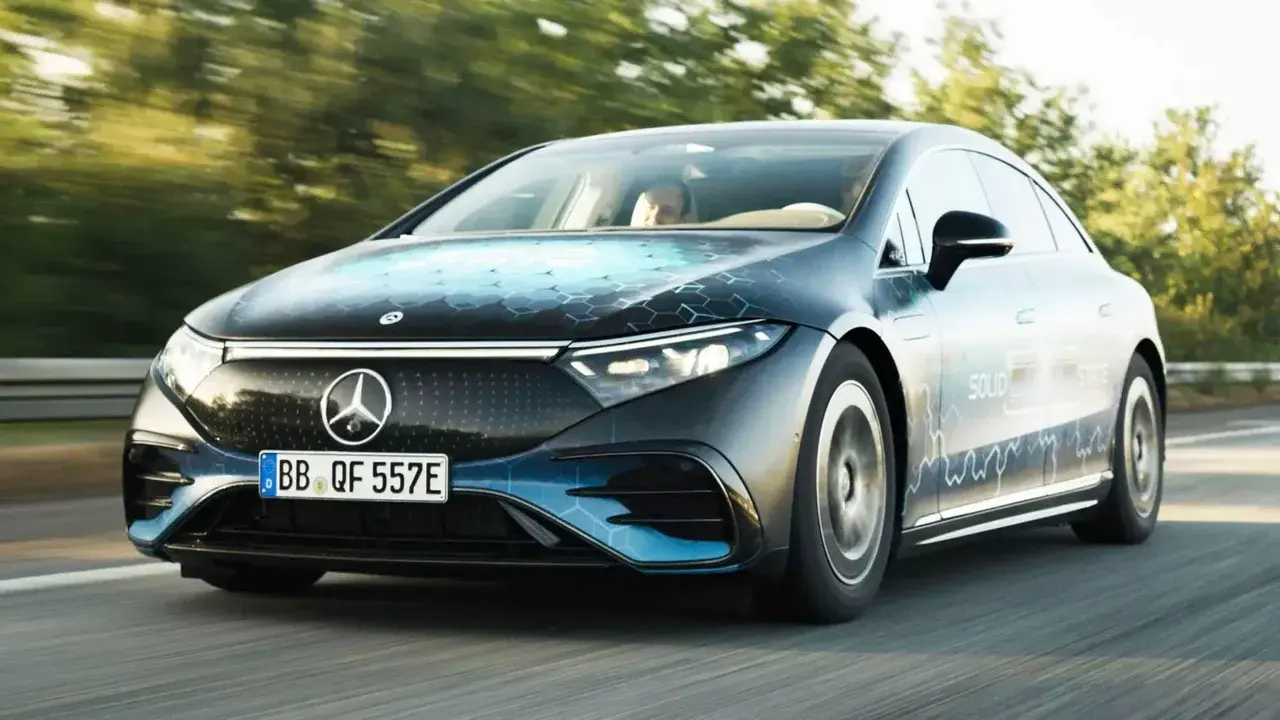
Mercedes-Benz has significantly deepened its long-standing collaboration with the Taiwan-based energy firm ProLogium to accelerate the development and integration of solid-state battery technology. By securing priority access to next-generation battery cells, the German automotive manufacturer is positioning itself at the forefront of the electric vehicle transition. This strategic partnership focuses on rigorous testing of fourth-generation battery cells, ensuring they meet stringent electrical, thermal, and safety standards within both internal Mercedes-Benz facilities and external independent laboratories. This initiative marks a crucial step in the automaker’s roadmap to enhance the performance and reliability of its future electric vehicle fleet.
- Mercedes-Benz secured priority access to ProLogium’s advanced solid-state battery cells for future electric vehicle models.
- The collaboration involves extensive safety and performance testing of fourth-generation cells equipped with ceramic separator technology.
- ProLogium plans to construct a 44 GWh production facility in Dunkirk, France, to supply European automotive manufacturers.
- Mercedes-Benz is simultaneously testing lithium-metal battery technology through a separate partnership with the American firm Factorial Energy.
Solid-State Technology Provides New Performance Standards
Solid-state batteries are widely regarded as the ultimate goal for electric mobility due to their superior safety profiles. By replacing traditional liquid electrolytes with non-flammable solid materials, these batteries mitigate fire risks while achieving significantly higher energy density. 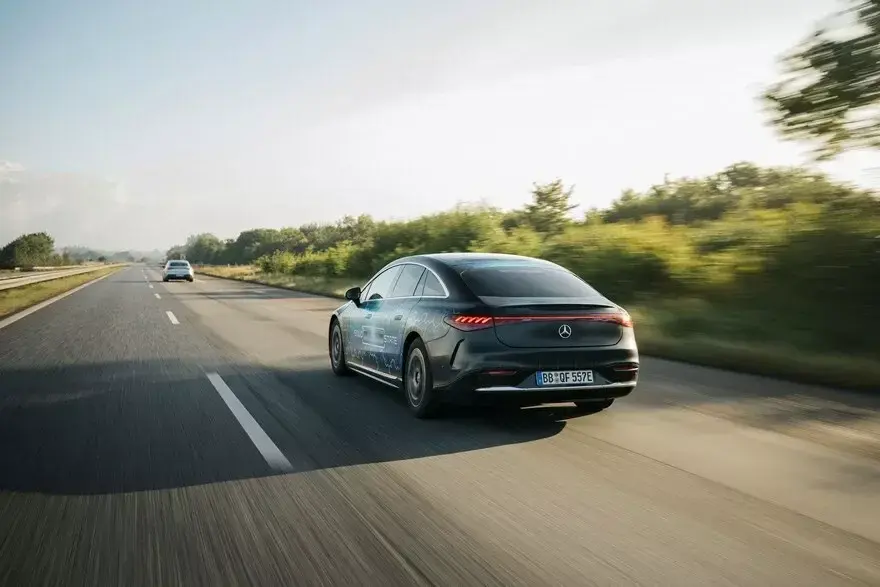 This transition is expected to facilitate faster charging cycles and extend the overall lifespan of the power storage units.
The fourth-generation cells developed by ProLogium utilize inorganic, fire-resistant electrolytes combined with a unique ceramic separator. This technical configuration allows for a much higher power output compared to conventional lithium-ion alternatives. 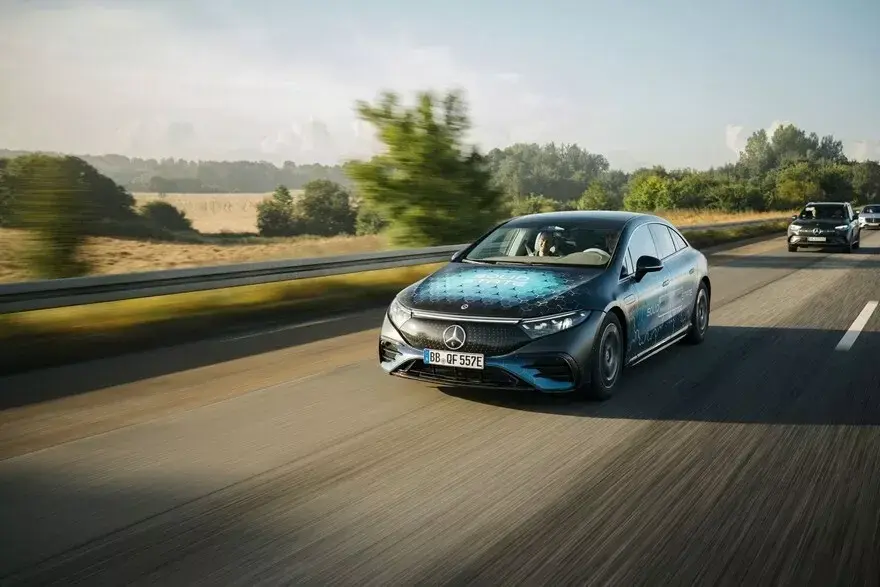 As several global manufacturers, including Toyota, Nissan, and Volkswagen, explore similar technologies, the industry anticipates that vehicles equipped with these cells could reach the consumer market within the next 12 months.
Production Capacity Expands Across Europe
To support the massive demand for solid-state technology, ProLogium is scaling its manufacturing capabilities beyond its current operations in Taiwan. The company has announced plans to establish a major production hub in Dunkirk, France. 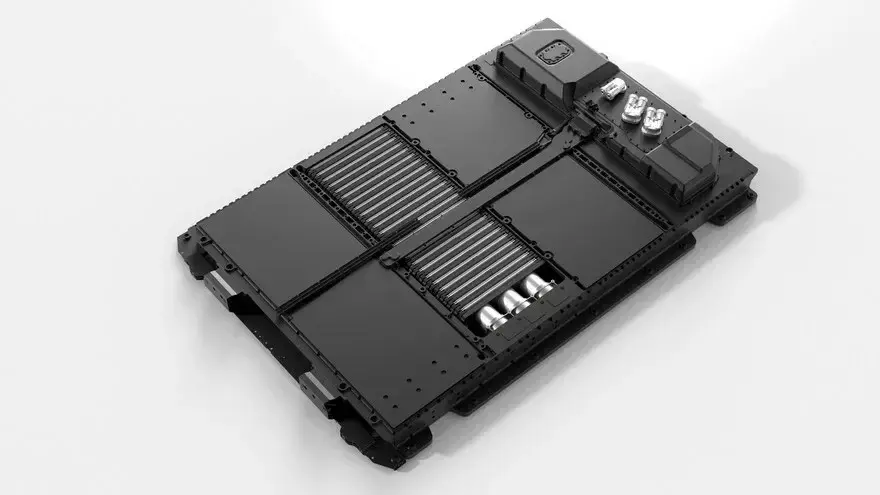 This facility is designed to reach an annual capacity of 44 GWh, serving as a critical supply chain pillar for European automotive partners, including Mercedes-Benz.
Alternative Testing Programs Continue Progress
Beyond the partnership with ProLogium, Mercedes-Benz is actively diversifying its research by collaborating with the American firm Factorial Energy. Their joint efforts focus on lithium-metal battery cells, which have already demonstrated impressive real-world performance metrics.
During a recent trial, a Mercedes-Benz EQS model equipped with Factorial technology achieved a driving range of 1,205 kilometers on a single charge. Data indicated that the vehicle retained approximately 137 kilometers of range even after the extensive test. By maintaining multiple research avenues, the company aims to ensure it remains at the technological forefront of the electric vehicle sector.
As solid-state batteries promise to address long-standing concerns regarding driving range and charging speeds, we invite you to share your thoughts in the comments below: Do you believe this technology will be the final breakthrough needed to make electric vehicles the standard for all drivers?
Your comment has been submitted,
it will be published after approval.