
Elon Musk Documentary Ads Blocked Across Major Social Media Platforms

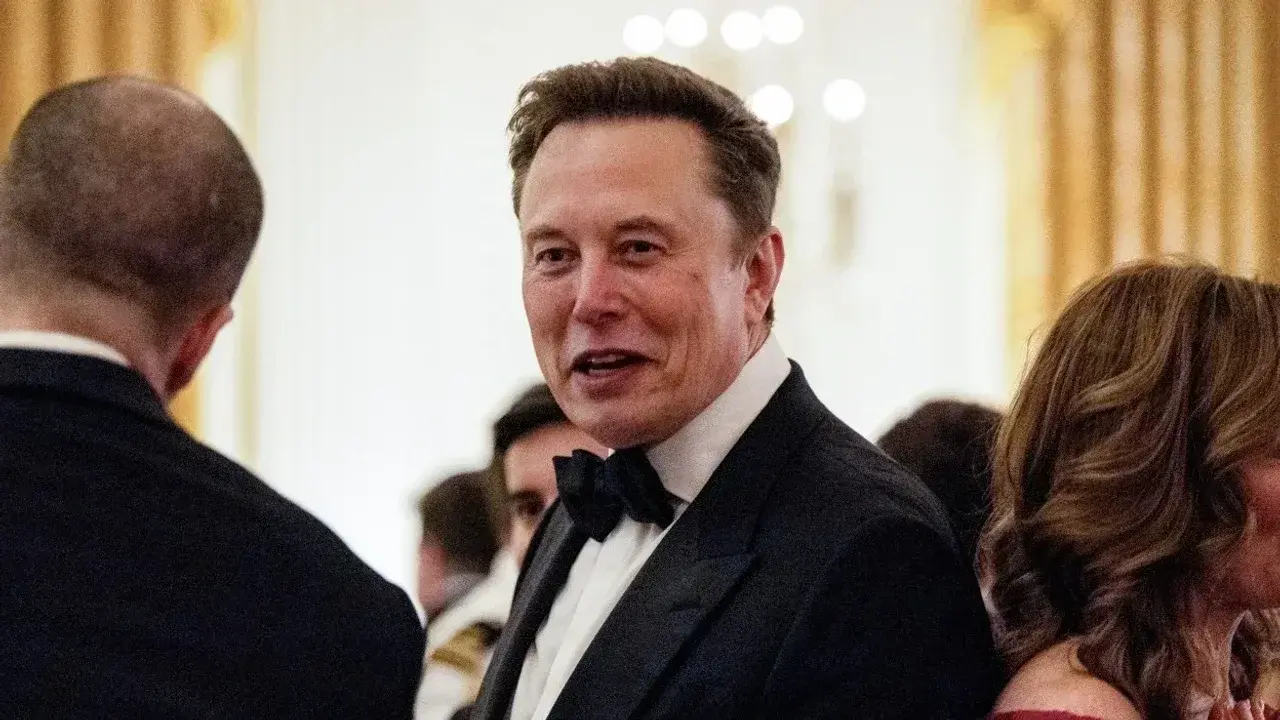
A high-profile digital advertising campaign for an upcoming Elon Musk documentary has faced significant hurdles after being rejected by several major social media platforms. The distributor, Bleecker Street, attempted to run promotional trailers for the film on YouTube, TikTok, Facebook, and Instagram, only to have their requests denied due to strict content policies. Directed by Oscar-winner Alex Gibney, the documentary provides an in-depth look at Musk’s meteoric rise in the technology sector and his global influence. This widespread refusal of the Elon Musk documentary advertisements serves as a major setback for the film’s promotional strategy just weeks before its scheduled theatrical release in the United States.
- Major social media platforms rejected promotional ads for the Alex Gibney documentary citing political content restrictions.
- Distributor Bleecker Street faces ongoing challenges as appeals to platforms like Meta remain unresolved.
- The film remains scheduled for a nationwide U.S. theatrical release starting October 9.
Platforms Cite Strict Policies Regarding Political Content
The primary reason cited by social media giants for blocking these advertisements involves their respective policies on political content. TikTok remains among the most restrictive, maintaining a firm stance against any paid media that could be interpreted as political in nature. Meanwhile, Google’s YouTube requires a rigorous verification process for political advertisers, a hurdle that the documentary’s promotional materials failed to clear during initial review. 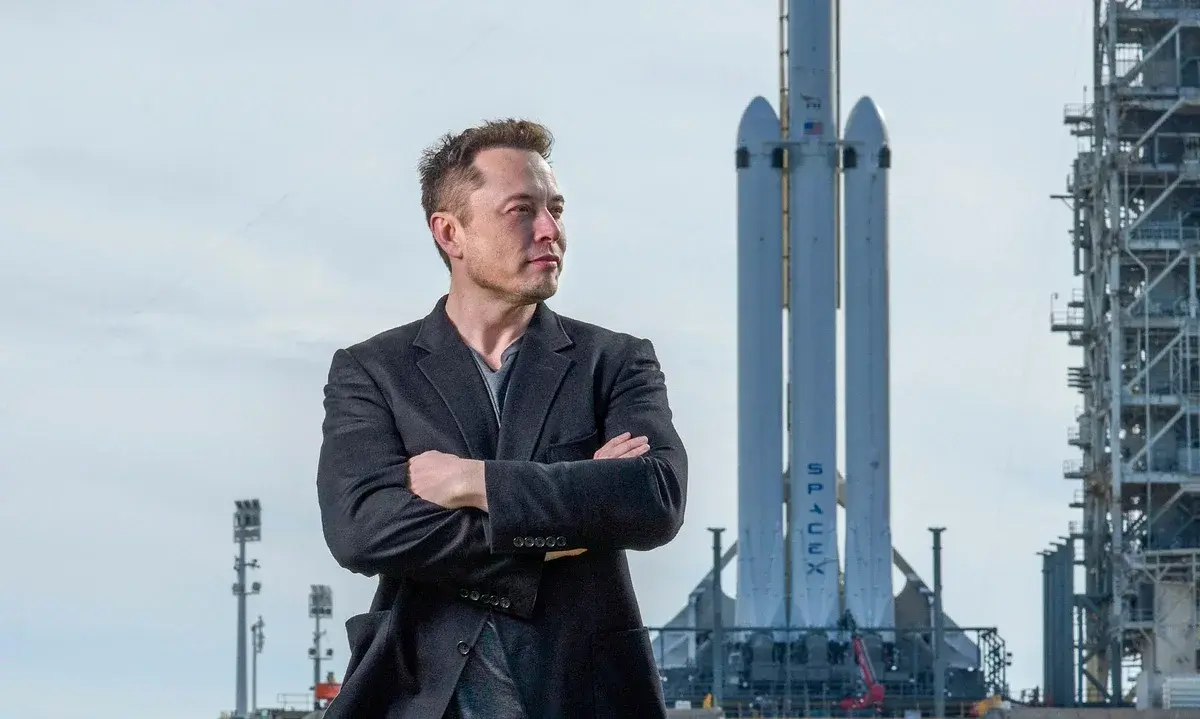 Meta, the parent company of Facebook and Instagram, also upheld its decision to reject the ads, even after the distributor filed formal appeals for reconsideration.
The lack of a unified explanation from these companies leaves the status of the campaign uncertain. While the platforms continue to review potential re-evaluations, the current blockade prevents the studio from utilizing paid reach to target audiences. It is important to note that these restrictions apply exclusively to paid advertising efforts. The documentary and its trailer remain free to be shared organically by users, meaning the film’s visibility on these platforms is not entirely stifled by these corporate policy decisions.
Distributor Faces Silence From the X Platform
Ironically, the challenges faced by Bleecker Street extend to X, the platform owned by Elon Musk himself. Reports indicate that X has not responded to inquiries regarding the rejected ads, nor has it approved promotional requests for other films currently handled by the same distributor. This silence leaves industry observers questioning the underlying criteria for advertising approval on the platform. The documentary, which spans nearly four hours, chronicles Musk’s career and the transformative acquisition of Twitter, now rebranded as X.
The Documentary Continues Its Theatrical Rollout
Despite the digital advertising blockade, the documentary’s release schedule remains firmly in place. After its world premiere at the 83rd Venice International Film Festival and a subsequent appearance at the Toronto International Film Festival, the film is set to hit select theaters in the U.S. on October 9. A broader nationwide rollout is expected to follow on October 16. The production, which does not feature direct participation from Musk, has previously been subject to the subject’s own public criticism on his social media network.
The film’s substantial 225-minute runtime makes it a notable entry in the documentary genre, reflecting the extensive scope of Gibney’s investigation into Musk’s technological empire. As Bleecker Street navigates these promotional obstacles, the industry watches closely to see how effectively a film can reach its audience without the support of mainstream social media advertising channels.
Given the complex relationship between major social media platforms and political advertising, we invite you to share your perspective on whether these companies should have the power to block promotional content for documentaries. Do you believe this sets a dangerous precedent for artistic expression, or are these platforms simply enforcing their existing rules?
Your comment has been submitted,
it will be published after approval.