
Truecaller Launches New Scam Checker Tool for Web Users

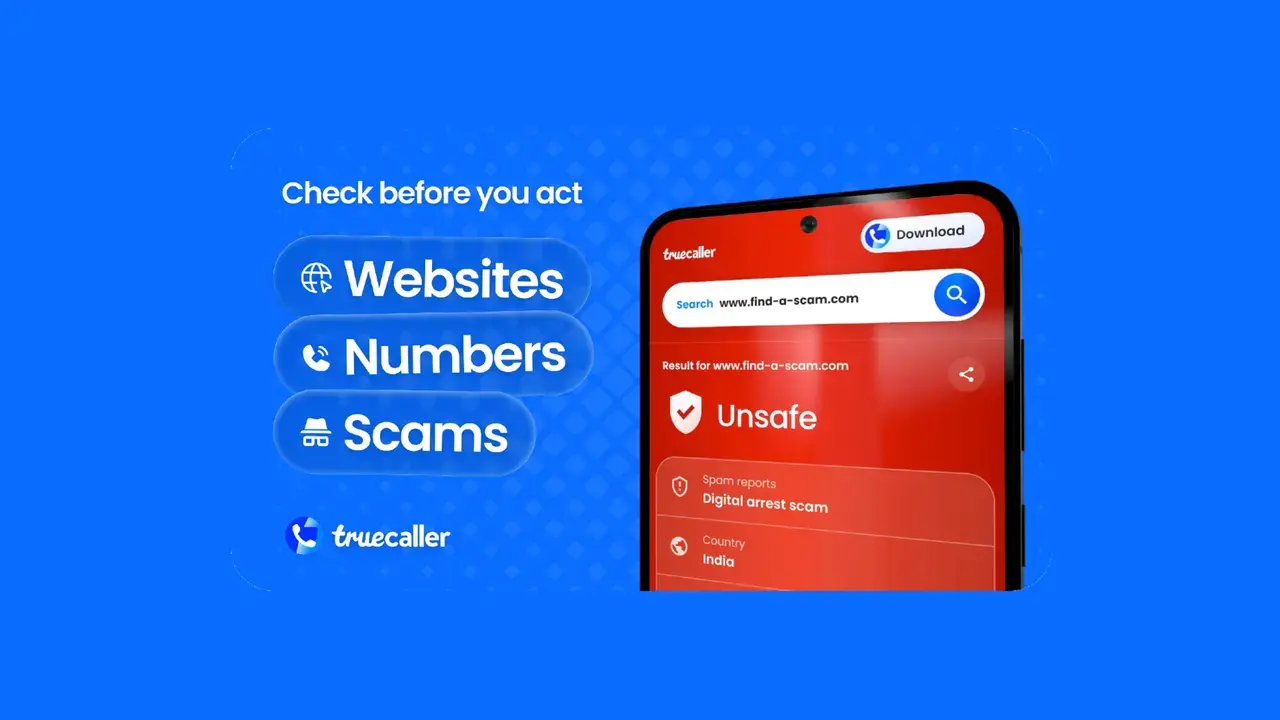
Truecaller, the global leader in caller identification services, has officially expanded its security operations by launching a web-based Scam Checker tool in India. This new initiative allows users to identify potential fraudulent activity without the need to install the mobile application or create a user account. By simply pasting suspicious phone numbers, web links, or SMS content into the platform, individuals can instantly verify risk levels based on Truecaller’s extensive community-driven databases. Designed to combat the rise of digital fraud, the service is currently available in the Indian market, with plans to extend its reach to Latin America, the Middle East, Africa, and Southeast Asia in the near future.
- The web-based Scam Checker provides fraud detection services without requiring users to download software or register for an account.
- Initial deployment of the tool focuses on the Indian market with planned expansions into other emerging global regions.
- The platform utilizes real-time community reports and advanced risk databases to identify fraudulent communication attempts.
Fraudulent Activities Have Migrated to Web Platforms
The landscape of modern fraud has evolved significantly, shifting from traditional voice-based scams to sophisticated tactics involving messaging applications and malicious web links. Truecaller’s strategic pivot reflects this changing reality as statistics from 2025 indicate that a vast majority of scam victims are now targeted through digital messaging platforms. CEO Rishit Jhunjhunwala noted that when users encounter suspicious links, their immediate reaction is to utilize search engines for verification. This common behavioral pattern served as the primary motivation for developing a browser-accessible security tool that addresses these modern digital threats. 
The Platform Conducts Advanced Risk Analysis
The Scam Checker operates as more than a simple database lookup; it performs a complex analysis of user-provided links by expanding them to investigate background redirects. The system autonomously parses embedded phone numbers and URLs from suspected messages, cross-referencing them with proprietary ScamFeed data and community-contributed reports. Current data reveals that India hosts approximately 20,000 active fraud reports, with this number increasing by 1,300 new entries every single week. Beyond individual protection, this aggregate data is expected to serve as a critical component for the company’s future enterprise-level risk management products.
Market Pressures Require Strategic Business Shifts
Despite maintaining a massive user base of over 350 million people in India, Truecaller is facing intensified competition. Telecom operators are increasingly developing their own native caller identification solutions, while major operating system providers like Google and Apple continue to integrate more robust spam protection features into their devices. Furthermore, regulatory demands for companies to share spam data with telecom operators have forced the organization to re-evaluate its traditional business model. Consequently, the company is transitioning from a standalone caller ID application into a versatile, multi-channel security platform.
Future Updates Will Expand Technical Capabilities
The company is already planning to enhance the utility of the Scam Checker by introducing new features. One upcoming development involves the implementation of an infrastructure that will allow users to submit screenshots for automated fraud analysis. Company leadership emphasizes that as scammers continuously refine their deceptive methods, security shields must evolve with equal speed and technical sophistication. By diversifying its service offerings, Truecaller aims to remain a vital asset for users navigating an increasingly dangerous digital environment.
How significant of a threat do you believe digital fraud poses to your daily online experience, and would you use a browser-based tool to vet suspicious links? We invite you to share your thoughts in the comments section below.
Your comment has been submitted,
it will be published after approval.