
Tesla Faces Manufacturing Hurdles for Optimus Humanoid Robot

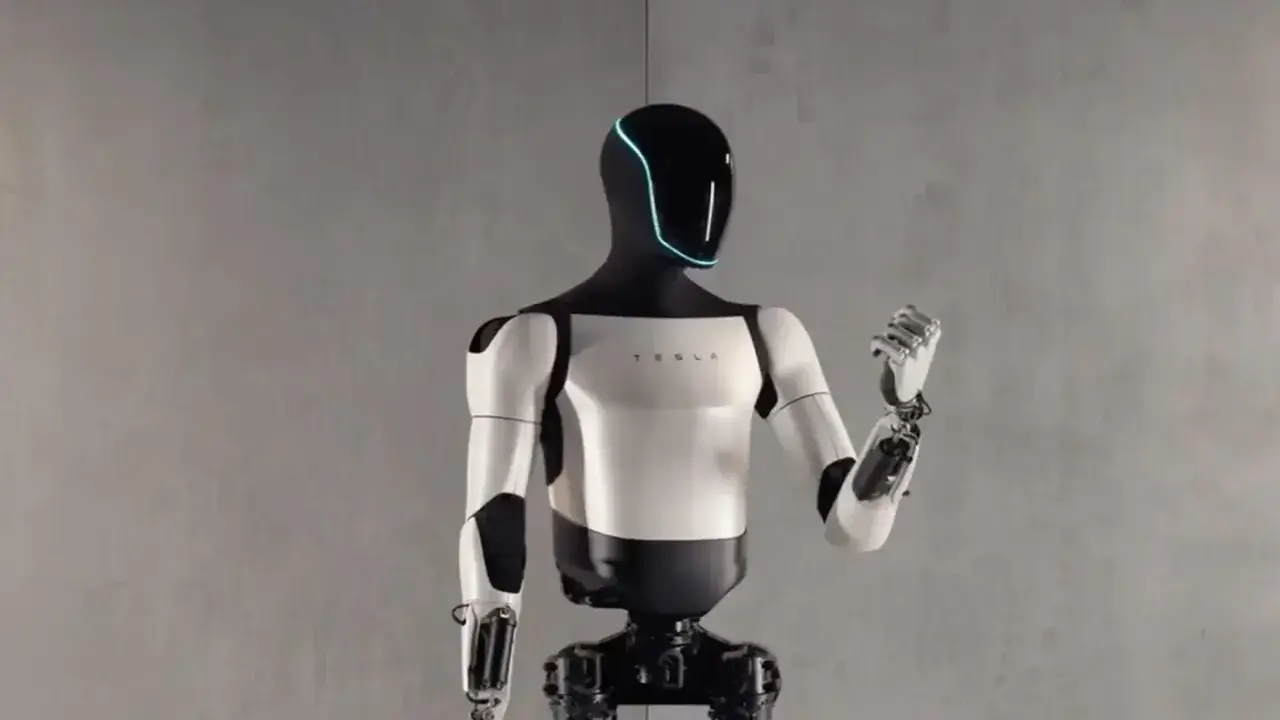
Tesla has significantly ramped up its production capacity for the Optimus humanoid robot by tenfold, aiming to manufacture 1,000 units weekly by the end of this year. Despite this ambitious growth, the company continues to grapple with persistent Tesla Optimus production issues that hinder the transition from prototype to reliable factory worker. While the current manufacturing momentum suggests the company is on track to meet its numerical targets, engineers acknowledge that high-volume assembly does not yet guarantee the robots will achieve optimal functionality under real-world conditions. Tesla remains under pressure to balance rapid scaling with the rigorous technical demands of advanced robotics.
- Tesla intends to produce 1,000 Optimus units every week by the end of the year.
- Technical difficulties regarding component alignment and sensor assembly continue to slow down the production line.
- Engineers are developing a modular sensor glove system to replace time-consuming individual component repairs.
- The company has collected over 500,000 hours of training data to improve the robot’s adaptability in dynamic environments.
Technical Bottlenecks Complicate Assembly Processes
According to reports from The Information, the path to mass production is obstructed by significant challenges involving third-party suppliers. Precise component alignment remains a primary technical obstacle, which frequently disrupts the efficiency of the assembly line. The robot’s hands serve as the most complex component, requiring the integration of over 100 individual parts. This assembly process is not only expensive but also incredibly time-consuming, as even minor errors necessitate extensive rework.
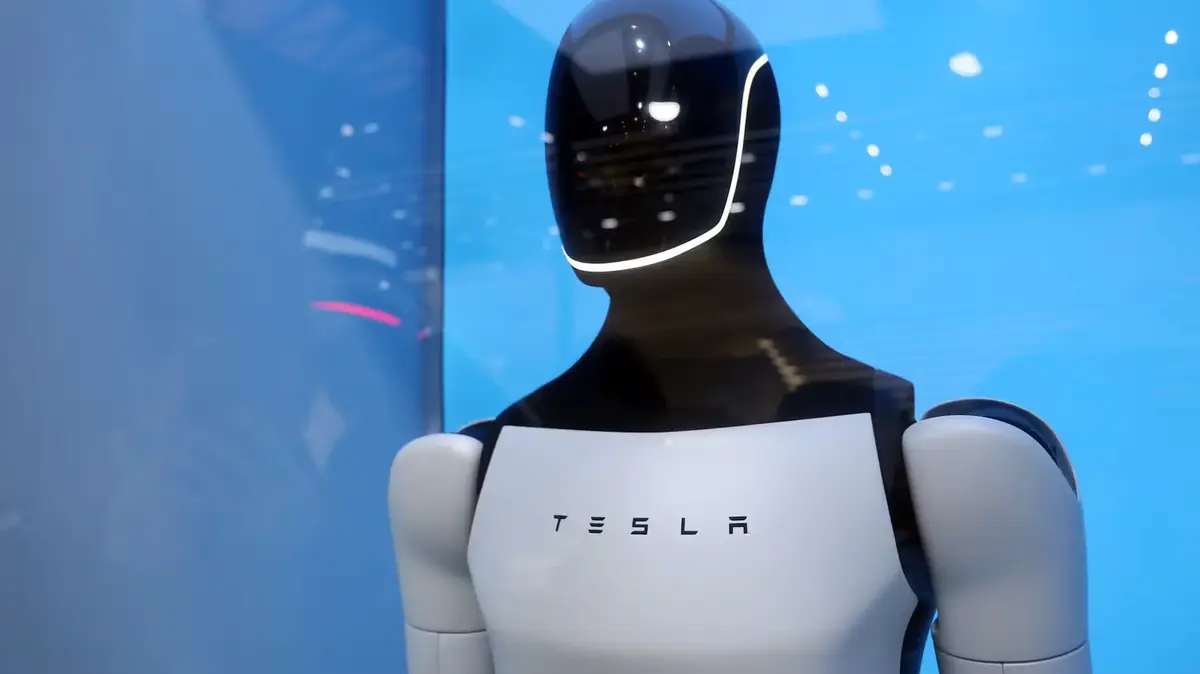
To mitigate these downtime issues, Tesla is shifting its strategy from replacing entire sensor arrays to implementing a swappable sensor glove. This design change aims to reduce the complexity of the hand assembly while maintaining the delicate tactile feedback and precision required for human-like tasks. Replicating the dexterity of a human hand within a robotic system remains a monumental engineering feat that requires constant refinement to ensure long-term durability.
Robots Must Adapt to Dynamic Environments
For the Optimus project to succeed, the machines must move beyond executing simple, pre-programmed commands. In a factory setting, the robot must be capable of handling unexpected variables, such as shifted inventory or obstacles in its path. Currently, Optimus excels at specific, repetitive tasks for which it has been explicitly trained, but it often exhibits erratic behavior when confronted with novel scenarios.
Tesla is addressing these limitations by building a comprehensive library of fundamental behaviors, including gripping, lifting, and walking. These actions serve as the building blocks for more sophisticated operations. To accelerate this learning curve, the company utilizes data gathered from employees equipped with motion-capture suits and cameras. This extensive data collection process is essential for helping the robot generalize its movements and learn new tasks more autonomously.
While achieving high-volume production is a vital milestone for the commercial viability of the project, it represents only the beginning of the journey. The ultimate success of the Optimus program depends on the robot’s ability to operate reliably millions of times without requiring constant human intervention or lengthy retraining periods. The engineering team is currently focused on bridging the gap between controlled testing and the unpredictable nature of the modern manufacturing floor.
As Tesla continues to push the boundaries of robotics, we want to hear from you: Do you believe the current pace of innovation is sufficient for humanoid robots to replace manual labor in our factories within the next decade? Share your thoughts in the comments section below.
Your comment has been submitted,
it will be published after approval.