
KAAN P1 Prototype Prepares for Upcoming Flight Tests

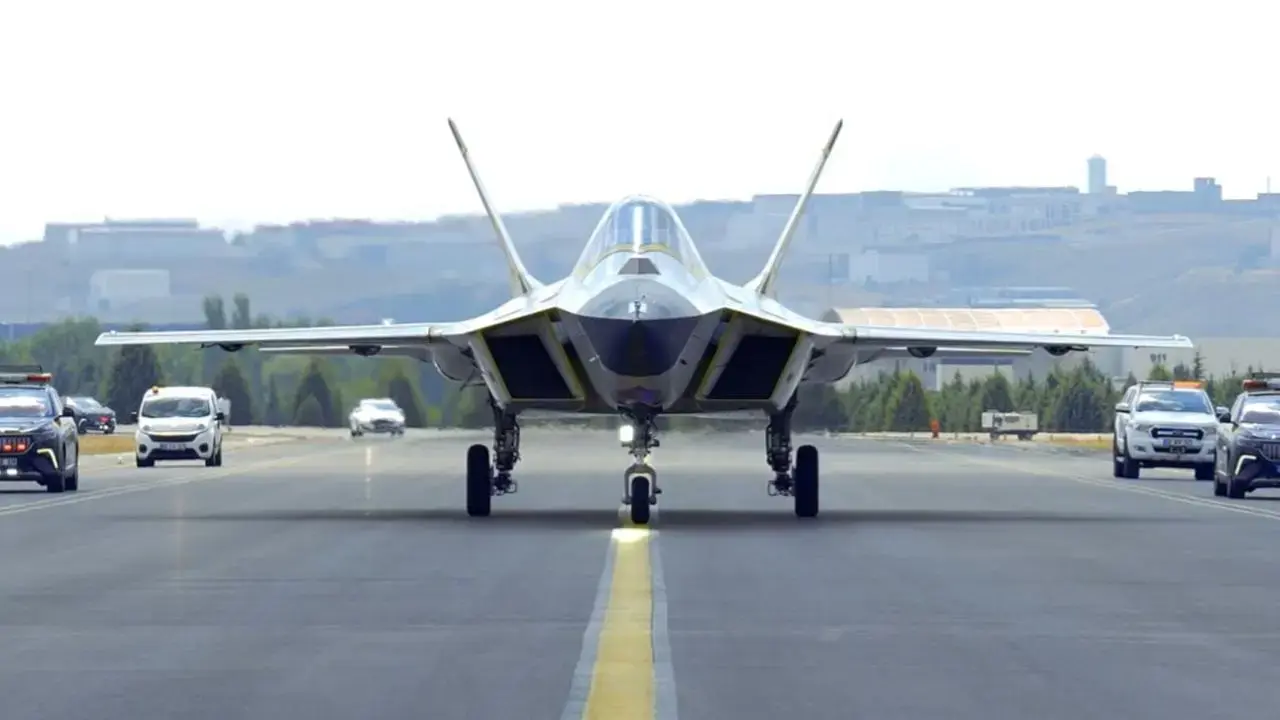
Turkish Aerospace Industries (TUSAŞ) is currently advancing the rigorous pre-flight testing phase for the KAAN P1 prototype, a critical milestone in Turkey’s indigenous fifth-generation fighter jet program. During the TEKNOFEST Southeast event, TUSAŞ General Manager Mehmet Demiroğlu announced that all primary system tests for the P1 have been successfully concluded, paving the way for upcoming ground-based evaluations. As the program accelerates, the development team is shifting focus toward high-speed taxi trials, which serve as the final hurdle before the aircraft takes to the skies. With the national aviation sector closely watching these developments, the P1 represents a significant step in the broader KAAN combat aircraft initiative.
- The KAAN P1 prototype has successfully completed all necessary system and slow-speed taxi tests.
- TUSAŞ aims to conduct the first flight of the P1 prototype before the end of 2026.
- The P2 prototype is currently undergoing parallel development and testing alongside the P1 unit.
- Future flight campaigns will utilize both prototypes to validate flight envelopes and weapon system integrations.
Ground Testing Phases Continue for the P1 Prototype
Following the successful completion of slow taxi tests, the engineering team is now preparing the P1 for high-speed taxi trials. These assessments are essential to verify the aircraft’s structural integrity and onboard system performance under dynamic conditions. Mehmet Demiroğlu emphasized that the decision to initiate the flight test is contingent upon the data gathered during these high-speed evaluations. If the aircraft demonstrates optimal performance and no technical irregularities are detected, the project team plans to proceed with the maiden flight of the P1 in the coming months, with potential windows identified in October or November.
Parallel Development Programs Are Being Conducted for P2
While the P1 draws significant attention, the KAAN program is simultaneously advancing the P2 prototype. According to TUSAŞ, both aircraft are currently located at the same facility, where engineers are working on intensive preparation cycles. The strategy involves using both P1 and P2 to conduct a comprehensive flight test campaign. This dual-track approach allows the manufacturer to expedite the testing of various weapon configurations and mission systems. By utilizing multiple prototypes, the program intends to perform envelope expansion tests more efficiently, ensuring that all systems are validated under diverse flight parameters.
Testing Campaign Expands for the KAAN Platform
The evolution of the KAAN program is evident in the transition from the initial P0 engineering prototype to the more advanced P1 and P2 models. While P0 served as the platform for the aircraft’s first-ever flight, the P1 and P2 units are engineered specifically for the deep-dive testing phase required for operational maturity. This expansion of the test fleet is expected to significantly increase the frequency and complexity of flight sorties. As the campaign moves into this more intensive phase, the data collected will provide the necessary evidence for the final production and integration of mission-critical software and hardware.
Flight Readiness Procedures Are Following a Strict Schedule
The roadmap for the KAAN prototype follows a disciplined sequence: system integration tests, followed by ground tests, high-speed taxi trials, and finally, the flight itself. Each of these segments is governed by strict safety protocols to ensure the integrity of the platform. Demiroğlu noted that the 2026 deadline remains a primary objective, highlighting the technical rigor required to sustain the project’s momentum. The upcoming high-speed taxi trials remain the most critical variable in determining the exact timeline for the next flight launch.
The rapid development of the KAAN fighter jet continues to be a major talking point in global defense aviation. Do you believe the current flight test schedule is realistic for the 2026 operational goals, or will the integration of new weapon systems require additional time? We invite you to share your thoughts and technical perspectives in the comments section below.
Your comment has been submitted,
it will be published after approval.