
Turkey Targets 2030 for KAAN Fighter Jet’s Domestic Engine Integration

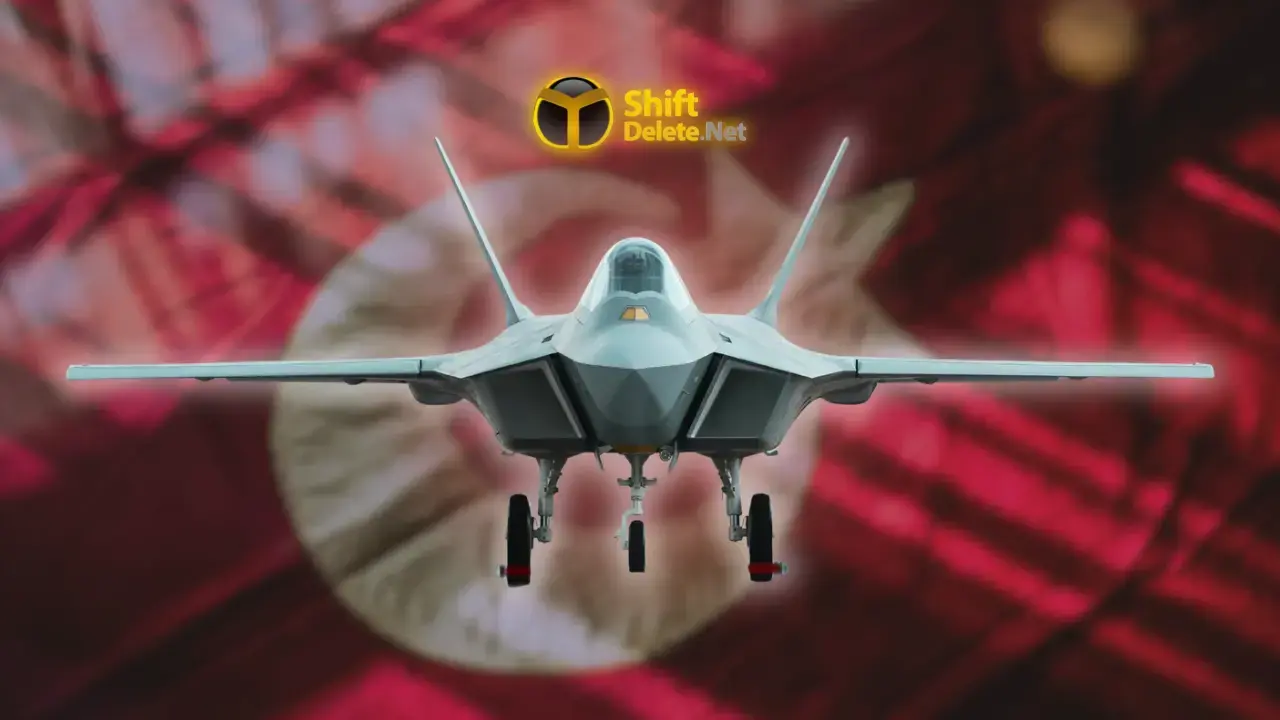
Turkish Aerospace Industries (TUSAŞ) has unveiled a critical roadmap for the KAAN national combat aircraft project, confirming plans to integrate a domestically developed engine by the early 2030s. During the ADEX 2026 defense exhibition in Baku, TUSAŞ General Manager Mehmet Demiroğlu announced that the Turkish national engine is scheduled to power the KAAN fighter jet within the next few years. This strategic transition marks a significant milestone in Turkey’s efforts to achieve full autonomy in its defense manufacturing capabilities, moving away from reliance on foreign propulsion systems as the advanced fighter program continues to evolve through its testing and development phases.
- TUSAŞ aims to integrate a domestically produced engine into the KAAN fighter platform by early 2030.
- The current KAAN P1 prototype is undergoing final modifications to resume flight tests before the end of 2026.
- More than 1,200 specialized engineers are currently focused on the development of the national engine under the management of TEI.
- The initial batch of KAAN aircraft will continue to utilize F110 engines before the transition to the national propulsion system occurs.
National Engine Development Proceeds Under Unified Management
The ambitious project to design a high-thrust turbofan engine for the KAAN is being led by the Presidency of Defense Industries. In a move to streamline operations, the development efforts previously conducted by separate entities have been consolidated under the TUSAŞ Engine Industries (TEI) umbrella. With a dedicated team of over 1,200 engineers, the project serves as a cornerstone for building Turkey’s sovereign design and manufacturing expertise in aerospace propulsion technologies. While foreign engines are necessary for the initial operational blocks, the ultimate goal remains the total elimination of external dependency for the aircraft’s power unit.
KAAN P1 Prototype Prepares for New Test Flights
Beyond the engine development program, TUSAŞ is actively preparing the KAAN P1 prototype for a return to the skies. General Manager Mehmet Demiroğlu reported that the aircraft has successfully completed its ground system integration phase. Following a series of minor technical adjustments, the aircraft will undergo rigorous ground testing. Once the team validates the performance metrics, the prototype is scheduled to commence high-speed taxi tests. If these trials proceed as expected, the company aims to conduct a successful test flight before the end of 2026, marking a pivotal moment in the flight testing schedule.
Strategic Planning Guides the Aircraft Development Process
The development of the KAAN is organized into distinct phases, allowing for the gradual integration of advanced domestic technologies. By utilizing the F110 engine for early production models, engineers can focus on flight characteristics and structural performance without delaying the overall program timeline. This phased approach ensures that the platform remains viable while the domestic engine undergoes the complex validation and certification processes required for military aviation. The transition to the national engine will occur in later production blocks, effectively upgrading the aircraft’s capabilities and ensuring long-term maintainability for the Turkish Air Force.
As Turkey reaches for higher levels of independence in aerospace technology, we invite you to share your thoughts on the KAAN project. Do you believe the 2030 target for the domestic engine is achievable given the current technological progress? Leave your comments below to join the discussion on the future of Turkish defense capabilities.
Your comment has been submitted,
it will be published after approval.