
Apple Introduces Nano-Texture Solution to Minimize iPhone Duo Crease

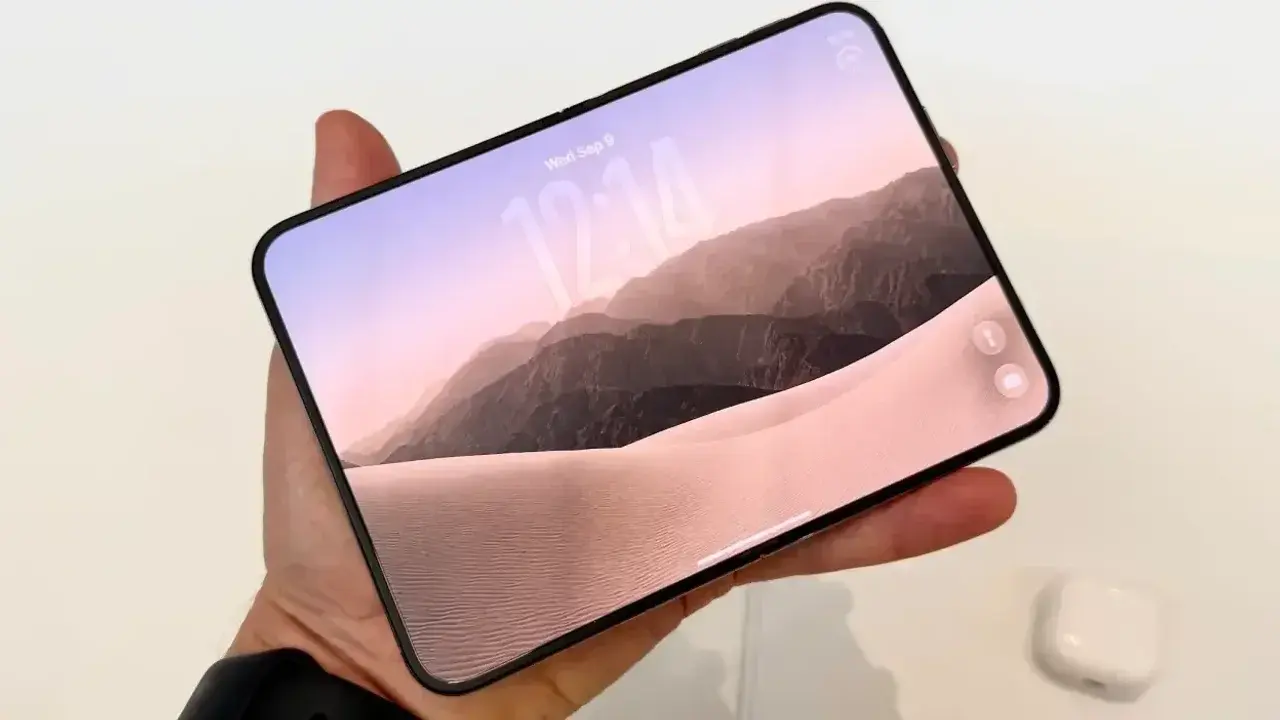
Apple has officially unveiled a significant technological advancement for its upcoming foldable device, the iPhone Duo, aimed at addressing the persistent issue of screen creasing. By integrating a specialized nano-texture coating onto the internal display, the tech giant aims to minimize the visible fold line that has long plagued foldable smartphone technology. This development, spearheaded by Apple’s hardware engineering team, represents years of research into material science and screen durability. The new mat-finished layer not only obscures the crease but also enhances screen clarity by significantly reducing light reflections, providing a superior visual experience for users across various lighting conditions.
- Apple utilizes a proprietary nano-texture coating to reduce the physical visibility of the display crease on the iPhone Duo.
- The matte screen finish serves as both an aesthetic enhancement and a functional tool to mitigate distracting light reflections.
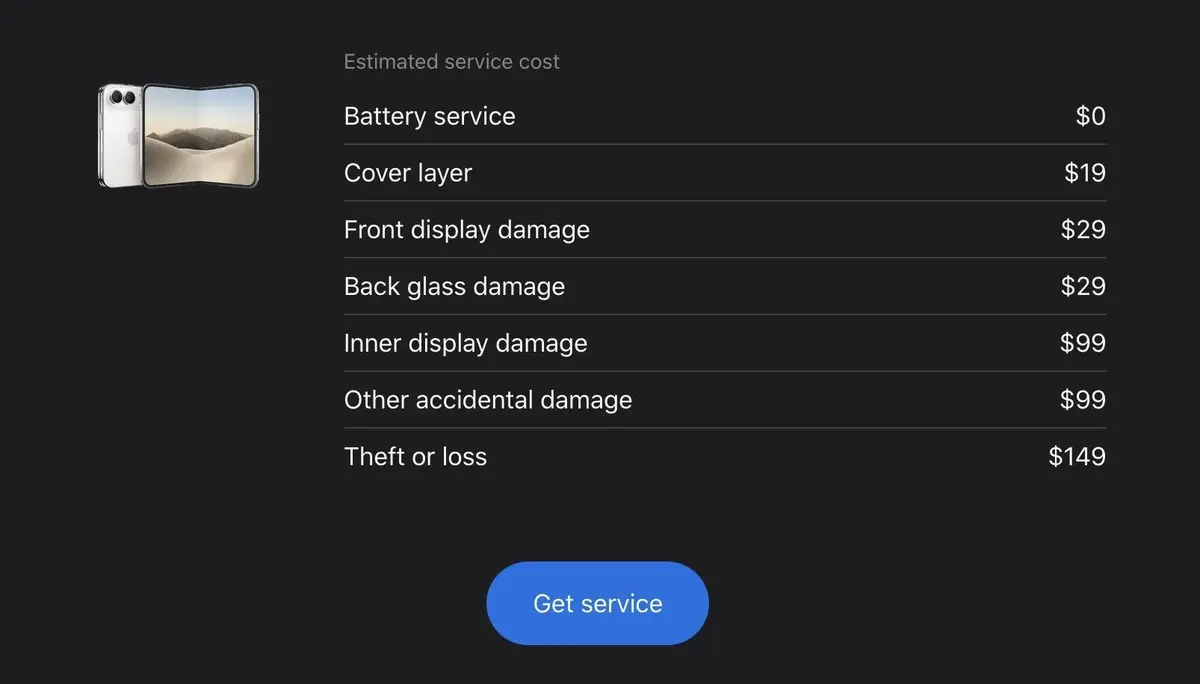
- Users can replace the worn-out protective layer through professional services to extend the overall longevity of the foldable screen.
- Apple has set the initial replacement fee for this specific display component at 19 dollars for AppleCare+ members.
During a detailed technical breakdown, Kate Bergeron, Apple’s Vice President of Hardware Engineering, emphasized the rigorous testing process the company underwent to perfect this material. The nano-texture is designed to counteract the physical deformation that occurs when a flexible screen is repeatedly folded. By absorbing and diffusing stress at the hinge point, the coating maintains a smoother surface, preventing the permanent indentation that often manifests in competitive foldable devices.
This innovation is positioned as a structural component rather than a simple screen protector, ensuring that the device’s visual integrity remains intact over years of daily usage.
Engineers Optimize the Durability of the Display
The engineering team focused heavily on balancing flexibility with long-term resilience. Because the material must withstand thousands of folding cycles, the chemical composition of the nano-texture was refined to resist micro-cracking and surface wear. This research ensures that the anti-reflective properties do not degrade over time, maintaining screen performance regardless of the environment. Apple’s approach marks a departure from traditional plastic-based screen protectors, moving toward a more sophisticated, integrated display solution that prioritizes both visual consistency and mechanical endurance.
The Replacement Strategy Extends Device Lifespan
One of the most notable features of this display architecture is the ability for the screen coating to be replaced. Recognizing that even the most durable materials eventually show signs of fatigue, Apple has structured the iPhone Duo to allow for a specialized layer swap. This strategic decision prevents the need for full screen replacements, which are typically costly and labor-intensive. By isolating the wear-and-tear component, Apple offers a more sustainable path for foldable device maintenance.
While the service is currently priced at 19 dollars for those covered under AppleCare+, the process for out-of-warranty repairs remains to be finalized. Furthermore, the company has not yet clarified whether this maintenance procedure can be performed by the user or if it requires a certified technician to ensure proper application. As the industry watches closely, this modular maintenance model may set a new standard for how manufacturers manage the delicate components of foldable technology. Whether this approach effectively bridges the gap between early-adopter fragility and long-term reliability remains a subject of ongoing debate among tech enthusiasts.
We are curious to hear your thoughts on this maintenance-focused approach; do you believe a replaceable screen coating is the definitive solution to the durability concerns of foldable smartphones, or would you prefer a more permanent, non-replaceable screen technology? Share your views in the comments below.
Your comment has been submitted,
it will be published after approval.