
Galaxy Users Report Slower Charging Speeds After One UI 9.0 Update

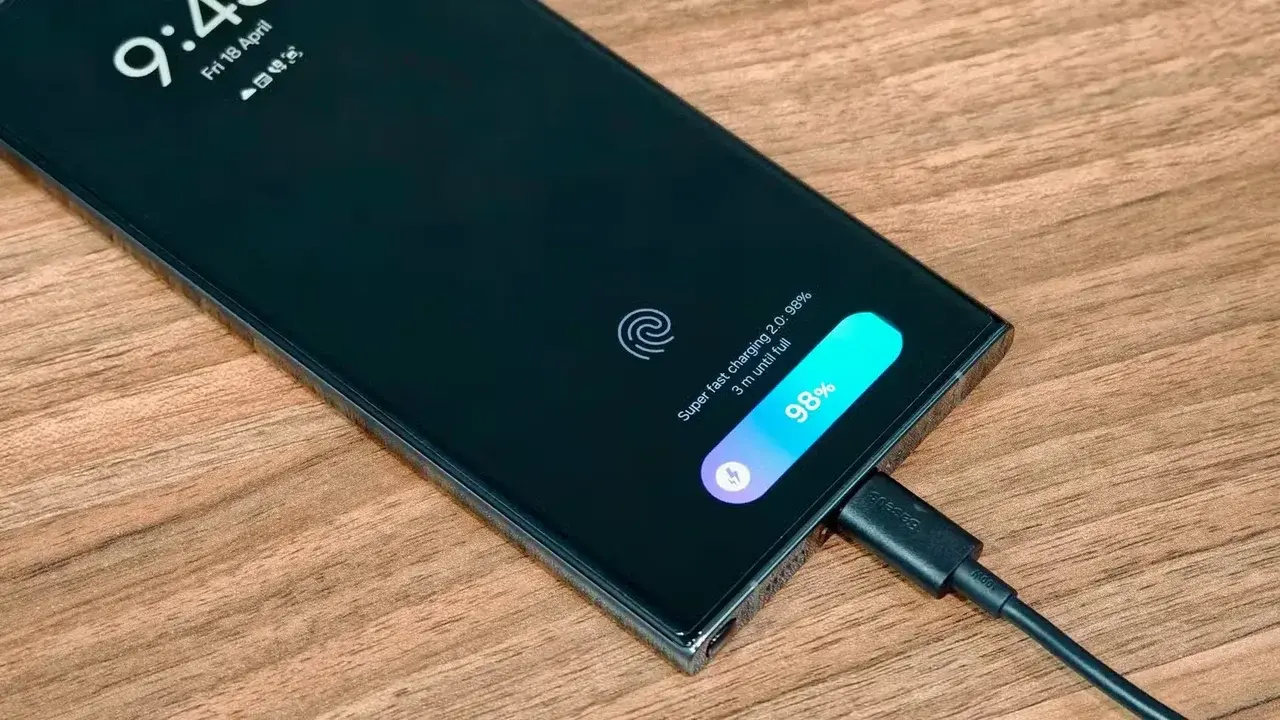
Samsung users are currently reporting significant concerns regarding battery performance following the recent deployment of the One UI 9.0 update. Many Galaxy device owners, particularly those using the flagship Galaxy S25 series, have observed that their smartphones now charge at noticeably slower speeds compared to the previous software iteration. These reports, which have begun appearing across various tech forums, suggest that the issue affects both the peak charging wattage and the duration for which the device maintains high-speed power input. While Samsung has not yet officially confirmed these claims, the consistency of user experiences has sparked widespread discussion regarding potential changes to charging profiles in the latest firmware update.
- Users report that the One UI 9.0 update restricts maximum charging wattage on Galaxy S25 series devices.
- Comparative tests indicate that high-speed charging phases are significantly shorter after the software installation.
- Samsung has not confirmed whether these changes represent a deliberate modification to power management protocols.
- Similar charging irregularities are surfacing among Galaxy S24+ users participating in the beta testing phase.
Observed Changes Affect Charging Performance
Detailed measurements provided by users highlight a specific shift in how the Galaxy S25+ handles power intake. Prior to the update, the device maintained charging speeds exceeding 40W until the battery reached a 25 percent capacity. Following the installation of One UI 9.0, the charging power reportedly drops to approximately 34W once the battery hits the 13 percent threshold. Even when users attempt to force a higher rate by reconnecting the charger, the device consistently throttles the power back down after a brief window of ten seconds. 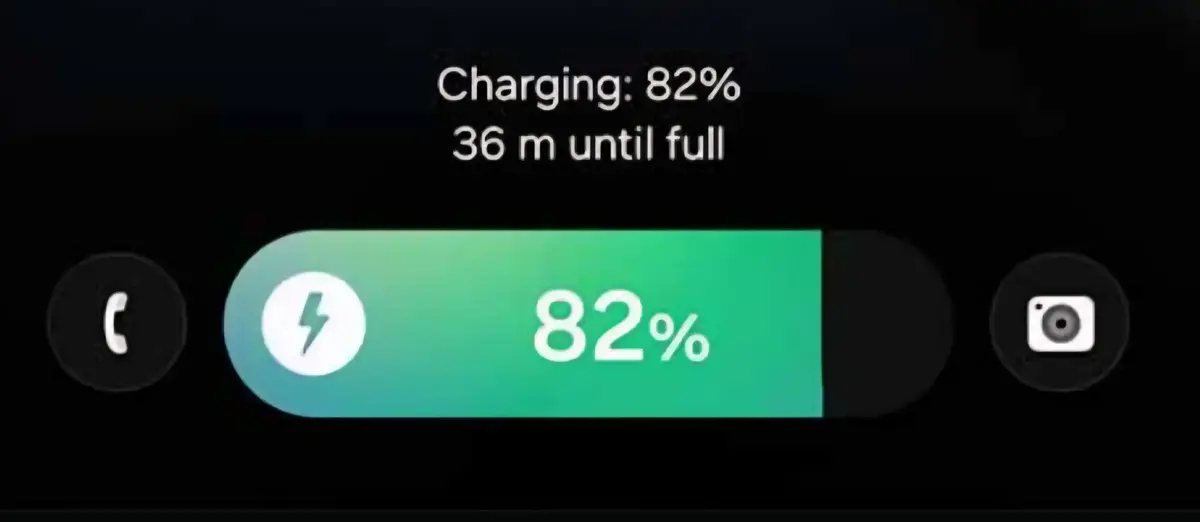
These observations are not isolated to a single charging configuration. Galaxy S25 Ultra owners have reported identical behavior when utilizing Samsung’s official Super Fast Charging 2.0 adapters, as well as high-quality third-party accessories. Because the issue persists across various hardware setups, users are increasingly pointing to the software update as the primary catalyst for this change in power management behavior.
Safety Protocols and Potential Hardware Factors Remain Unconfirmed
Industry observers speculate that the alteration might be a precautionary measure following recent reports concerning battery safety and thermal incidents involving the Galaxy S25 series. Although there is no official statement from Samsung linking the One UI 9.0 update to specific safety-driven power caps, it is common for manufacturers to adjust thermal management profiles in response to hardware performance data. Nevertheless, it remains difficult to distinguish between intentional software limitations and unintended bugs without an official explanation from the company.
It is important to note that external factors often influence charging speed, including ambient temperature, the quality of the USB cable, and the current state of battery health. However, because these comparative tests utilize identical equipment and controlled thermal conditions, the discrepancy remains a point of contention for many users. As of now, Samsung has not released a patch or an acknowledgment regarding a potential defect. The tech community continues to monitor whether this behavior is a uniform policy for all devices or if it is restricted to specific hardware configurations. Further investigation and official technical documentation will be necessary to clarify whether this shift in charging behavior is a permanent design change or a software oversight awaiting correction.
Have you noticed your Samsung device taking longer to charge since installing the latest software? Share your experiences and specific model details in the comments section below to help us map out the extent of this issue.
Your comment has been submitted,
it will be published after approval.