
NVIDIA RTX Spark Architecture Set to Revolutionize Windows PC Performance

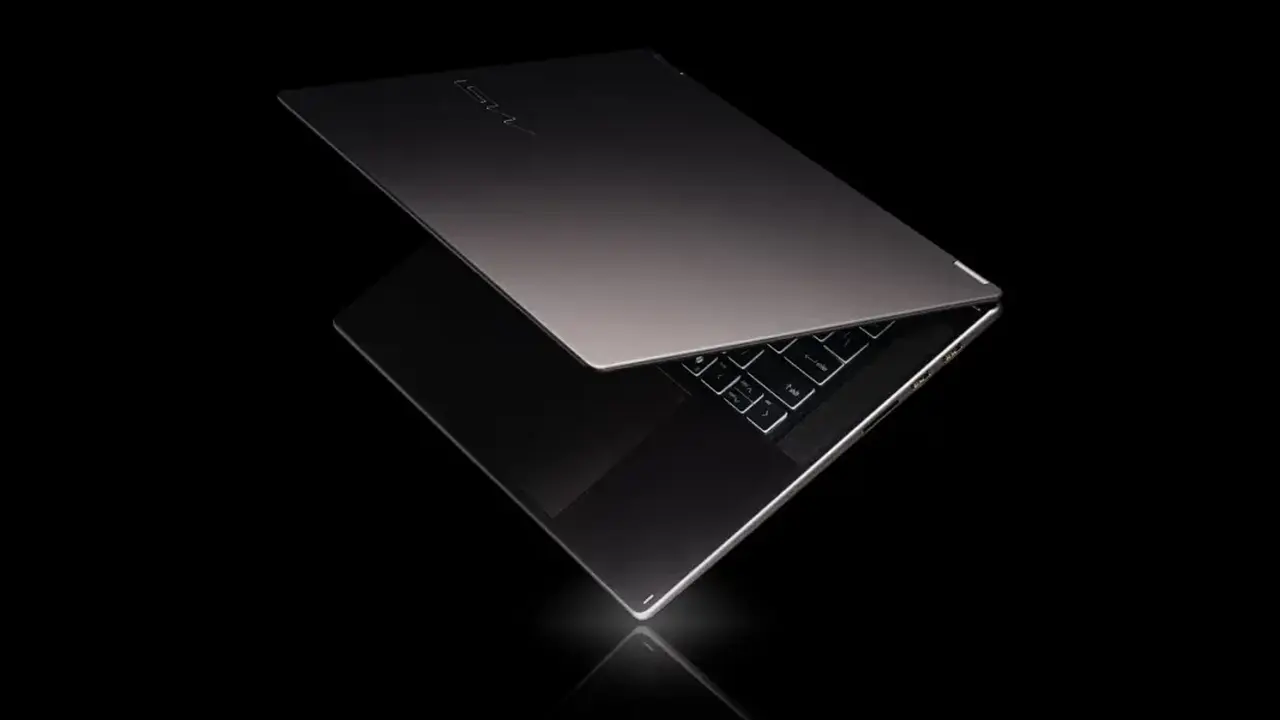
Starting this October, the Windows ecosystem will undergo a significant transformation as NVIDIA officially introduces the RTX Spark architecture to the market. This groundbreaking technology integrates advanced artificial intelligence capabilities directly into both desktop and laptop computers, fundamentally altering how users interact with their hardware. By leveraging 1 PetaFLOP of FP4 AI performance alongside Grace CPU power and up to 128 GB of unified memory, RTX Spark redefines current hardware standards. Industry giants including Dell, HP, MSI, ASUS, and Acer are already preparing to launch devices that prioritize extended battery life and secure, local AI-driven resource management in collaboration with Microsoft.
- The RTX Spark architecture achieves 1 PetaFLOP of FP4 AI performance through a unified superchip design.
- Local AI agents optimize system resources and automate complex development workflows without cloud dependency.
- Advanced DLSS 4.5 support enables real-time, interactive 3D rendering and path tracing for professional design software.
- Major manufacturers are integrating these chips into high-end laptops to balance intense graphical power with extended battery efficiency.
AI Agents are Automating Complex Creative Workflows
The practical application of the RTX Spark architecture becomes evident when analyzing professional creative and development tasks. Local AI agents are designed to handle time-consuming processes such as code reviews and error detection, allowing developers to focus on higher-level problem solving. Furthermore, content creators utilizing tools like Adobe Photoshop can process heavy-duty generative AI workloads locally. By shifting these demands away from remote cloud servers, the hardware enables instantaneous rendering and editing, significantly reducing project completion times for creative professionals.
Graphics Performance is Reaching New Interactive Standards
Beyond productivity, the gaming and 3D visualization sectors stand to benefit from the integration of DLSS 4.5 technology. In software like Blender, the architecture allows for completely interactive 3D scenes even when utilizing heavy path tracing, eliminating the need to wait for long render times. This real-time feedback loop is a game-changer for 3D artists. Simultaneously, gaming performance in titles such as EA Sports F1 25 and ARC Raiders demonstrates that the superchip delivers high-fidelity ray tracing, proving its capability to handle both demanding professional software and modern, graphics-intensive gaming environments.
Hardware Selection Criteria are Changing for Consumers
The arrival of this technology forces a shift in how consumers evaluate new computer purchases. Moving forward, potential buyers must look beyond traditional metrics such as CPU clock speeds or basic RAM capacity. The critical question for the next generation of computing involves the capacity of the hardware to manage routine processes through local, on-device AI. As NVIDIA transitions artificial intelligence from distant servers to the desktop, the role of the personal computer is evolving into a more proactive, intelligent assistant capable of managing system resources and complex tasks autonomously.
As we approach the October launch, we are curious to hear your thoughts on this shift toward local AI integration. Do you believe having an AI-driven superchip in your laptop will change your daily workflow, or do you prefer relying on cloud-based solutions? Share your perspective in the comments section below.
Your comment has been submitted,
it will be published after approval.