
ASELSAN Unveils Ambitious 198-Satellite GÖKBAĞ Network at IAC 2026

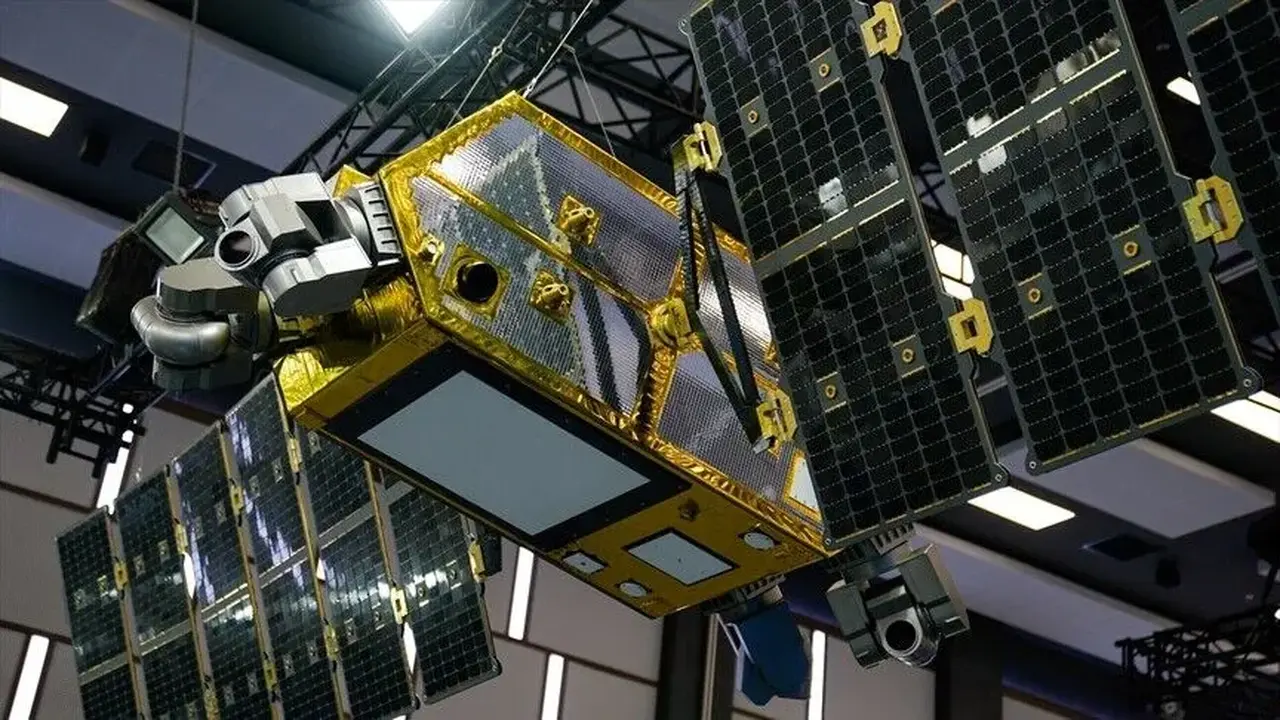
At the 77th International Astronautical Congress (IAC 2026) held in Antalya, Turkish defense giant ASELSAN officially showcased the first tangible model of its GÖKBAĞ satellite project. ASELSAN General Manager Ahmet Akyol confirmed that the system is designed as a constellation consisting of 198 satellites operating in unison. Initiated last year to meet state-level requirements, the project is currently in the advanced design phase, with the initial launches scheduled to commence between 2028 and 2029. This massive Low Earth Orbit (LEO) constellation marks a significant milestone in Turkey’s strategic efforts to bolster its indigenous space-based communication and navigation capabilities.
- The GÖKBAĞ system will consist of 198 satellites operating in Low Earth Orbit to enhance national communication and positioning infrastructure.
- ASELSAN is developing critical components in-house, including specialized BFIC chips designed to maximize frequency efficiency.
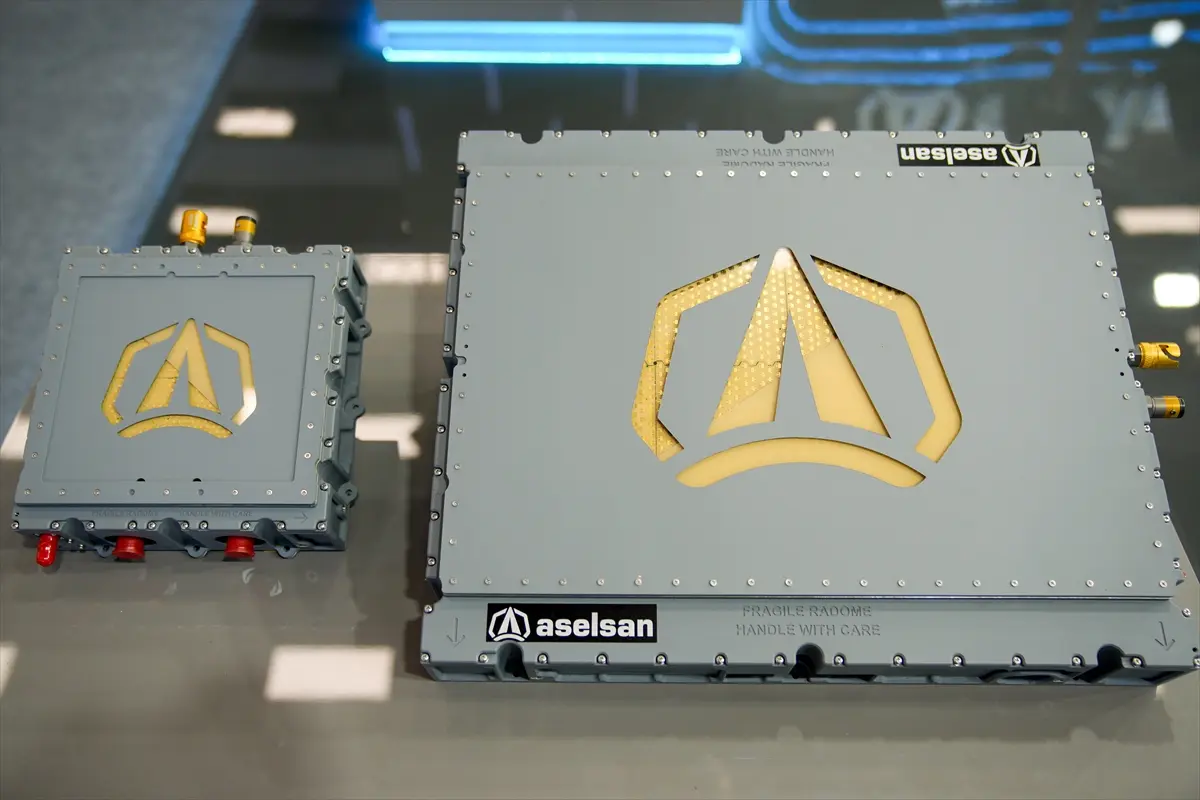
- The company has integrated AESA-based satellite receivers to enable advanced digital tracking rather than relying on mechanical antennas.
- Initial deployment of the satellite constellation is slated to begin during the 2028-2029 period.
Navigation and Communication Services are Being Expanded
The primary objective of the GÖKBAĞ constellation is to provide robust solutions for navigation and secure communication. By leveraging LEO technology, the project aims to bridge gaps in current infrastructure, ensuring that Turkey maintains sovereign control over its critical space data. ASELSAN is not merely acting as an integrator; the firm is spearheading the development of the satellite platforms and their underlying hardware from the ground up to ensure complete technological independence.
Advanced Satellite Chips are Being Engineered In-House
One of the most notable technical aspects of the project involves the domestic development of specialized chips. Ahmet Akyol emphasized that the design of BFIC (Beamforming Integrated Circuit) chips is being conducted internally to improve frequency efficiency. This strategic approach serves a dual purpose: it significantly reduces the overall cost of the LEO system while simultaneously ensuring that critical intellectual property remains within the national ecosystem. By controlling the design of these core components, ASELSAN ensures that the hardware is optimized specifically for the needs of the GÖKBAĞ network.
AESA-Based Satellite Receivers are Being Implemented
Beyond the space-borne assets, ASELSAN is making significant progress in ground-side technology. The company has successfully developed AESA-based satellite receivers, which represent a leap forward in antenna technology. Unlike traditional mechanical systems that require physical movement to track satellites, these digital systems offer precise, high-speed tracking capabilities. Furthermore, these receivers are designed with low-visibility features, ensuring that the ground segments remain robust and efficient even under demanding operational conditions. 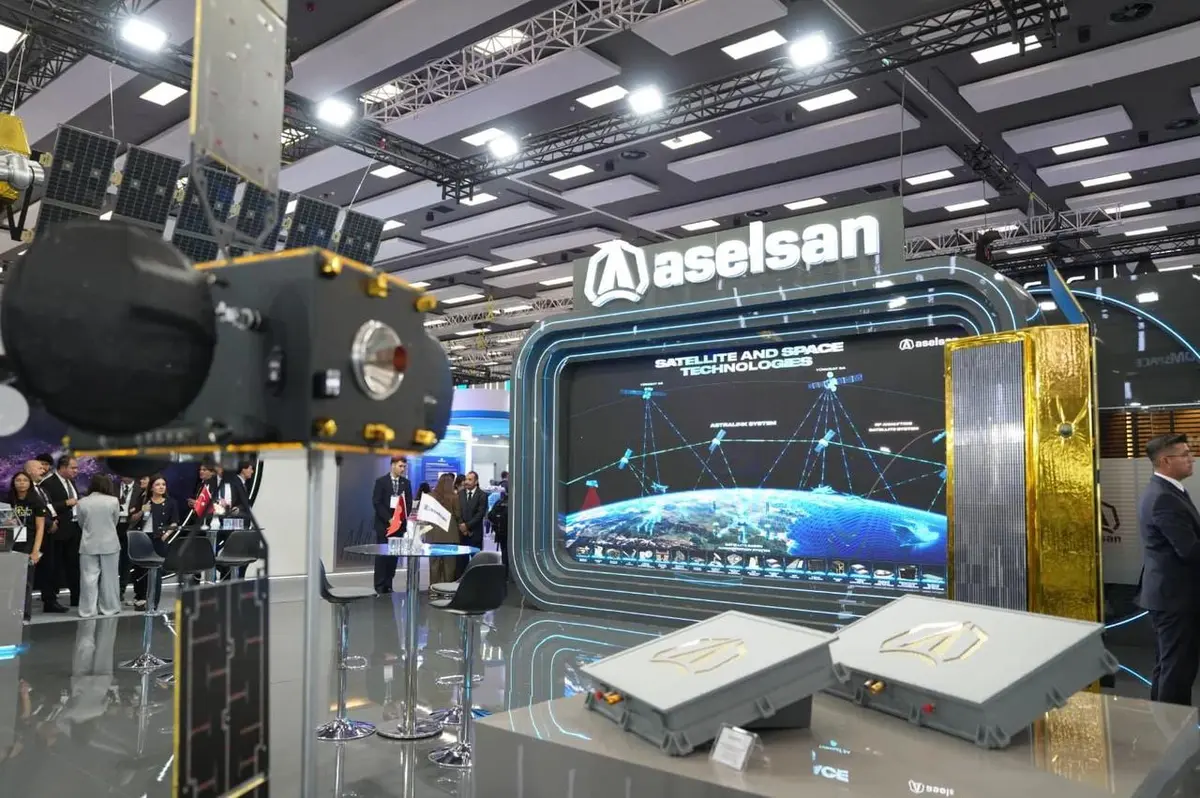
New Payloads for GÖKTÜRK are Being Developed
In addition to the GÖKBAĞ project, ASELSAN utilized the IAC 2026 platform to introduce new payloads for the GÖKTÜRK satellite series. These upgrades are intended to enhance Turkey’s space-based surveillance capabilities, specifically by enabling sub-cloud observation and advanced analytical functions. These advancements are supported by ongoing capacity expansions at the Oğulbey Technology Base, which serves as the primary hub for ASELSAN’s research and development in LEO satellite technologies.
As Turkey accelerates its presence in Low Earth Orbit with the massive GÖKBAĞ project, we invite you to share your thoughts on the future of our national space capabilities in the comments section below.
Your comment has been submitted,
it will be published after approval.