
Toshiba Invests $380 Million to Double HDD Production Capacity

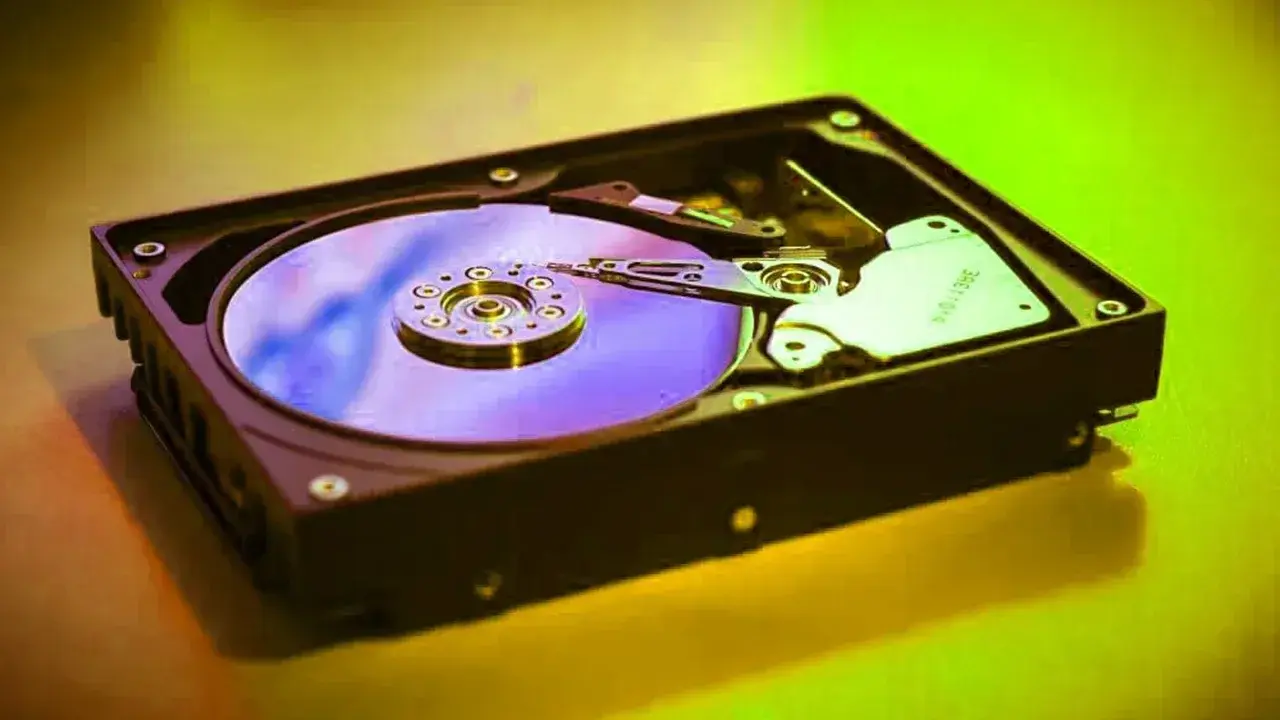
Toshiba is significantly expanding its sabit disk üretim kapasitesi (hard disk production capacity) with a $380 million investment in its Philippine manufacturing facilities. Located at the Laguna Technopark, the company is upgrading its LTI factory with new production lines to meet the surging global demand for nearline HDDs driven by artificial intelligence and expanding data centers. This strategic move, representing the company’s largest investment in hard drive manufacturing in five years, aims to bolster its market position against competitors like Seagate and Western Digital. By integrating advanced automation, Toshiba intends to accelerate production speeds and enhance output efficiency to serve high-capacity data storage requirements effectively.
- Toshiba is investing approximately 380 million dollars to expand its hard disk production facility in the Philippines.
- The company aims to increase storage density by 40 percent through the implementation of Microwave-Assisted Magnetic Recording technology.
- New automation systems in the facility will reduce the necessity for additional personnel by approximately 40 percent.
- Toshiba targets an increase in its exabyte market share from the current 10 percent to 30 percent in the medium term.
Production Efficiency and Advanced Technologies Increase
The expansion project focuses on integrating state-of-the-art production lines capable of manufacturing next-generation high-capacity drives. Toshiba is leveraging its proprietary Microwave-Assisted Magnetic Recording (MAMR) technology, specifically for the M12 series, to push the boundaries of storage density. These drives, which can incorporate up to 11 platters, are engineered to provide capacities exceeding 30 TB per unit. 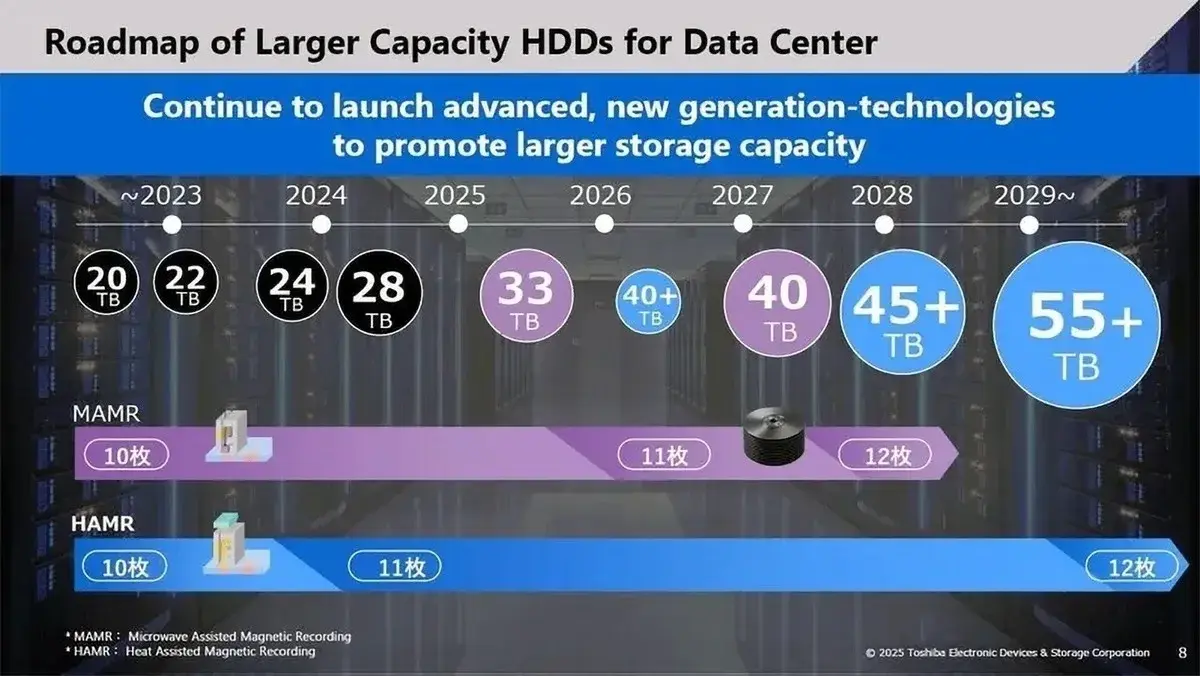
Beyond merely increasing the volume of units, the company is prioritizing operational excellence. By modernizing clean room operations and enhancing the inspection processes through increased automation, Toshiba expects to streamline its manufacturing cycle. This shift towards automated systems not only optimizes the production workflow but also reduces human intervention requirements by nearly 40 percent, marking a significant evolution in their factory management strategy.
Market Competitiveness and Long-Term Goals Change
The current market landscape is characterized by a high demand for nearline HDDs, particularly within the 30 TB and 40 TB categories. While competitors have been aggressive in ramping up their supplies, Toshiba has faced capacity constraints. Despite having a limited current inventory, the company has consistently sold its entire production output, confirming the strong market appetite for its 24 TB CMR and 28 TB SMR models.
Looking toward the future, Toshiba has articulated a comprehensive roadmap for technological advancement. Beyond the immediate production of the 30 TB class drives, the company plans to introduce 40 TB models containing 12 platters by 2027. The long-term vision extends even further, with research and development efforts currently targeting the mass production of 65 TB drives by 2030, followed eventually by 100 TB solutions.
This aggressive scaling strategy is designed to capture a larger portion of the global exabyte market. By elevating its current 10 percent market share to a targeted 30 percent, Toshiba aims to secure its role as a primary provider for the infrastructure needs of the AI era. As data centers continue to prioritize high-density storage solutions, these technical milestones remain central to the company’s broader fiscal and technological objectives.
As cloud storage and AI workloads continue to push the limits of data infrastructure, we invite you to share your perspective on whether high-capacity HDDs remain the most viable solution for data centers compared to the rapid adoption of SSDs.
Your comment has been submitted,
it will be published after approval.