
OpenAI Implements Invisible Watermarking for ChatGPT Text Output


In a major push for transparency, OpenAI is rolling out a sophisticated digital watermarking technology for its generative AI models, including ChatGPT and Codex. This initiative is designed to comply with the European Union’s strict transparency regulations, which require AI providers to label machine-generated content. By integrating a system known as textGrain, OpenAI intends to embed invisible statistical signals into text and code outputs, making it easier to identify content generated by its models. The deployment, which aligns with the EU’s December 2 deadline, marks a pivotal moment in the ongoing effort to enhance accountability and authenticity in the digital landscape.
- OpenAI is introducing the textGrain system to embed statistical markers into AI-generated text.
- The technology aims to satisfy the European Union’s AI Act requirements regarding machine-readable identification.
- The detection system currently achieves an 80% success rate under optimal conditions.
- Access to the watermark detection tool remains restricted to verified researchers and specialized institutions.
The textGrain Technology Functions Through Statistical Patterns
The core of OpenAI’s new strategy lies in the textGrain technology, which functions by subtly altering the probability distribution of word choices during the generation process. These modifications create a unique, invisible statistical signature that acts as a digital watermark. Unlike traditional metadata, this signal is woven into the fabric of the text itself, allowing specialized detectors to verify whether a piece of content originated from an OpenAI model.
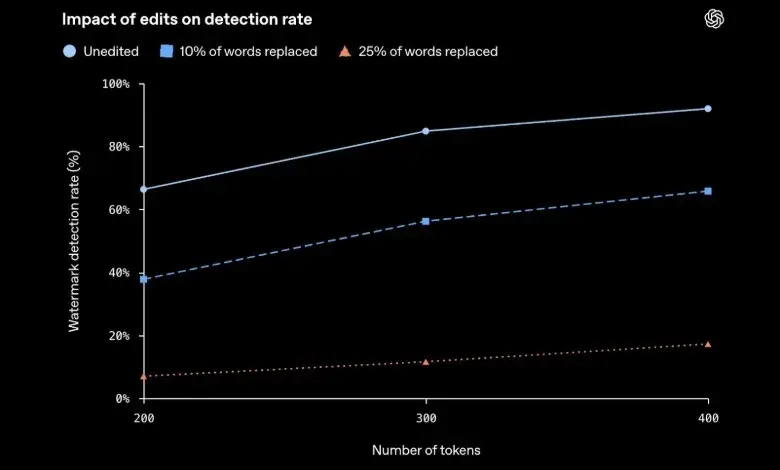
OpenAI asserts that the performance of this system is competitive with existing industry solutions such as Google’s SynthID. However, the company maintains a transparent stance regarding the limitations of this technology. While effective under controlled environments, the detection process can struggle with shorter snippets of text or highly technical mathematical content. Furthermore, the accuracy rate of approximately 80% is subject to degradation if the text undergoes significant human editing or rephrasing after generation.
European Union Regulations Dictate Compliance Deadlines
The initiative is primarily driven by Article 50 of the European Union’s AI Act, which mandates that generative AI providers ensure their outputs are clearly identifiable as machine-made. This regulation applies broadly to both established industry giants, such as Meta, Google, and Microsoft, and smaller entities operating within the EU market. For existing organizations, the regulatory deadline is set for December 2.
OpenAI plans to enable this watermarking feature by default for ChatGPT and Codex users located within the European Union. For users in other global regions, the feature will be available as an opt-in setting for specific models. To ensure the responsible use of this tracking capability, OpenAI is initially limiting access to the detection software to vetted experts and research organizations. The company has clarified that this process is designed to protect user privacy, as the detector does not store individual prompts or identify specific users.
Future Developments Focus on Open Source Collaboration
Looking ahead, OpenAI aims to promote broader industry collaboration by eventually making the watermarking technology open source. By allowing the developer community to analyze and improve upon the textGrain system, the company hopes to establish a more robust standard for AI transparency. While specific details regarding which models will receive the update remain forthcoming, the industry views this as a foundational step toward building long-term trust in generative AI tools.
As AI-generated content becomes increasingly indistinguishable from human writing, do you believe these invisible watermarks are a sufficient solution for digital integrity, or should we be looking toward more comprehensive verification methods? Share your thoughts in the comments section below.
Your comment has been submitted,
it will be published after approval.