
Man Sentenced to 18 Months for AI Music Streaming Fraud


A 54-year-old North Carolina man named Michael Smith was sentenced to 18 months in prison by a federal court in New York for orchestrating a massive AI-powered music fraud scheme. Operating between 2017 and 2024, Smith manipulated major streaming platforms by using automated software and thousands of bot accounts to generate fake streams for AI-generated tracks. By exploiting royalty payment systems, he illegally obtained over $8 million in revenue. This landmark case, which concluded with a forfeiture order for the illicit gains, highlights the growing legal challenges posed by artificial intelligence in the digital music industry.
- Michael Smith received an 18-month prison sentence for executing a long-term music streaming manipulation scheme.
- The perpetrator used AI-generated songs and thousands of bot accounts to siphon over $8 million in royalties.
- A federal court ordered the complete forfeiture of the $8.09 million in illegal profits obtained during the operation.
- The case represents one of the first criminal prosecutions regarding AI-assisted music fraud in the United States.
How the Artificial Intelligence Fraud Scheme Operated
The fraudulent operation initiated by Smith relied on a sophisticated infrastructure designed to bypass the security measures of major music streaming services. Initially, the suspect uploaded his own music to these platforms; however, as the demand for higher volume grew, he transitioned to utilizing artificial intelligence software to produce an endless stream of audio content. By generating hundreds of thousands of individual tracks, the system could distribute activity across a vast network of bot accounts, which sometimes numbered up to 10,000 simultaneously.
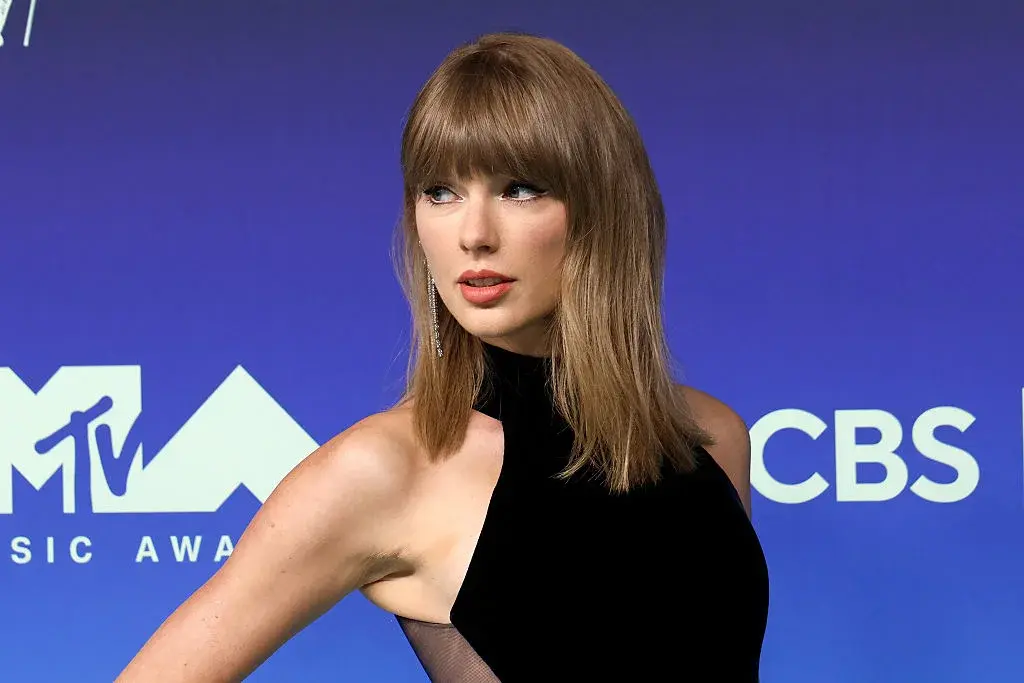
To maintain the illusion of genuine listener activity, Smith employed a variety of illicit tactics to create accounts, including the use of unauthorized bank card details. These automated bots engaged with the AI-generated tracks billions of times, triggering small royalty payouts for every “play” registered on the platforms. The sheer scale of this manipulation became evident when data revealed that Smith’s bot accounts generated 80.9 million streams on YouTube Music in a single period, significantly outpacing the reach of major artists like Taylor Swift.
The Music Industry Faces Significant Financial Impacts
The ripple effects of this fraud extended far beyond the targeted platforms, such as Amazon Music, Apple Music, Spotify, and YouTube Music. Because royalty pools are distributed based on a pro-rata model, every fraudulent stream directly siphoned revenue away from legitimate musicians and songwriters. By artificially inflating the stream counts of his AI-generated library, Smith effectively diluted the earnings of actual creators who rely on these platforms for their livelihood.
In March 2026, Smith entered a guilty plea regarding charges of conspiracy to commit wire fraud. Beyond the 18-month prison term, the court imposed two years of supervised release and mandated the repayment of $8,091,843.64. This ruling serves as a stark warning that the unauthorized use of automation to compromise digital marketplaces carries severe legal consequences. As the industry grapples with the rise of AI, stakeholders are now forced to evaluate whether current detection mechanisms are sufficient to protect the integrity of artist compensation.
Given the increasing prevalence of synthetic media in our daily lives, we want to hear your perspective on this issue. Do you believe that music streaming platforms are doing enough to differentiate between human-created art and AI-generated noise, or should stricter regulations be implemented to protect authentic creators?
Your comment has been submitted,
it will be published after approval.