
Fraunhofer ISE Develops High-Capacity Battery Cell Architecture


Researchers at the Fraunhofer Institute for Solar Energy Systems (ISE) have unveiled a breakthrough battery cell architecture that significantly enhances energy density by 10 to 15 percent. By redesigning the internal electrode structure, the team successfully increased energy storage capacity without adding weight or volume. This innovation, tested on lithium-ion, sodium-ion, and zinc-ion battery types, represents a major advancement in battery technology. By transitioning from thin layers to thicker 800-micrometer electrodes, the researchers optimized space for active materials, paving the way for more efficient and sustainable energy storage solutions in both industrial and commercial applications.
- The new architecture increases battery energy density by up to 15 percent by thickening electrode layers.
- Reduced current collector counts allow for greater active material capacity within the same physical footprint.
- The manufacturing process eliminates the use of toxic solvents and PFAS, promoting environmentally sustainable production.
- Lower production costs and simplified assembly lines enable small and medium-sized enterprises to manufacture batteries locally.
Battery Architecture Design Enhances Performance
The core of this innovation lies in the restructuring of electrode layers within the battery cell. Traditionally, lithium-ion batteries rely on numerous thin layers of anodes and cathodes. The Fraunhofer ISE team shifted this paradigm by increasing the thickness of electrode coatings from the standard 100-200 micrometers to 800 micrometers. 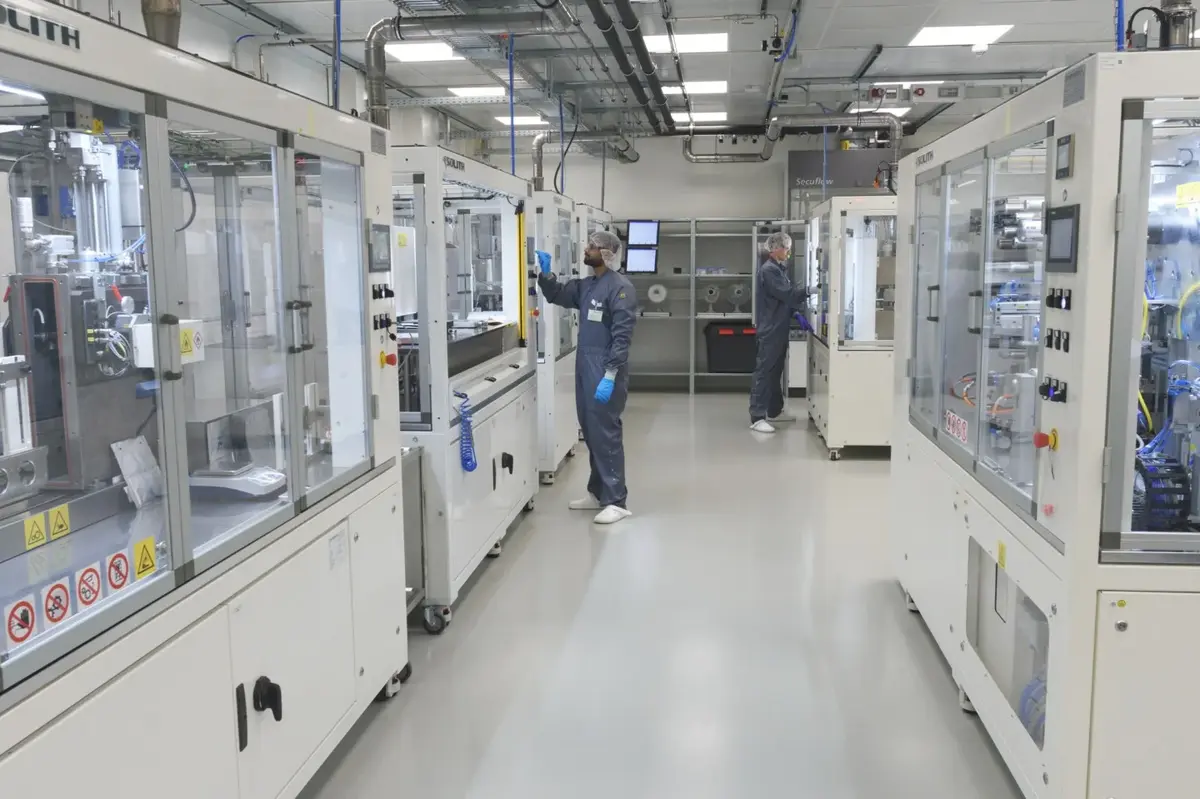
This structural change reduces the necessity for multiple current collectors, which occupy space that could otherwise be utilized for active energy-storing materials. Consequently, the cells can hold more energy while maintaining the same physical dimensions and weight. Laboratory tests on small-scale cells have already confirmed these performance gains, with prototype pouch cells successfully produced using standard semi-automated industrial assembly lines.
Production Processes Become More Sustainable
Beyond performance improvements, this new cell architecture offers significant advantages in manufacturing efficiency. The design facilitates a cleaner production model by removing the need for toxic solvents and PFAS chemicals. This shift not only benefits the environment but also simplifies the entire assembly process.
By reducing the complexity of the manufacturing line, the technology lowers initial capital investment requirements and ongoing operational expenses. This financial accessibility is particularly advantageous for smaller companies looking to establish domestic battery production facilities. Furthermore, the streamlined process enhances overall energy efficiency within the factory, contributing to lower long-term overhead costs. 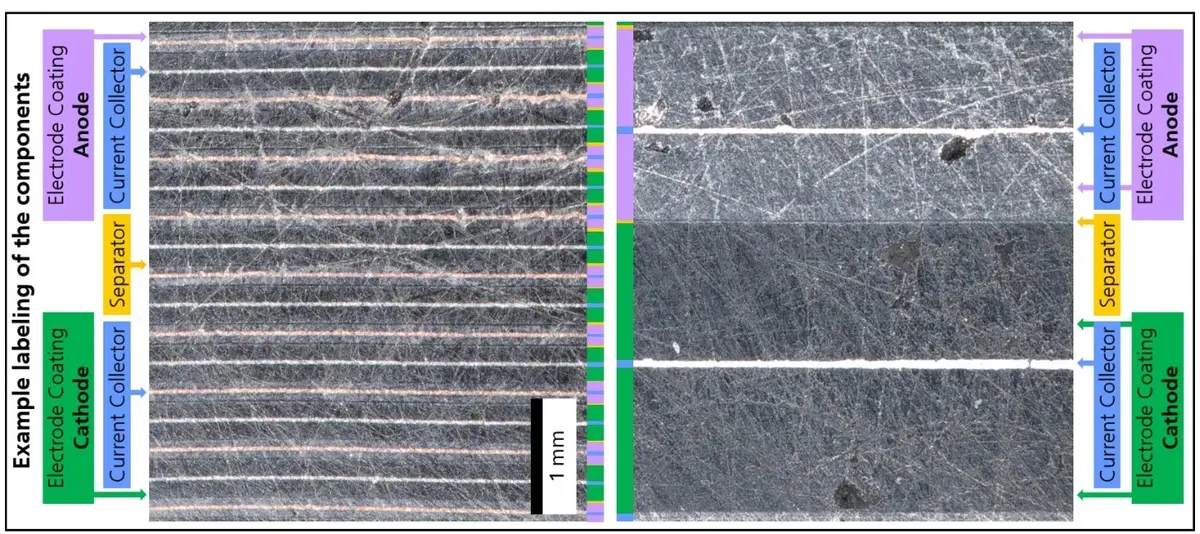
Industrial Scale Deployment Remains the Goal
The development team is now focused on the transition from laboratory prototypes to full-scale industrial production. Industry partner Helmut Hechinger noted that the technology is expected to deliver strong performance and cost benefits during the scaling and validation phases. If these milestones are met, the project will move toward commercialization.
There is a growing strategic interest in Germany, particularly in regions like Baden-Württemberg, to bolster local production of stationary energy storage systems. As the share of intermittent renewable energy sources like wind and solar continues to rise in national power grids, the demand for reliable and cost-effective storage solutions is accelerating. Researchers believe that this innovative cell architecture will play a pivotal role in meeting these future energy security goals.
As the global demand for sustainable energy storage continues to rise, we invite you to share your perspective on whether this simplified battery architecture could disrupt the current market. Please leave a comment below and let us know your thoughts on the future of local battery manufacturing.
Your comment has been submitted,
it will be published after approval.