
Tesla Renames Full Self-Driving Package in Turkey and Europe

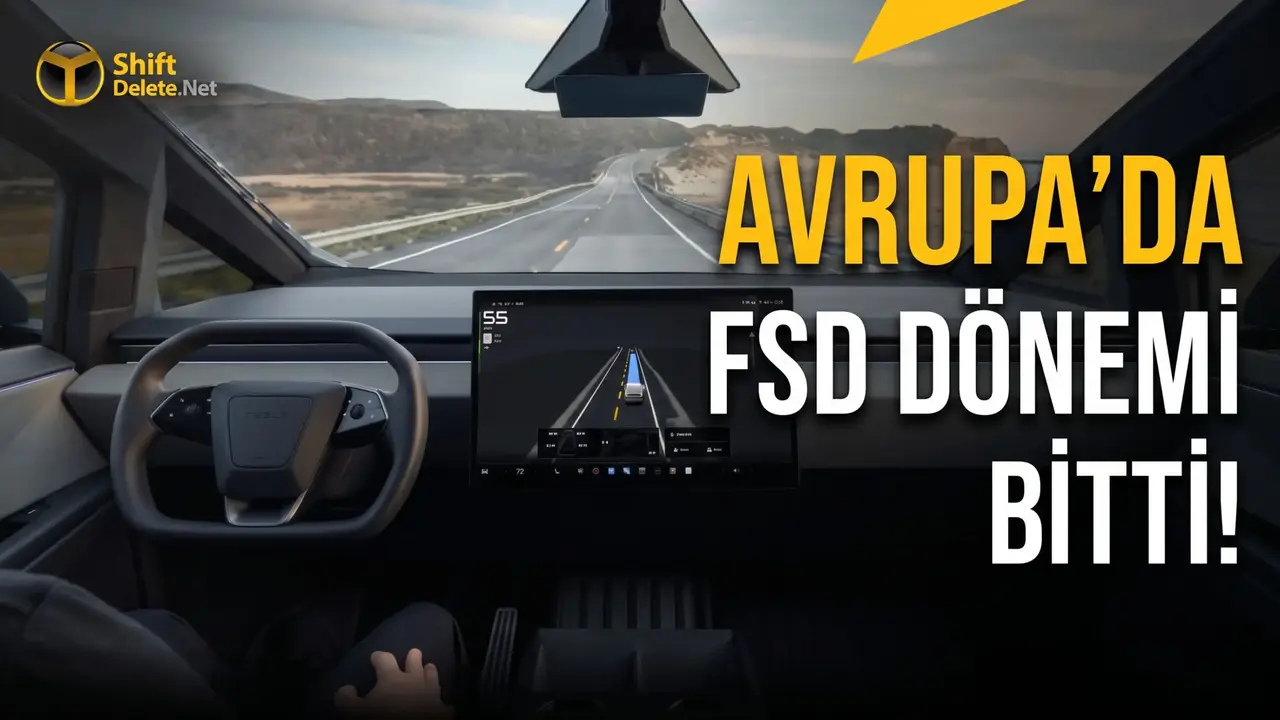
Tesla has implemented a significant rebranding strategy for its driver assistance software across Turkey and Europe, officially moving away from the controversial “Full Self-Driving” terminology. Moving forward, the package previously known as “Full Self-Driving Capability” will be marketed as “Tesla Assisted Driving Basic” on regional support pages. This strategic shift serves to align the company’s branding with stricter regulatory expectations in the European market, while the “Full Self-Driving” label remains active in the United States. Despite this nomenclature adjustment, the actual functionality and features provided within the software suite remain unchanged for vehicle owners.
- Tesla rebranded its driver assistance software to “Tesla Assisted Driving Basic” to comply with European regulatory demands.
- German authorities required the name change to prevent misleading drivers regarding autonomous capabilities.
- The European Union postponed a final decision on the software’s broader approval until at least December.
- The rebranding does not currently change the functional capabilities of the system in the Turkish market.
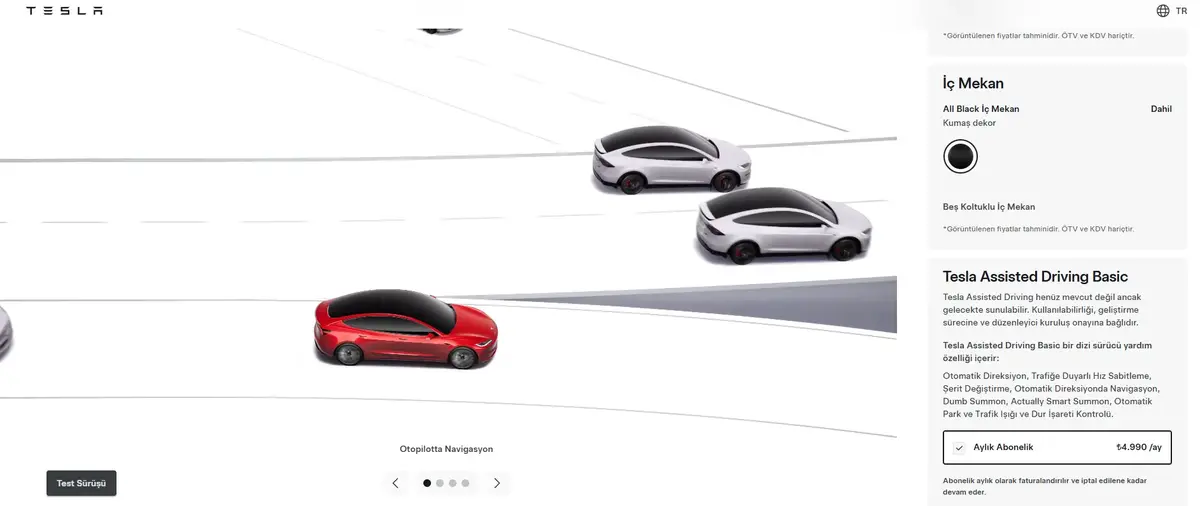
Tesla Defines Its Current Driver Assistance Tiers
The current architecture of Tesla’s driving support systems in Turkey consists of three distinct levels. The first is the standard Autopilot, which is included in every vehicle and offers Traffic-Aware Cruise Control alongside Autosteer functionality for marked lanes. The second tier, now labeled “Tesla Assisted Driving Basic,” acts as an optional package that provides advanced features such as automatic lane changing, Navigate on Autopilot, Auto Park, and the advanced “Actually Smart Summon” capability, which allows the car to navigate around obstacles to reach the driver. Finally, the third tier consists of free Active Safety Features, including emergency braking and collision warnings, standard on all units manufactured after September 2014.
German Regulators Impose Specific Operational Conditions
The decision to rename the software coincides with Tesla’s ongoing efforts to obtain regulatory approval for its FSD (Supervised) system across the European Union. Germany’s Ministry of Transport played a pivotal role in this transition by arguing that the term “Full Self-Driving” creates a false impression that motorists can safely remove their hands from the steering wheel. To secure German support for broader European approval, Tesla agreed to two primary conditions: rebranding the system as “Tesla Assisted Driving” and capping the system’s speed limit to no more than 10 percent above posted limits.
European Union Approval Remains Under Review
The path to full European implementation involves navigating complex bureaucratic procedures. While individual nations such as the Netherlands, Belgium, and Denmark have granted country-specific approvals for the FSD (Supervised) software, a comprehensive EU-wide rollout requires a consensus from at least 15 member states. A crucial vote originally scheduled for October faced delays until at least December due to concerns from France and Sweden regarding the software’s ability to exceed existing speed regulations.
Turkish Market Awaits Official Regulatory Decisions
For users in Turkey, this rebranding does not mean that the advanced FSD (Supervised) software has been activated locally; it simply reflects a global update to existing service naming conventions. Turkey generally aligns its vehicle type approval processes with European Union regulations and United Nations standards. While Tesla has reportedly submitted formal applications for FSD features in Turkey, authorities have yet to issue a final decision. The country may choose to wait for a unified EU ruling or follow the precedent set by early adopters like the Netherlands, though no concrete timeline currently exists.
Industry Experts Welcome the Transparent Labeling Approach
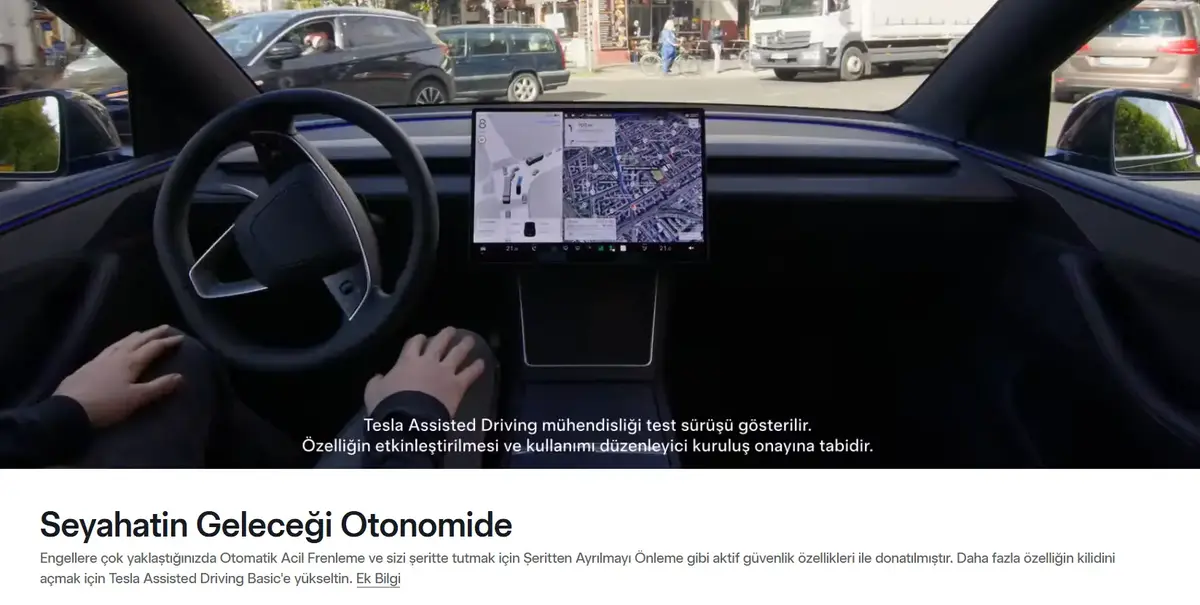
Industry analysts have long criticized the previous terminology for potentially misleading consumers into believing their vehicles were fully autonomous. By adopting “Tesla Assisted Driving Basic,” the company demonstrates a more transparent approach to describing its driver assistance capabilities. The primary focus now shifts to whether this modified system will match the performance levels seen in North America and how the European regulatory body will finally vote in the coming months.
How do you feel about the name change for Tesla’s driver assistance features, and do you think this will lead to faster regulatory approvals in your region? Share your thoughts in the comments section below.
Your comment has been submitted,
it will be published after approval.