
Apple Prioritizes iOS 27 Updates Over iOS 26 for Users


Apple has officially shifted its software update strategy, actively encouraging iPhone users to upgrade from iOS 26 to the latest iOS 27 operating system. This strategic change is now prominently displayed within the Software Update section of the Settings app on compatible devices. By restructuring the update interface, the company aims to ensure that users prioritize the most recent version of its mobile software, which was released on September 14. This shift simplifies the update process and highlights the importance of maintaining system integrity and accessing the latest features through the primary upgrade path provided by Apple.
- Apple now prominently features iOS 27 at the top of the software update menu to encourage immediate adoption.
- Older versions like iOS 26.7.1 have been relegated to a secondary section titled Also Available.
- The company continues to provide critical security patches for users who choose to remain on legacy iOS 26 versions.
- This interface modification aims to streamline the user experience and improve overall device performance through modern software.
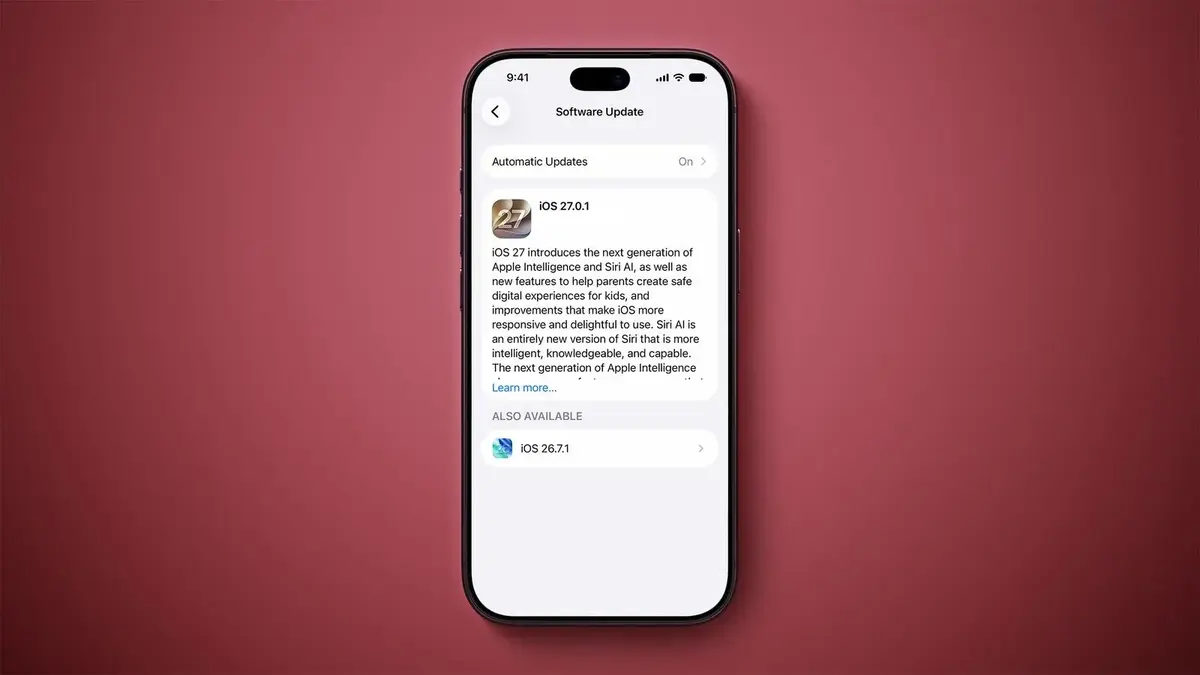
Update Interface Priorities are Changing
iPhone users navigating to Settings, General, and Software Update will notice that iOS 27.0.1 is now positioned as the primary recommended update. Previously, the interface gave equal or primary visibility to iOS 26.7 and iOS 26.7.1, but these versions have been moved to an “Also Available” category located at the bottom of the screen. This design choice is intended to guide users toward the most current software environment without removing access to previous iterations entirely.
The transition reflects Apple’s broader goal of unifying its user base on the newest platform. By making the latest version the focal point, the company reduces confusion for non-technical users who may otherwise overlook significant feature releases or performance enhancements. The new hierarchy ensures that the most recent advancements in system stability and interface design are immediately visible to anyone checking for updates.
Security and Software Support are Continuing
While Apple is clearly pushing for mass adoption of iOS 27, the update remains optional for those who prefer to stay on their current configuration. This approach allows users to manage their software cycles according to their personal preference or compatibility requirements with specific applications. However, the company maintains that staying updated is the most effective way to secure a device against evolving digital threats.
For those who are not yet ready to transition to the latest major release, Apple continues to support older devices with essential security patches. Specifically, the company recommends that users who remain on the previous operating system install the iOS 26.7.1 update to mitigate known vulnerabilities. This dual-track support ensures that while the focus is on newer technology, the security of the broader user base remains a primary concern for the company.
As of now, Apple has not disclosed specific adoption metrics regarding the transition speed from iOS 26 to iOS 27. Industry analysts expect that more data will emerge in the coming months, offering a clearer picture of how quickly the user base is migrating to the new platform. These software updates are fundamental to the longevity of iPhone hardware, as they directly impact battery efficiency, system fluidity, and overall security protocols.
Have you already made the jump to iOS 27, or are you waiting for more stability updates before leaving iOS 26 behind? Share your thoughts on the new interface and your experience with the latest software in the comments section below.
Your comment has been submitted,
it will be published after approval.