
Donald Trump Declares Artificial Intelligence Terminology Obsolete

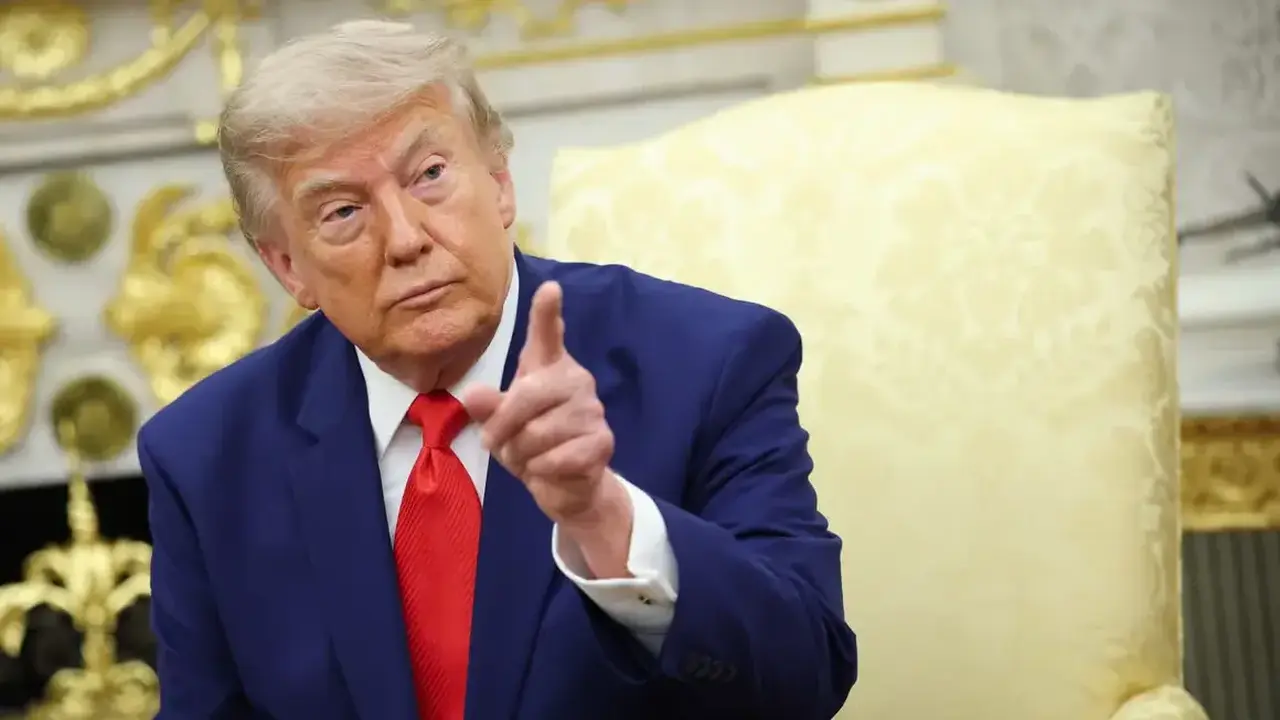
Former US President Donald Trump has initiated a significant shift in the technology sector by publicly rejecting the widely used term “Artificial Intelligence.” In a series of statements posted on his Truth Social platform, Trump announced that the industry must transition to the phrase “Super Intelligence.” He further escalated the situation by explicitly labeling individuals and organizations that continue to use the traditional terminology as “enemies.” This directive, which follows a period of internal polling conducted by the former president, signals a potential overhaul of official government language and reflects an aggressive effort to reshape the narrative surrounding technological advancement in the United States.
- Donald Trump mandates a transition from artificial intelligence to the term super intelligence across all sectors.
- The administration identifies entities failing to adopt this new terminology as adversaries.
- Major technology corporations including Tesla have begun aligning their internal communications with the updated nomenclature.
- The White House plans to institutionalize the use of super intelligence in all official government documentation.
Trump Conducts Public Surveys to Determine New Terminology
The decision to abandon the term artificial intelligence stems from Trump’s belief that the phrase fails to capture the true magnitude and power of modern computing advancements. According to his recent social media commentary, he views the conventional terminology as outdated and insufficient for the current era of innovation. To solidify this shift, he organized a survey among his followers on Truth Social, offering several alternatives such as “Superior Intelligence” and “Supreme Intelligence.” Despite these options, Trump ultimately selected “Super Intelligence” as the definitive term to describe these complex systems. This move underscores a broader strategic goal to assert influence over how emerging technologies are defined and perceived by the public.
Technology Industry Leaders Start Adopting the New Language
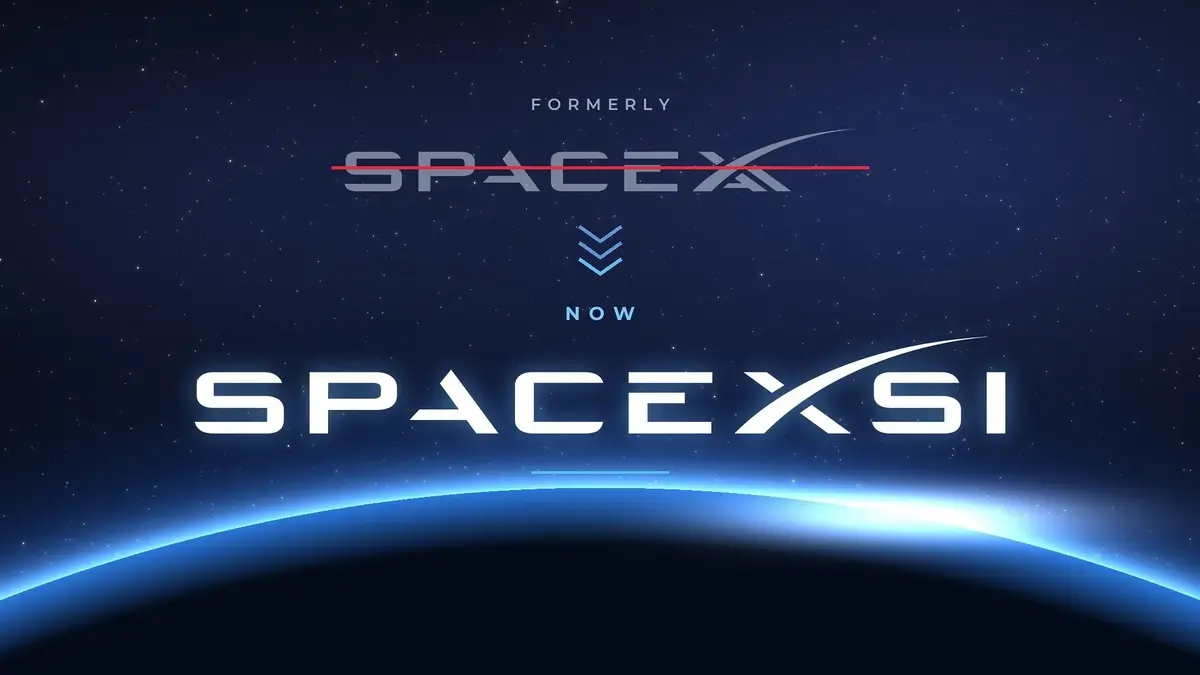
The impact of this declaration has already started to ripple through the technology sector. Several industry giants, most notably Tesla, have signaled their intent to transition to the “Super Intelligence” terminology in their public statements and technical reports. This rapid adaptation suggests that corporate entities are wary of the potential regulatory consequences associated with defying the former president’s linguistic standards. Industry analysts suggest that this shift is not merely cosmetic; it represents a strategic alignment between the private sector and the political vision of the former administration, setting a precedent for how businesses may interact with future government policies regarding advanced software systems.
Government Language Policies Undergo a Major Transformation
The potential adoption of this terminology by the White House represents a fundamental change in the government’s approach to technology oversight. Experts in the field indicate that this reclassification could have lasting effects on how the state regulates autonomous vehicles, national defense systems, and high-speed data processing units. By rendering the term artificial intelligence obsolete, the administration forces all stakeholders to re-evaluate their compliance strategies and public relations messaging. As this debate continues to unfold, it serves as a clear indication of how political rhetoric can exert profound pressure on the evolution of technical language and industrial standards in the modern digital age.
How do you feel about the transition from artificial intelligence to super intelligence in official discourse? Please share your thoughts on whether this terminology change will impact future technological development in the comments section below.
Your comment has been submitted,
it will be published after approval.