
Syntropia Launches DuoSolis Hybrid Solar Panel for Electricity and Heat

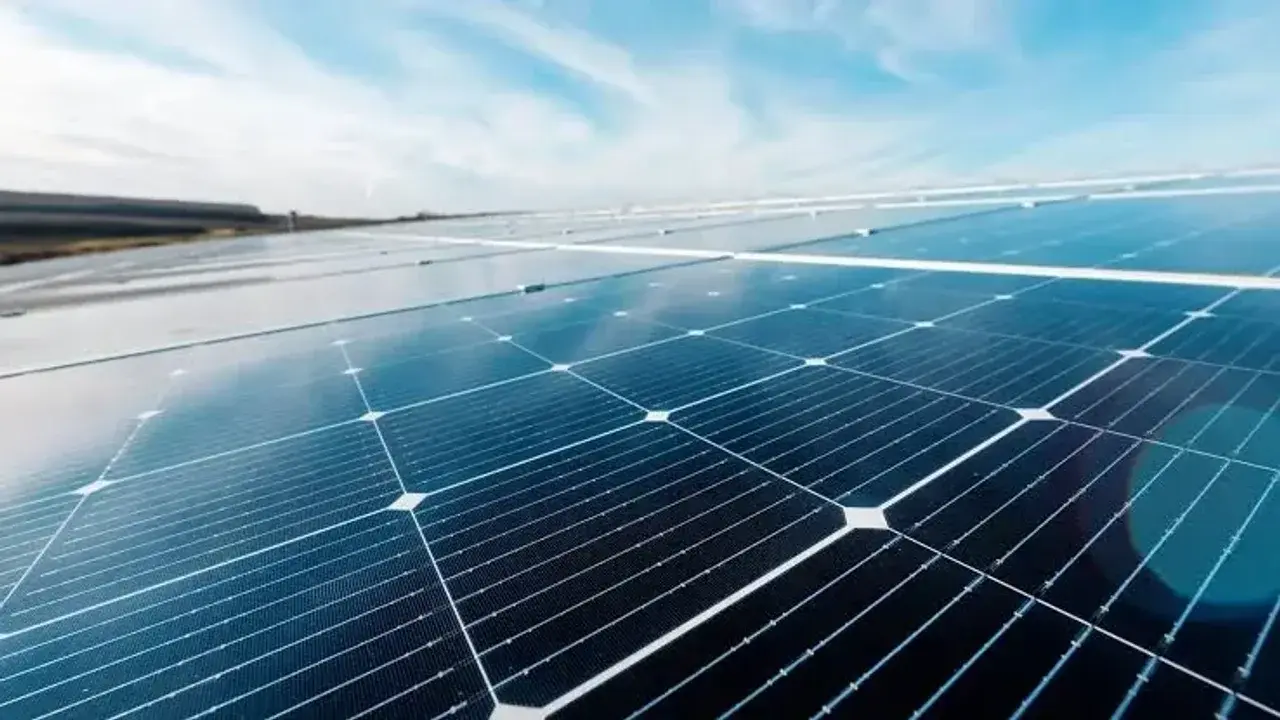
Italian startup Syntropia has officially introduced its groundbreaking hybrid solar panel, DuoSolis, marking a significant advancement in renewable energy technology. Unveiled recently, this innovative system is capable of generating both electricity and hot water simultaneously from a single surface area. By integrating a micro-channeled aluminum heat sink behind photovoltaic cells, the device captures excess thermal energy that would otherwise diminish the electrical efficiency of standard panels. This dual-action process not only provides a reliable source of hot water for domestic or industrial use but also cools the cells to ensure superior electrical performance compared to conventional solar installations.
- The DuoSolis system achieves an impressive 66.8 percent total energy conversion efficiency by combining electrical and thermal outputs.
- Operational testing confirmed a 3.1 percent increase in daily electricity production due to the cooling effect of the integrated heat sink.
- The hybrid panel is designed for versatile installation on sloped roofs, flat surfaces, and building facades.
- Syntropia provides a 30-year warranty covering both product integrity and linear power output for all units.
During rigorous performance evaluations, the DuoSolis unit demonstrated an electrical conversion efficiency of 20.1 percent, outperforming standard reference panels which remained at 19.5 percent. Beyond electrical gains, the thermal component proved exceptionally effective, collecting 9.07 kWh of thermal energy. This output was sufficient to raise the temperature of a 200-liter water tank from 35 degrees to approximately 73 degrees Celsius. The combined energy conversion efficiency of 66.8 percent highlights the potential for these hybrid units to maximize utility in residential and commercial energy architectures. 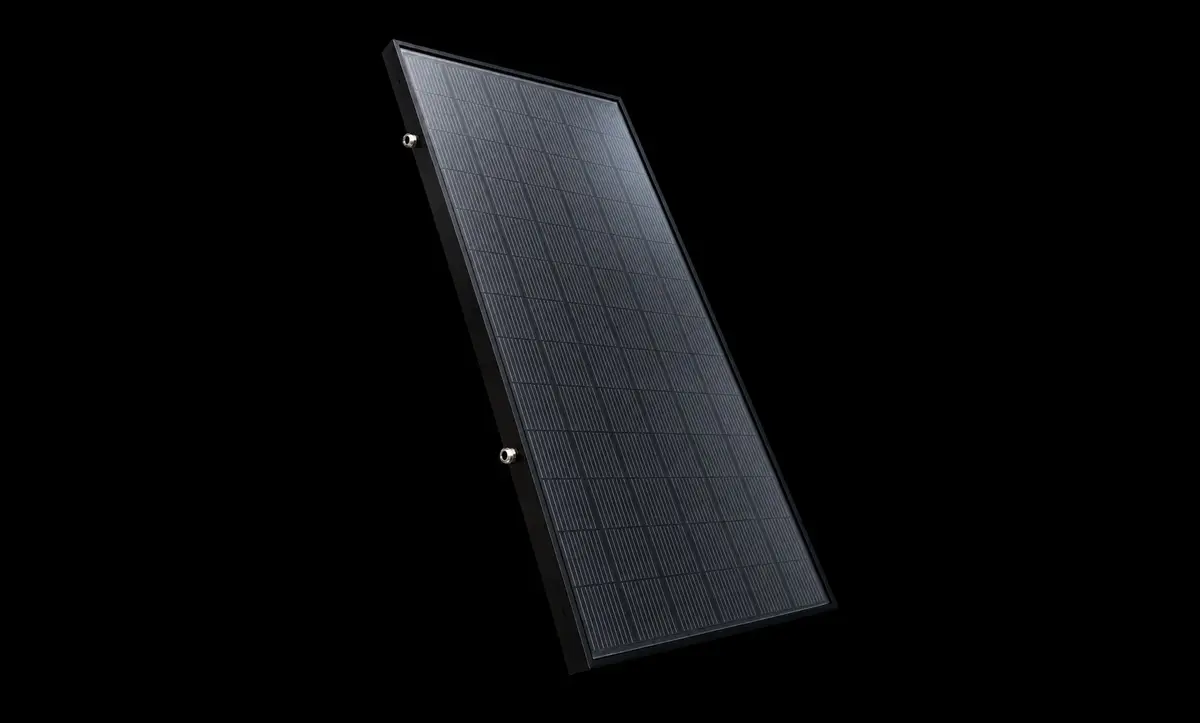
Technical Specifications Provide High Performance
According to the technical documentation provided by Syntropia, the DuoSolis panel offers a nominal electrical output of 535 W and a thermal capacity of 1.4 kW. When both outputs are aggregated, the system achieves a total nominal power rating of 1,940 W. The company reports that average total conversion efficiency often exceeds 70 percent, with potential peaks reaching up to 85 percent when integrated with high-performance multi-energy heat pumps. 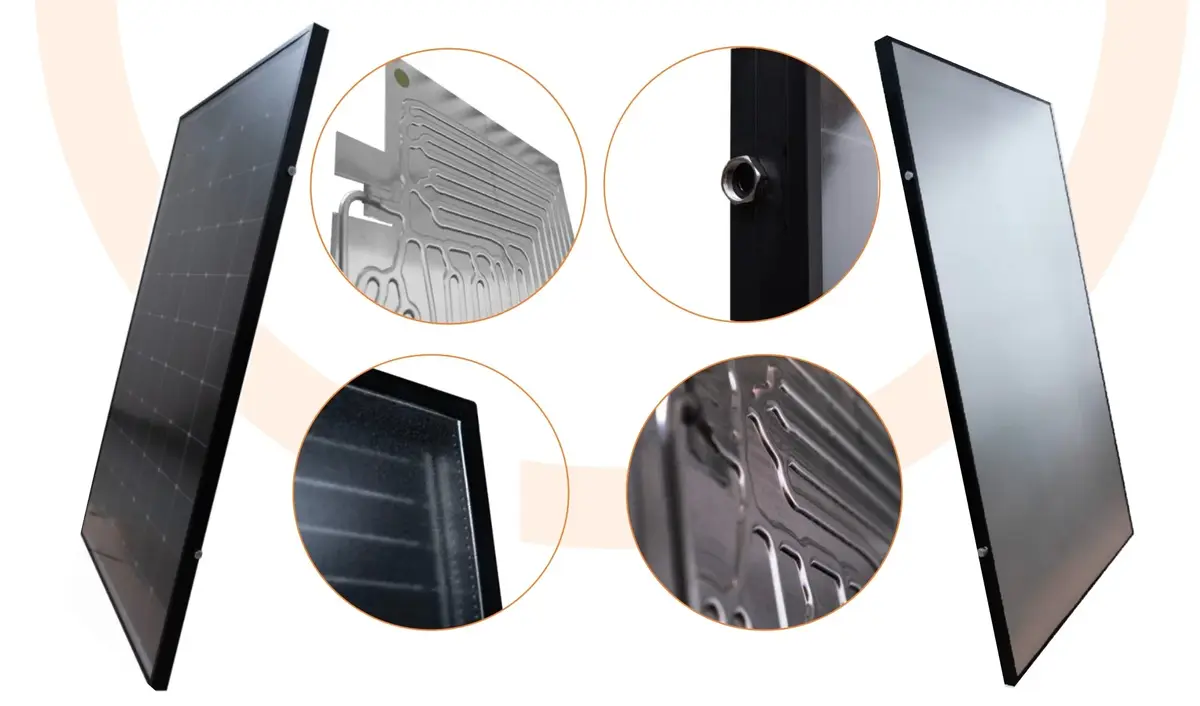
Measuring 2.06 meters in length, 1.13 meters in width, and 5 centimeters in thickness, the panel maintains a manageable weight of 45 kilograms. Its design ensures compatibility with existing solar mounting hardware, allowing for seamless integration into diverse building types. The manufacturer emphasizes that the system acts as a flexible solution that can work alongside conventional solar setups to bolster overall building energy autonomy.
Future Developments Enhance System Capabilities
Syntropia is currently advancing its energy storage research, focusing on methods to store excess thermal energy or transfer it into the ground for later use. This initiative aims to address heating demands during periods of low solar irradiance, effectively turning the panel into a long-term thermal battery. Furthermore, the company is developing the DuoSolis+ model, which seeks to streamline installation procedures and refine the overall performance metrics of the hybrid technology.
By prioritizing the integration of heat pumps and geothermal systems, Syntropia intends to create a holistic energy ecosystem for modern buildings. This multi-faceted approach to energy production represents a critical step forward in the transition toward sustainable and efficient residential power management.
Given the increasing need for energy independence, do you believe that adopting dual-purpose hybrid solar technology is a practical solution for your own home, or do you prefer keeping electricity and heating systems separate? Share your thoughts in the comments below.
Your comment has been submitted,
it will be published after approval.