
Intel Raptor Lake Next Processors Expected to Launch in 2027

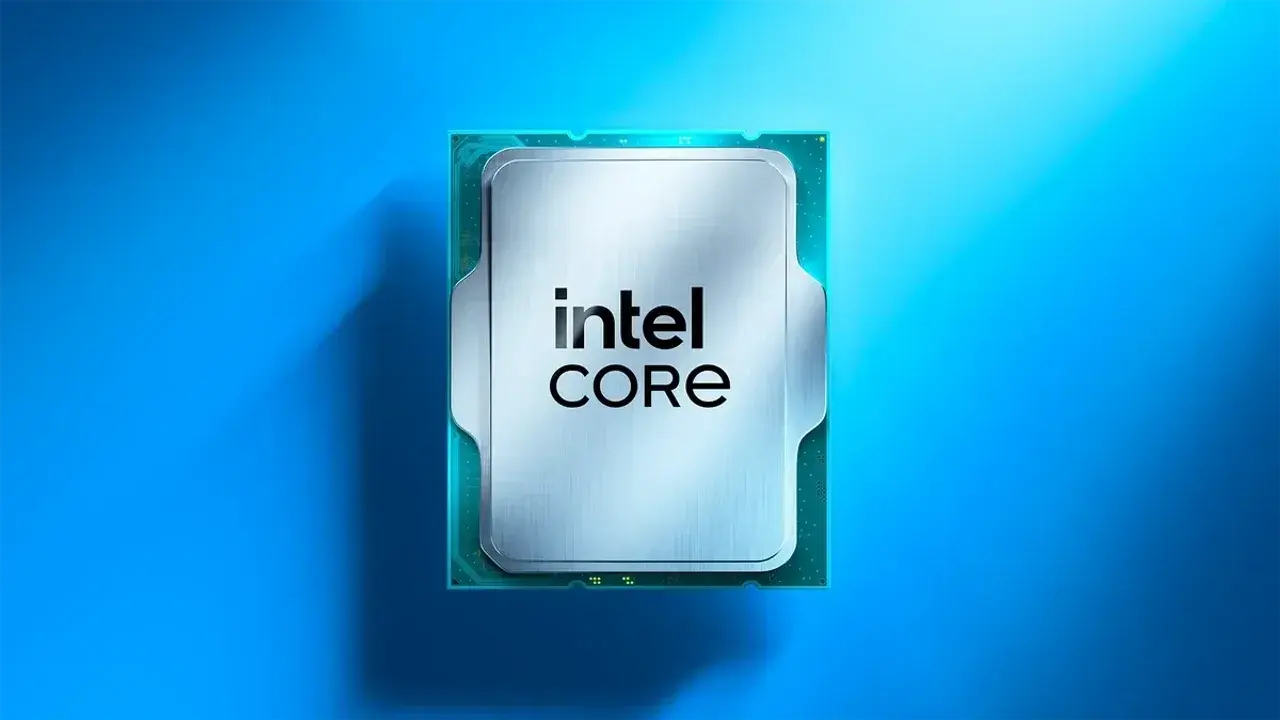
Gigabyte has officially accelerated its preparations for the upcoming Intel Raptor Lake Next processor series by releasing comprehensive BIOS updates for its existing motherboard lineup. This strategic move ensures that current hardware, specifically boards featuring B760 and H610 chipsets, will maintain compatibility with these future processors scheduled for a 2027 release. By enabling support for next-generation architecture on existing LGA 1700 platforms, Gigabyte aims to extend the lifecycle of current systems while allowing users to transition to new technology without the immediate necessity of upgrading their entire motherboard infrastructure.
- Gigabyte has initiated BIOS updates for B760 and H610 motherboards to ensure compatibility with upcoming Intel processors.
- The Intel Raptor Lake Next series is officially projected to enter the consumer market in early 2027.
- The extended use of the LGA 1700 socket allows for cross-generational support for both DDR4 and DDR5 memory technologies.
This proactive approach by Gigabyte serves as a significant benefit for PC enthusiasts and professional users who prioritize system longevity. The decision to support Intel Raptor Lake Next processors on existing boards signifies a shift toward more sustainable hardware consumption patterns. By minimizing the requirement for total platform overhauls, the manufacturer is effectively lowering the financial barrier to entry for users looking to maximize their processing power in the coming years.
BIOS Updates Ensure Future Processor Compatibility
The core of this transition lies in the updated firmware provided by Gigabyte.  These BIOS updates are essential for the motherboard to recognize and calibrate the power delivery and performance parameters required by the newer silicon. Because the LGA 1700 socket remains the foundation for this compatibility, users do not need to perform complex hardware swaps to gain access to the anticipated performance gains of the 2027 architecture.
Furthermore, the support for both DDR4 and DDR5 memory standards provides users with significant flexibility. This hybrid support ensures that individuals currently invested in high-speed DDR4 kits are not forced into an immediate upgrade of their memory modules, thereby simplifying the overall system optimization process. This versatility is expected to be a major selling point for those considering long-term upgrade paths.
Hardware Lifecycle Management Becomes More Efficient
The tech industry frequently faces criticism regarding the rapid obsolescence of hardware components. Gigabyte’s decision to bridge the gap between current B760/H610 motherboards and the 2027 processor lineup addresses these concerns directly. By maintaining the LGA 1700 ecosystem, the company is fostering a more sustainable hardware environment where investments in motherboards retain their value for a longer duration.
Technical stability remains a priority during these updates. Users are encouraged to source the latest BIOS versions exclusively from official manufacturer support pages to avoid potential compatibility issues. As the 2027 release window approaches, it is expected that these firmware packages will receive further optimizations to ensure the new processors function at peak efficiency from the moment they are installed.
This development offers a clear roadmap for system builders. By planning their hardware configurations now, users can leverage existing infrastructure while preparing for the inevitable performance jump promised by the Raptor Lake Next generation. Such long-term planning tools are vital for maintaining competitive performance in modern computing.
We would love to hear your thoughts on this development; do you think maintaining the LGA 1700 platform until 2027 is a smart move for your future upgrade plans, or were you hoping for a total socket overhaul? Share your opinions in the comments section below.
Your comment has been submitted,
it will be published after approval.