
ASELSAN Launches GÖKALP to Counter Emerging Drone Threats

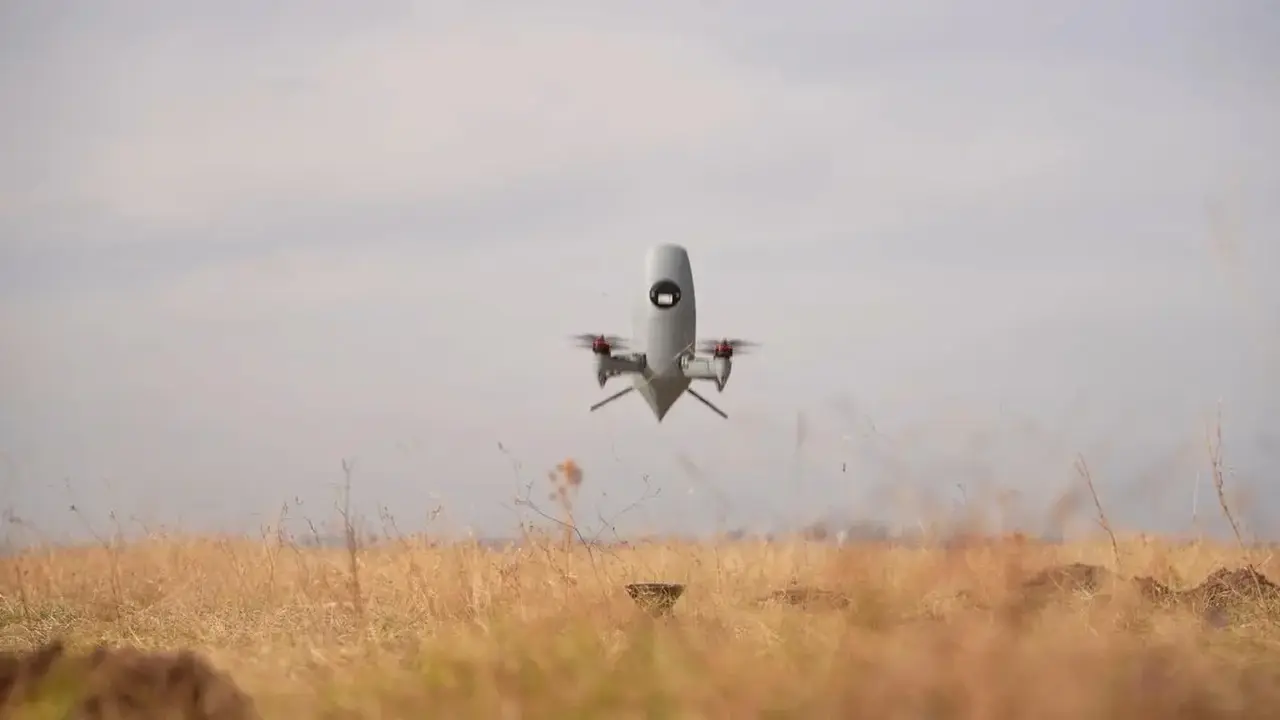
Turkish defense giant ASELSAN has officially unveiled the GÖKALP Unmanned Aerial Vehicle (UAV) Interception System, a sophisticated solution designed to neutralize the growing threat posed by mini and micro drones in modern warfare. During live-fire tests conducted at the Oğulbey Technology Base, the system demonstrated its capability to destroy hostile drones through a direct hit-to-kill method. By integrating high-mobility vehicle platforms with autonomous target tracking, GÖKALP offers a cost-effective shield that addresses the vulnerabilities of traditional air defense systems against swarm attacks. This innovation marks a significant advancement in Turkey’s indigenous defense capabilities, providing security forces with an agile, high-precision tool to safeguard borders and critical infrastructure.
- The GÖKALP system utilizes a hit-to-kill mechanism to neutralize hostile drones through direct physical collision.
- AURA radar and DRONEDEF software enable the autonomous detection, tracking, and interception of aerial threats.
- The modular design allows the system to be mounted on tactical wheeled armored vehicles for enhanced battlefield mobility.
- This solution provides a cost-efficient alternative to traditional air defense missiles when countering low-cost kamikaze drone swarms.
Conventional Air Defense Systems Face New Challenges
The rise of inexpensive, commercially available drones and kamikaze systems has fundamentally altered modern combat dynamics. Military forces worldwide have realized that utilizing high-cost, long-range air defense missiles to neutralize inexpensive, small-scale drone threats is economically unsustainable. ASELSAN has addressed this gap by shifting the focus toward a hunter-drone concept. The GÖKALP system operates by detecting incoming threats and deploying a dedicated interceptor drone that maneuvers autonomously to strike the target mid-air, effectively eliminating the threat without the need for expensive kinetic ammunition.
Integrated Technologies Ensure Battlefield Superiority
The GÖKALP system is comprised of several interconnected components that function in complete synchronization. The AURA radar serves as the primary sensor, specifically optimized to detect small targets with low radar cross-sections at low altitudes. Once detected, electro-optical systems provide visual verification, ensuring the target is tracked continuously regardless of daylight conditions. The DRONEDEF command and control software then analyzes the threat’s velocity and trajectory to calculate the most efficient interception path, allowing the E1 interceptor drone to navigate autonomously and execute the final strike.
Strategic Flexibility Enhances Operational Security
One of the primary advantages of the GÖKALP system is its modular and mobile architecture. By being fully integrated into tactical ground vehicles, the system provides a protective umbrella that can move alongside military convoys or be rapidly deployed to defend critical facilities and border lines. Because the system is built entirely upon domestic engineering—from its sophisticated radar hardware to its proprietary control algorithms—it ensures that Turkish security forces maintain full control over their defensive posture without reliance on foreign technology.
Future Prospects for Aerial Defense
The successful completion of the demo phase at the Oğulbey Technology Base signifies that GÖKALP is ready for active field deployment. As modern conflicts continue to feature increased reliance on autonomous systems, having a reliable, cost-effective, and highly mobile counter-UAV solution is essential for maintaining air superiority. ASELSAN’s latest innovation is expected to become a key asset in the Turkish military inventory, providing a powerful deterrent against the evolving swarm tactics that currently challenge conventional defense strategies.
What are your thoughts on the effectiveness of hunter-drone technology against modern swarm threats? We invite you to share your views in the comments section below.
Your comment has been submitted,
it will be published after approval.